
具体描述
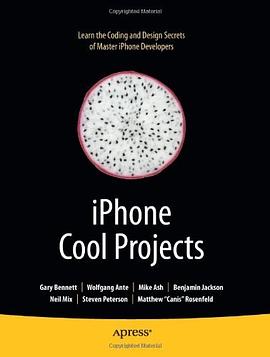
The iPhone and iPod touch have provided all software developers with a level playing field--developers working alone have the same access to consumers as multinational software publishers. Very cool indeed! To make your application stand out from the crowd, though, it has to have that something extra. You must learn the skills to take your apps from being App Store filler to download chart-topping blockbusters. Developers with years of experience helped write this book. Spend some time understanding their code and why they took the approach they did. You will find the writing, illustrations, code, and sample applications second to none. No matter what type of application you are writing, you will find something in this book to help you make your app that little bit cooler. The book opens with Wolfgang Ante, the developer behind the Frenzic puzzle game, showing how timers, animation, and intelligence are used to make game play engaging. It moves on to Rogue Amoeba's Mike Ash explaining how to design a network protocol using UDP, and demonstrating its use in a peer-to-peer application--a topic not normally for the faint of heart, but explained here in a way that makes sense to mere mortals. Gary Bennett then covers the important task of multithreading. Multithreading can be used to keep the user interface responsive while working on other tasks in the background. Gary demonstrates how to do this and highlights traps to avoid along the way. Next up, Canis Lupus (aka Matthew Rosenfeld) describes the development of the Keynote-controlling application Stage Hand, how the user interface has evolved, and the lessons he has learned from that experience. Benjamin Jackson then introduces two open source libraries: cocos2d, for 2D gaming; and Chipmunk, for rigid body physics (think "collisions"). He describes the development of Arcade Hockey, an air hockey game, and explains some of the code used for this. Neil Mix of Pandora Radio reveals the science behind processing streaming audio. How do you debug what you can't see? Neil guides you through the toughest challenges, sharing his experience of what works and what to watch out for when working with audio. Finally, Steven Peterson demonstrates a comprehensive integration of iPhone technologies. He weaves Core Location, networking, XML, XPath, and SQLite into a solid and very useful application. Software development can be hard work. Introductory books lay the foundation, but it can be challenging to understand where to go next. This book shows some of the pieces that can be brought together to make complete, cool applications. What you'll learn * Add multitouch controls to your applications. * Detect motion for spatial application interaction. * Build applications that use both wi-fi and cellular connections. * Understand and use GPS information for geo-location. * Use the built-in microphone and play sounds and alerts. * Optimize your use of limited screen real estate. Who this book is for All iPhone application developers with any level of experience or coming from any development platform Table of Contents * Designing a Simple, Frenzic-Style Puzzle Game * Mike Ash's Deep Dive Into Peer-to-Peer Networking * Doing Several Things at Once: Performance Enhancements with Threading * All Fingers and Thumbs: Multitouch Interface Design and Implementation * Physics, Sprites, and Animation with the cocos2d-iPhone Framework * Serious Streaming Audio the Pandora Radio Way * Going the Routesy Way with Core Location, XML, and SQLite
作者简介
目录信息
读后感
用户评价
拿到书后,我迫不及待地翻阅了目录。说实话,有些部分的标题让我感到一丝困惑,比如关于“iBeacon 技术的趣味应用探索”那一章,它似乎更偏向于商业场景的部署而非个人玩家的乐趣。我本以为会有更多关于硬件黑客(Hardware Hacking)的章节,比如如何通过 Lightning 接口进行低级通信,或者利用第三方配件扩展 iPhone 的功能边界。毕竟,“Cool Projects”这个词本身就带有强烈的实验性和前沿性。我更希望看到的是对开源社区中那些令人拍案叫绝的 iOS 项目的深度剖析,比如那些挑战了苹果设计规范,但又极其实用的工具。例如,如何通过越狱(当然,我知道出版物通常不会公开讨论这个,但一点点暗示或原理探讨会很吸引人)或者利用企业签名绕过限制,来安装一些非 App Store 上的强大工具。这本书似乎在安全和易用性之间走了一条比较保守的路线,这对于追求极致性能和个性化的用户来说,可能有点差强人意。我希望看到的是那种让人拍案而起的“哇塞,原来还能这么玩!”的瞬间,而不是循规蹈矩的教程。
评分总的来说,这本书更像是一本精心制作的“创意启发手册”,而不是一本“从零到一的实战指南”。它成功地激发了我对 iPhone 潜力的重新认识,让我意识到它不仅仅是一个通信工具,更是一个强大的移动计算平台。我读完后,对许多新技术的名词有了更直观的理解,比如 Metal 图形渲染管线的工作原理,以及 Core Location 的精度调校技巧。但是,对于一个希望快速落地一个具体、有商业价值或者解决日常痛点的项目的读者来说,这本书的深度略显不足。它提供了漂亮的“蛋糕模型”,但制作蛋糕的“烘焙配方”和“烤箱温度控制秘诀”则需要读者自己去更专业的文档和社区中摸索。如果书名能更贴切一些,比如《iPhone 趣味实验集锦》,我可能会有不同的期待和评价。它是一本合格的入门读物,但在“Cool Projects”所暗示的深度和颠覆性上,仍有提升的空间。
评分这本书的插图和代码示例的质量绝对是顶级的,这一点我必须承认。排版清晰,代码块的颜色区分非常到位,即便是复杂的异步处理逻辑,看起来也不会让人感到眼花缭乱。作者在解释概念时,采用了大量生动的比喻,这对于初次接触某些高级框架的读者来说,无疑降低了学习曲线。比如,他对“Combine 框架”的解释,用了一个非常形象的“水管系统”来比喻数据流的转换和订阅,这比官方文档冷冰冰的定义要人性化得多。然而,在项目实用性方面,我感觉稍微有点用力过猛地倾向于“演示效果”而非“实际解决问题”。很多项目,比如那个“基于面部识别的宠物喂食计时器”,虽然技术上很炫酷,但对于我这种养猫的上班族来说,一个简单的智能插座就能解决的问题,为什么要动用 iPhone 的全部算力去实现一个更复杂的版本呢?我更希望看到的是,如何将 iPhone 变成一个全能的移动工作站,比如如何用它来高效地管理和编辑大型媒体文件,或者构建一个能与树莓派无缝协作的物联网中枢。
评分这本书的封面设计简直是一场视觉盛宴,那种鲜明的色彩搭配和充满未来感的排版,一下子就抓住了我的眼球。我是一个重度苹果产品的爱好者,从第一代 iPod 到最新的 iPhone 15 Pro Max,家里的 Apple 设备能摆满一个小柜子。所以,当我看到这本书名时,内心那个“搞点新花样”的小火苗立刻就燃起来了。我期待着能找到一些真正“酷”的项目,那种能让我炫耀给那些只会用手机拍照和刷社交媒体的朋友看的东西。想象一下,能用我的 iPhone 驱动一个自制的机器人,或者搭建一个基于 iOS 平台的家庭自动化系统,这简直是科技宅的终极梦想。我希望能看到一些深入底层的代码解析,不仅仅是拖拽式的应用构建,而是真正能让我理解 Swift 语言的精妙之处,以及如何巧妙地利用 Core ML 或 ARKit 来实现一些令人惊叹的功能。如果书里能包含一些关于如何优化电池续航的黑科技设置,或者如何挖掘出 iPhone 隐藏的开发者模式,那就更完美了。这本书的潜力是巨大的,它应该是一本能让普通用户变身“果粉极客”的秘密武器,而不是一本停留在表面功能的说明手册。
评分我尝试跟着书中的一个项目——“增强现实(AR)环境下的室内导航系统”——进行实操。按照步骤,我顺利地部署了标记点,并成功在屏幕上看到了虚拟标签。这一部分的体验非常顺畅,ARKit 的强大性能在书本的引导下展现得淋漓尽致。但是,当我试图将这个系统扩展到我家客厅的复杂光照和家具布局中时,问题出现了。书中的范例场景过于理想化,光照均匀,遮挡物很少。当我在现实世界的复杂环境中进行测试时,追踪的稳定性明显下降,虚拟物体开始漂移,书中的解决方案似乎没有考虑到这种“野外生存”的复杂情况。我期待的是,书中能提供一些专门针对“复杂环境下的鲁棒性优化”的章节,比如如何使用传感器融合技术来弥补视觉定位的不足,或者如何处理因运动模糊导致的识别失败。这种从书本的“实验室”环境过渡到真实世界的“战场”时遇到的鸿沟,是很多技术书籍往往忽略的关键环节。
评分 评分 评分 评分 评分