
具体描述
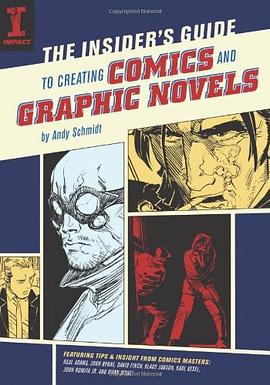
From the creative minds behind your favorite modern-day comics ...In this unprecedented, behind-the-scenes guide, former Marvel editor and current IDW senior editor Andy Schmidt and his superstar industry friends give you the inside track on creating engaging, professional-looking comic books.Written for upcoming creative stars and comic book enthusiasts, The Insider's Guide to Comics and Graphic Novels covers the entire creative process from beginning to end, from fine-tuning a script to the nuances of camera angles, costume design and lettering. You'll learn not only how to emulate a camera pan, hit 'em with a splash page and shift into slow motion, but also WHEN and WHY to dip into that bag of graphic tricks for maximum impact.The real-world guide to creating great comics!Profiles and insights from John Romita, Jr., Neal Adams, Gene Ha, David Finch and John ByrneProfessional advice from top talents in the business, including writers Brian Michael Bendis, Geoff Johns and Tom DeFalco; inkers Klaus Janson, Karl Kesel and Mike Perkins; colorist Chris Sotomayor; and letterer Chris EliopoulosExpert instruction on every element of the creative process - writing, drawing, inking, coloring, page layout and scene design - and how they all work together
作者简介
Product Description
"There's more to dynamic storytelling than lighting tricks and breaking panels. Mostly, it comes from the heart and gut. The absolute refusal to let anything go onto the page without knowing why it goes onto the page and how it will affect readers."
From the creative minds behind your favorite modern-day comics ...
In this unprecedented, behind-the-scenes guide, former Marvel editor and current IDW senior editor Andy Schmidt and his superstar industry friends give you the inside track on creating engaging, professional-looking comic books.
Written for upcoming creative stars and comic book enthusiasts, The Insider's Guide to Comics and Graphic Novels covers the entire creative process from beginning to end, from fine-tuning a script to the nuances of camera angles, costume design and lettering. You'll learn not only how to emulate a camera pan, hit `em with a splash page and shift into slow motion, but also WHEN and WHY to dip into that bag of graphic tricks for maximum impact.
The real-world guide to creating great comics!
* Profiles and insights from John Romita, Jr., Neal Adams, Gene Ha, David Finch and John Byrne
* Professional advice from top talents in the business, including writers Brian Michael Bendis, Geoff Johns and Tom DeFalco; inkers Klaus Janson, Karl Kesel and Mike Perkins; colorist Chris Sotomayor; and letterer Chris Eliopoulos
* Expert instruction on every element of the creative process--writing, drawing, inking, coloring, page layout and scene design--and how they all work together
About the Author
During his five-year tenure with Marvel Comics, Andy Schmidt served as editor with many high-profile creators on hundreds of projects such as those for highly successful writer and IMPACT author Peter David. Schmidt’s credits include (but are not limited to) the following properties: Alias, Avengers, Captain America, Captain Marvel, Fantastic Four, Spider-Man, Incredible Hulk, JLA/Avengers, Marvel Universe, Wolverine, X-Men. He has also been a contributor to Wizard: The Comics Magazine’s “Basic Training” features, including tips on topics such as putting together a portfolio for review and making an impression on comics editors. In October 2007, Schmidt launched Comics Experience, a comics school and workshop for artists and writers with frequent guest speakers such as Jae Lee (artist, Stephen King’s The Dark Tower), Dan Slott (Amazing Spider-Man), and Nick Lowe (Marvel editor, X-Men). www.comicsexperience.com
目录信息
读后感
用户评价
这本书给我最深刻的印象是它对“类型融合与创新”的鼓励。作者似乎并不满足于让读者仅仅复制现有的成功模式,而是不断地抛出问题,挑战我们去思考:“如果把赛博朋克的设定和维多利亚时代的服装美学结合起来会怎样?”或者“如何用儿童绘本的画风来讲述一个严肃的哲学命题?”这种引导性的提问,极大地激活了我的原创潜能。在关于世界观设定的章节中,作者没有提供固定的模板,而是提供了一套“构建逻辑系统”的方法论,包括如何设计货币体系、社会结构、科技发展水平乃至神话传说,并且强调这些元素之间必须存在内在的逻辑关联,从而让虚构的世界具有可信度。我发现,很多时候我们卡住,不是因为技术不够,而是因为世界观的基石不稳固。这本书提供的这套系统性构建工具,帮助我搭建起了一个坚实的地基,让后续的剧情铺陈和角色行为都变得更加合理和自然。总而言之,它不仅是教你如何画漫画的工具书,更是一本激发你“如何思考”的创意哲学指南。
评分我得说,这本书在处理商业化与艺术坚持之间的平衡问题上,展现出了令人耳目一新的成熟度。很多同类书籍要么过于偏向学院派的“纯艺术”,对市场需求不屑一顾;要么就是沦为迎合潮流的“速成指南”,缺乏长远的指导意义。然而,这本书巧妙地在两者之间架起了一座坚固的桥梁。它非常坦诚地剖析了当前漫画产业的生态,从投稿流程、编辑沟通的潜规则,到数字平台上的盈利模式,作者毫不藏私地分享了许多圈内的“潜规则”和“内幕消息”。这部分内容对我来说价值连城,因为在进入一个行业之前,了解游戏规则远比磨练技艺本身更为重要。此外,作者对于“声音”的运用也着墨颇多,这在很多以视觉为主的教程中常常被忽略。他们详细讲解了如何设计对话气泡的形状、如何使用拟声词(SFX)来增强动作的冲击力,甚至是如何通过文字排版来暗示人物的心理状态。这种对细节的极致关注,体现了创作者对媒介本质的深刻理解。如果你只是想画几页可爱的涂鸦,这本书可能显得有些“重型”;但如果你立志要成为一名专业的、能够持续产出高质量作品的创作者,那么这些关于行业运作和细节打磨的知识,是不可或缺的盔甲和武器。
评分这本书的排版和视觉呈现本身,就是对“如何制作一本优秀漫画”的绝佳示范。它不是那种枯燥的教科书式的文字堆砌,而是充满活力的、经过精心设计的视觉体验。每一章的布局都非常巧妙,作者深谙“展示胜于说教”的道理。当你阅读关于“视角和景深”的章节时,你会发现讲解的旁边就配有多个对比鲜明的范例图,这些图示的质量极高,仿佛是直接从一本顶级的独立漫画作品中截取出来的分析样本。更让我惊喜的是,作者对色彩理论的应用进行了非常深入的探讨,这不是停留在“冷色调代表忧郁,暖色调代表热情”这种肤浅的层面,而是深入到如何利用色彩在不同光照条件下营造气氛,以及如何通过色彩饱和度来控制画面的层次感和焦点。对于习惯了传统黑白分明的漫画读者来说,这部分内容无疑拓宽了视野。我甚至觉得,即便不看文字,仅仅是翻阅这本书中的案例图和布局设计,对我自身的审美提升都有极大的帮助。它仿佛是一本浓缩的、高密度的视觉词典,不断激发着我想要动手实践的冲动。
评分这本书简直是漫画创作领域的一剂强心针,对于任何想要踏入这个充满奇思妙想的世界,却又感到无从下手的门外汉来说,它就像一位经验丰富的向导,在迷雾中指引方向。我尤其欣赏作者处理叙事结构时的细腻和直观。他们并没有用那些晦涩难懂的理论术语来堆砌篇幅,而是通过大量的实际案例和清晰的步骤分解,把“如何讲好一个故事”这件事,拆解得如同搭建乐高积木一般简单明了。从最初的灵感捕捉,到如何设计引人入胜的角色弧光,再到如何利用分镜的节奏感来控制读者的情绪,每一个环节都被梳理得井井有条。特别是关于视觉语言的部分,作者对于“画面感”的讲解非常到位,如何用构图来引导视线,如何通过线条的粗细和压力来传达情感张力,这些都是在其他入门书籍中很难找到的深度内容。读完这一部分,我感觉自己看漫画的视角都发生了质的变化,不再只是被动地接受图像,而是开始主动地“解读”创作者的意图。这本书的实用性毋庸置疑,它教会了我如何将脑海中那些飘忽不定的点子,转化成可以付诸实践的蓝图,这对于一个新手而言,是无比宝贵的财富。它真正做到了“授人以渔”,而不是简单地提供现成的模板。
评分我发现这本书最令人称道的一点,在于它对“失败与迭代”这一主题的处理态度。许多创作指南总是倾向于展示成功者的光环,让人产生“我做不到”的挫败感。但这本书却非常坦诚地展示了创作者在不同阶段的“草稿、修改稿和定稿”的对比,甚至不回避那些走了弯路的设计选择。这种透明度极大地缓解了新人的焦虑感。作者通过分析自己早期作品中的错误——比如人物比例失调、情节转折生硬——并详细解释了他们是如何一步步修正和提高的,让读者明白,完美的作品是从无数次不完美的尝试中打磨出来的。此外,书中有一个专门探讨“自我编辑和接受反馈”的章节,这在技术指导书中非常少见。它教会我们如何区分建设性的批评和无意义的噪音,如何建立一个健康的创作心态,去面对创作过程中必然出现的自我怀疑和外界的挑战。这种对创作者心理健康的关注,使得这本书的深度超越了一般的技法手册,更像是一位导师在进行一场深层次的职业对话。
评分翻了翻,应该是本蛮有用的书。
评分翻了翻,应该是本蛮有用的书。
评分翻了翻,应该是本蛮有用的书。
评分翻了翻,应该是本蛮有用的书。
评分翻了翻,应该是本蛮有用的书。