
具体描述
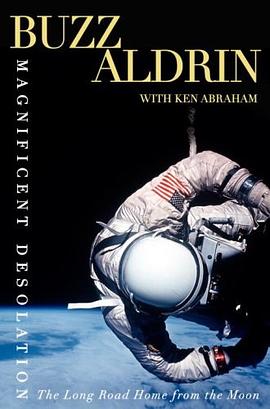
Forty years ago, Buzz Aldrin became the second human, minutes after Neil Armstrong, to set foot on a celestial body other than the Earth. The event remains one of mankind’s greatest achievements and was witnessed by the largest worldwide television audience in history. In the years since, millions more have had their Earth-centric perspective unalterably changed by the iconic photograph of Aldrin standing on the surface of the moon, the blackness of space behind him and his fellow explorer and the Eagle reflected in his visor. Describing the alien world he was walking upon, he uttered the words “magnificent desolation.” And as the astronauts later sat in the Eagle, waiting to begin their journey back home, knowing that they were doomed unless every system and part on board worked flawlessly, it was Aldrin who responded to Mission Control’s clearance to take off with the quip, “Roger. Understand. We’re number one on the runway.”
The flight of Apollo 11 made Aldrin one of the most famous persons on our planet, yet few people know the rest of this true American hero’s story. In Magnificent Desolation , Aldrin not only gives us a harrowing first-person account of the lunar landing that came within seconds of failure and the ultimate insider’s view of life as one of the superstars of America’s space program, he also opens up with remarkable candor about his more personal trials–and eventual triumphs–back on Earth. From the glory of being part of the mission that fulfilled President Kennedy’s challenge to reach the moon before the decade was out, Aldrin returned home to an Air Force career stripped of purpose or direction, other than as a public relations tool that NASA put to relentless use in a seemingly nonstop world tour. The twin demons of depression and alcoholism emerged–the first of which Aldrin confronted early and publicly, and the second of which he met with denial until it nearly killed him. He burned through two marriages, his Air Force career came to an inglorious end, and he found himself selling cars for a living when he wasn’t drunkenly wrecking them. Redemption came when he finally embraced sobriety, gained the love of a woman, Lois, who would become the great joy of his life, and dedicated himself to being a tireless advocate for the future of space exploration–not only as a scientific endeavor but also as a thriving commercial enterprise.
These days Buzz Aldrin is enjoying life with an enthusiasm that reminds us how far it is possible for a person to travel, literally and figuratively. As an adventure story, a searing memoir of self-destruction and self-renewal, and as a visionary rallying cry to once again set our course for Mars and beyond, Magnificent Desolation is the thoroughly human story of a genuine hero.
作者简介
巴兹·奥尔德林 (Buzz Aldrin)上校,博士,(出生于1930年1月20日,原名埃德温·尤金·奥尔德林(Edwin Eugene Aldrin, Jr.))曾是一名美国飞行员和美国国家航空 航天局的宇航员,以在执行第一次载人登月任务阿波罗11号时成为第二名(在尼尔·阿姆斯特朗之后)踏上月球的人而闻名。
目录信息
读后感
用户评价
如果非要用一个词来形容这本书给我的总体感受,那一定是“敬畏”。它不是那种哗众取宠的畅销书,而是一部需要静下心来、沉浸其中才能体会其磅礴气势的经典之作。作者的文字中流淌着一种对人类探索精神的深刻理解和由衷的赞叹,但这种赞叹又是内敛的、克制的,绝不落入肤浅的赞美之词。每一次对极限的挑战,每一次对未知的试探,都被赋予了近乎哲学的重量。阅读过程中,我常常会合上书本,抬头望向窗外,思绪久久不能平复,思考着我们作为碳基生命体,被赋予的这种永不满足的好奇心和征服欲,究竟意味着什么。这本书不仅仅记录了一段历史,它更像是为人类的雄心壮志立下的一座坚实的精神纪念碑,其意义远远超越了其记录的事件本身,具有极强的启发性和永恒的探讨价值。
评分我向来对那种试图一网打尽所有史料的著作抱持着一种审慎的态度,总担心它们会因为贪多而失焦。然而,这本书却奇迹般地在广度与深度之间找到了一个近乎完美的平衡点。它的信息密度令人咋舌,涵盖了从早期的理论构想到最终实施的每一个关键环节,似乎没有放过任何一个值得深思的侧面。但令人称奇的是,这种海量的信息输入,却从未让阅读过程变得枯燥乏味。作者采用了碎片化的叙事结构,将那些看似庞杂的资料点巧妙地编织成一张巨大的、引人入胜的知识之网。每一个小小的轶事或幕后花絮,都如同点亮了整体画面的一个火花,使得那些原本冰冷的数据和档案瞬间拥有了鲜活的温度和人性的光辉。读到后来,我感觉自己不是在阅读一本历史书,更像是在参与一场跨越数代人的集体奋斗,那种集体的智慧与牺牲精神,在字里行间久久回荡,令人动容。
评分这本书的叙事节奏简直像一场精心编排的交响乐,每一个音符、每一个停顿都恰到好处地烘托出那种宏大而又私密的史诗感。我特别欣赏作者对细节的打磨,那些关于早期探索的艰苦卓绝的描写,简直让我仿佛能闻到空气中弥漫的尘土和金属锈蚀的味道。更令人称奇的是,作者并未将重点仅仅放在那些惊天动地的技术成就上,而是深入挖掘了置身于那种极致孤寂环境中的人类心理。那些微妙的情绪波动,从初期的狂喜到随后的沉思,再到面对未知时的敬畏与恐惧,都被描绘得入木三分。读到某个关于决策失误的章节时,我甚至能清晰地感受到那种责任重压下的喘息声,那种在亿万光年之外做出关乎成败的抉择时的心理压力,是多么令人窒息。全书的结构布局也极其巧妙,不是简单的线性叙事,而是穿插着对历史背景的追溯和对未来可能性的展望,使得整个阅读体验层次异常丰富,每一次翻页都像是在揭开一层新的历史帷幕,让人欲罢不能。
评分这本书最让我感到惊喜的是它对“失败”和“局限性”的坦诚描写。在这个领域,很多叙事都倾向于美化成功,将过程描绘得一帆风顺,但作者却敢于直面那些重大的挫折、预算的超支,甚至是最初理论上的致命缺陷。这种毫不避讳的剖析,反而让整个故事的真实感和可信度飙升。它让我们明白,那些伟大的成就并非源于某种天赐的完美,而是无数次跌倒后爬起来的坚持。我尤其欣赏它对那些“边缘人物”的描绘,那些可能只是在某个关键节点上做出了一个小小的、但却至关重要的贡献的人,他们不像主角那样光芒万丈,但正是他们的存在,才使得整个宏伟的蓝图得以完整。这是一种非常成熟的历史观,它承认了历史的复杂性,拒绝了简单的英雄赞歌,而是呈现了一个由血肉、汗水和无数次修正构成的真实奋斗史。
评分这本书的文字功底,简直可以用“熔铸”来形容。它不是那种华丽辞藻堆砌的浮夸,而是一种带着坚硬质感的精确。作者似乎对语言有着一种近乎偏执的掌控欲,每一个用词都像是经过了千锤百炼,精准地钉在了最合适的位置上。尤其是在描述那些宏大场景时,那种冷静客观的笔触反而更增添了一份震撼力。你不会被过度煽情的情绪所裹挟,而是被事实的重量和场景的真实感所压倒。我特别喜欢它在处理时间跨度时的手法,能够在瞬间将读者从数十年的准备期拉入到几分钟的决定性时刻,这种时空的跳跃感处理得非常自然流畅,毫无断裂感。对于那些技术性的描述,作者也处理得非常老道,既保持了专业性,又用通俗易懂的方式进行了阐释,即便是对相关领域不太了解的读者,也能被其中蕴含的科学之美所深深吸引。整本书读下来,感觉像经历了一场智力与情感的双重洗礼,它挑战了你对“不可能”的固有认知。
评分 评分 评分 评分 评分