
具体描述
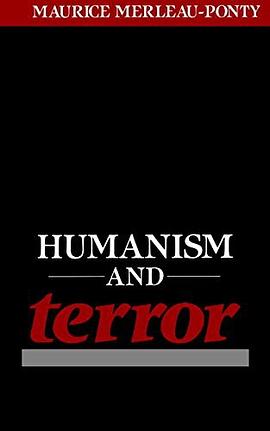
First published in France In 1947, Merleau-Ponty's essay was in part a response to Arthur Koestler's novel, Darkness at Noon , and in a larger sense a contribution to the political and moral debates of a postwar world suddenly divided into two armed camps. For Merleau-Ponty, the basic question was: given the violence in Communism, is Communism still equal to its humanist intentions?
Starting with the assumption that a society is not a "temple of value-idols that figure on the front of its monuments or in its constitutional scrolls; the value of a society is the value It places upon man's relation to man," Merleau-ponty examines not only the Moscow trials of the late thirties but also Koestler's re-creation of them. And Merleau-Ponty makes it clear that the Moscow trials—and violence in general in the Communist world—can be understood only In the context of revolutionary violence. He demonstrates that it is pointless to begin an examination of Communist violence by asking whether Communism respects the rules of liberal thought; it is evident that Communism does not. The question that should be asked is whether the violence Communism exercises is revolutionary violence, capable of building humane relations among men.
At a time when many are addressing similar questions to societies both in the East and in the West, Merleau-Ponty's investigations and speculations are of prime importance; they stand as a major and provocative contribution to the argument surrounding the use of violence.
作者简介
目录信息
读后感
用户评价
“Humanism and Terror”这本书,给了我一种前所未有的阅读体验。标题所激起的思想火花,让我忍不住去探究“人本主义”这一光辉理念,在某些特殊环境下,如何可能演变为“恐怖”的根源。作者的叙事方式并非线性,他通过对不同历史片段的细致描绘,展现了人类思想的复杂性和其潜在的危险性。我并没有找到任何可以简单概括的结论,而是被作者提出的种种问题所深深吸引。他迫使我去反思,在追求个体解放和群体利益的过程中,我们应该如何界定边界,如何避免极端走向。我发现,作者的文字中蕴含着一种特殊的智慧,它不是那种直接告诉你要做什么、怎么做的指令,而是通过层层递进的分析,引导读者自己去发现答案。我尤其欣赏他在处理那些敏感的历史事件时所展现出的那种勇气和深度。他并没有简单地将原因归结于某个单一因素,而是深入挖掘了政治、社会、文化以及个体心理等多个层面的互动作用。这本书让我对“人性”这个概念有了更深刻的理解,它提醒我,即使是那些最崇高的理想,也需要时刻警惕其可能产生的负面效应。
评分初次接触“Humanism and Terror”这本书,我带着一种既期待又略带疑虑的心情。标题本身就充满了张力,“人本主义”与“恐怖”这两个词汇的并置,预示着一场深刻的思想交锋。我本以为会是一篇关于某个特定历史时期恐怖事件的严肃学术论述,或是对某个极端意识形态的解构,但事实证明,它远远超出了我的想象。作者以一种极其敏锐的洞察力,将宏大的历史叙事与个体经验巧妙地融合在一起。他并没有简单地将“人本主义”视为进步与光明的象征,而是深入剖析了在特定语境下,这种理念如何可能被扭曲,甚至成为制造恐怖的工具。阅读过程中,我不断被作者提出的问题所触动。他迫使我跳出非黑即白的二元对立思维,去理解那些看似矛盾的现象背后,隐藏着怎样的复杂动机和深层逻辑。这种写作风格并非一蹴而就,而是经过了漫长而艰辛的思考打磨。我能感受到作者在每一个词语的选择,每一个句子的构建上所付出的努力。它不是那种能够让你轻松阅读并快速获得答案的书,它需要你投入时间和精力,去细细品味,去反复揣摩。有时候,我会因为作者提出的某个观点而感到不安,因为它触及了我内心深处的一些盲区。但正是这种挑战,让我感到自己的思想正在被唤醒,正在经历一次重塑。这本书的价值,不在于它提供了多少现成的答案,而在于它激发了多少新的问题,它引导我去探索那些更深刻、更本质的议题。
评分“Humanism and Terror”这本书,给我带来的不仅仅是知识的增长,更是一次深刻的思想洗礼。标题本身就充满了引人深思的张力,它迫使我去重新审视“人本主义”这一崇高理想在现实世界中可能遇到的种种困境,以及其与“恐怖”这一黑暗现象之间千丝万缕的联系。作者的写作风格并非那种哗众取宠的煽情,而是以一种冷静而又富有洞察力的笔触,深入剖析了历史进程中那些令人不安的细节。我必须承认,在阅读过程中,我曾多次感到自己的思维受到了挑战,因为作者提出的观点常常颠覆了我过往的认知。他并没有简单地将历史人物或思想流派简单地划分为“好”或“坏”,而是深入挖掘了其行为背后的动机、逻辑以及可能产生的深远影响。我尤其惊叹于作者在处理复杂社会问题时的那种细致入微的分析能力。他能够将宏观的历史趋势与微观的个体经验巧妙地结合,勾勒出一幅幅真实而又触目惊心的画面。这本书让我明白了,任何伟大的思想,如果脱离了对人性的深刻理解和对现实的审慎考量,都可能走向危险的境地。它是一次关于思想的探索,一次关于历史的反思,更是一次关于我们自身存在的深刻追问。
评分从拿到“Humanism and Terror”这本书的那一刻起,我就被它独特的气质所吸引。书名本身就充满了强烈的哲学色彩,它预示着一场关于人类文明中光明与黑暗、理想与现实之间复杂关系的深刻探讨。作者的文字具有一种独特的魅力,他能够将看似晦涩的概念,用一种极其生动而富有感染力的方式呈现出来。我感觉自己像是在与一位睿智的长者对话,他引导我一步步深入理解那些隐藏在历史表象之下的深刻含义。这本书并非仅仅是对某个特定历史时期或某个思想流派的简单评价,它更像是一次对人类精神世界的深度挖掘。作者并没有回避那些令人不安的真相,他勇敢地剖析了在追求某种崇高理想的过程中,人类可能陷入的困境和可能犯下的错误。我尤其欣赏他在分析过程中所展现出的那种冷静与客观,即使面对极端的情感和极端的行为,他也始终保持着一种理性的审视。阅读过程中,我时常会因为作者提出的某个观点而陷入沉思,思考那些被历史淹没的个体命运,思考那些在宏大叙事中被遗忘的真实情感。这本书的价值,不在于它提供了多少现成的答案,而在于它激发了多少新的问题,它引导我去探索那些更深刻、更本质的议题。
评分“Humanism and Terror”这本书,从我拿到它的时候起,就注定了我将要踏上一段充满挑战的阅读旅程。标题本身就充满了哲学意味,它迫使我开始审视那些我习以为常的观念。我一直认为人本主义是一种追求进步、尊重个体的积极力量,但当它与“恐怖”这个词联系起来时,我感到一种强烈的困惑和好奇。作者并没有提供简单的答案,他以一种极具洞察力的方式,展现了在某些历史时期,当人本主义的理念被极端化或被误读时,可能产生的令人震惊的后果。我必须承认,在阅读过程中,我曾多次感到不安,因为作者所描绘的场景和所提出的观点,触及了一些非常敏感和痛苦的领域。他并没有回避历史的黑暗面,反而以一种近乎解剖学的精准,剖析了那些导致“恐怖”产生的思想根源和社会土壤。我尤其欣赏作者在处理这些复杂议题时所展现出的那种冷静和理性。他并没有简单地将某个群体或某个思想标签化,而是深入挖掘了其背后的逻辑和动机。这本书让我对“理想”与“现实”之间的张力有了更深刻的理解,它提醒我,任何看似美好的理念,在转化为实践的过程中,都可能面临巨大的挑战和潜在的风险。我感觉到,这本书不仅仅是在讲述历史,它更是在引导我反思人性,反思我们所处的时代。
评分这本书的封面设计就有一种莫名的吸引力,深邃的蓝色背景,上面用一种略显苍劲的字体写着书名“Humanism and Terror”,旁边点缀着一些抽象的线条,勾勒出一种复杂的情感张力。当我第一次翻开它时,我并没有立刻被其中的某个具体论点所吸引,而是被一种整体的氛围所笼罩。作者的文字仿佛有一种魔力,能够将读者带入一种深刻的思考之中。在阅读过程中,我时常会停下来,闭上眼睛,感受文字在脑海中回荡的声音。它不是那种读完就忘的书,它像一颗种子,会在你的内心深处悄悄发芽,在你意想不到的时刻,给你带来新的启示。我发现自己越来越难以用简单的词语来概括这本书,因为它涉及的层面实在太广,而且作者的处理方式也极为细腻。它挑战了我原有的很多认知,让我开始审视那些我曾经认为理所当然的观念。有时候,我会觉得这本书有点沉重,因为它直面了一些人类社会中最黑暗、最令人不安的角落,但正是这种坦诚,才让它如此具有价值。我甚至开始思考,为什么有些历史事件会以那种极端的方式发生,为什么人类会在追求某种理想的过程中,走向毁灭性的道路。这本书不仅仅是对某个时期或某个思想流派的分析,它更像是一次对人类本性深处的探索,一次对理性与情感、理想与现实之间复杂纠葛的深刻剖析。我强烈推荐给那些愿意深入思考,不害怕面对复杂问题,并寻求更广阔视野的读者。它会让你在阅读的过程中,不断地与自己对话,与作者对话,最终,与这个世界进行一次更深刻的连接。
评分当我第一次翻开“Humanism and Terror”这本书的时候,我并没有立刻被其中的某个特定论点所吸引,而是被一种整体的氛围所笼罩。作者的文字有一种特别的质感,既有严谨的逻辑,又充满了人性的温度。他以一种近乎冥想的方式,引导读者去思考“人本主义”与“恐怖”之间那微妙而又充满张力的关系。我感觉自己像是在一个巨大的思想迷宫中探索,每一步都伴随着新的发现和对原有认知的挑战。作者并没有简单地将这两个词语对立起来,而是深入剖析了它们之间错综复杂的联系。他并没有提供轻易的答案,反而提出了更多值得深思的问题。我尤其喜欢他在处理历史事件时所展现出的那种耐心和细致。他能够将宏大的历史背景与个体细微的情感波动相结合,勾勒出那个时代人们复杂的内心世界。阅读过程中,我时常会因为作者提出的某个观点而停下来,陷入长时间的沉思。它不是那种能够让你在短时间内快速吸收并遗忘的书,它更像是一次深入的对话,一次对自身思想的审视。我感觉到,这本书挑战了我对许多事物的固有认知,让我开始用一种更广阔、更深刻的视角去审视这个世界。
评分当我拿起“Humanism and Terror”这本书时,我带着一种复杂的情绪——既有对探索未知的好奇,也有对标题本身所带来的警示。作者的文字如同精美的丝线,将人本主义的理想与恐怖的现实编织在一起,构成了一幅幅令人深思的画面。他并非以一种宏大叙事的方式来评判历史,而是更侧重于从微观层面,剖析那些在特定历史条件下,思想是如何发生异变,最终导致悲剧性后果的。我被作者在分析中的那种严谨和细致所折服。他并没有简单地将“人本主义”视为一个静态的、完美的理念,而是将其置于动态的历史进程中,审视其在不同社会语境下的表现和演变。我发现,这本书让我对“自由”和“秩序”之间的平衡有了更深刻的理解。作者的叙述并非一成不变,他会根据不同的历史情境,调整叙述的重点和风格,展现出一种高度的灵活性和思想的深度。我常常会因为作者提出的某个关于“个体责任”的观点而感到震撼,它让我反思,在面对集体狂热时,个体的选择和立场究竟有多么重要。这本书更像是一次对人类心灵深处的探索,它揭示了在追求理想的过程中,我们可能面临的种种诱惑和陷阱,也提醒我们要时刻保持警惕和反思。
评分“Humanism and Terror”这本书,在我拿到手的那一刻起,就有一种难以言喻的重量感,不仅是物理上的,更是思想上的。我被它所吸引,很大程度上是因为它的标题所激起的强烈反差感。人本主义,本应是关怀个体、尊重生命、追求理性与平等的崇高理想,然而,当它与“恐怖”这个词并列时,便立刻引发了对人性复杂性与历史残酷性的深刻拷问。我并非历史学领域的专业人士,但作者的写作风格却异常地引人入胜,他能够将晦涩的概念和复杂的历史事件,用一种极其清晰而富有感染力的方式呈现出来。我感觉自己像是在与一个充满智慧的朋友对话,他引导我一步步深入探究那些隐藏在历史表象之下的真实。这本书并非仅仅是对某种政治哲学或历史事件的简单评介,它更像是一次对人类精神世界的深度挖掘。作者并没有回避那些令人不适的真相,他勇敢地剖析了在追求理想的过程中,人类可能陷入的困境和可能犯下的错误。我尤其欣赏他在分析过程中所展现出的那种冷静与客观,即使面对极端的情感和极端的行为,他也始终保持着一种理性的审视。阅读过程中,我时常会停下来,反思自己对“人本主义”的理解是否过于片面,对“恐怖”的认知是否流于表面。这本书让我意识到,任何伟大的思想,如果脱离了对人性的深刻理解和对现实的审慎考量,都可能走向失控的危险境地。它是一次关于思想的旅程,一次关于历史的审视,更是一次关于我们自身存在的深刻追问。
评分当我开始阅读“Humanism and Terror”时,我并没有预设任何具体的结论,只是被这个书名所吸引。它似乎预示着一场关于理想与现实、善与恶之间永恒斗争的深刻探讨。作者的文字,如同涓涓细流,却蕴含着巨大的力量,悄无声息地渗透进我的思维。他并没有采用那种声嘶力竭的控诉,也没有一味地强调某种意识形态的优越性。相反,他以一种近乎诗意的笔触,勾勒出在某些历史的极端时刻,人类思想是如何在人本主义的光辉下,又悄然滋生出令人不寒而栗的“恐怖”。我尤其惊叹于作者在处理复杂历史细节时的耐心与细致。他如同一个精密的解剖师,将那些被时间尘封的事件,一层层剥开,展现在读者面前。我从中看到了人类在追求某种崇高理想时的那种狂热,也看到了在这种狂热之下,个体尊严和生命价值是如何被轻易地牺牲。这本书让我对“进步”这个词有了更深刻的理解,它并非总是线性的,也可能伴随着沉重的代价。我常常会因为作者提出的某个观点而陷入沉思,思考那些被历史淹没的个体命运,思考那些在宏大叙事中被遗忘的真实情感。它不是那种能够让你在短时间内读完的书,它需要你沉下心来,去感受文字背后的力量,去体悟那些隐藏在字里行间的深刻寓意。
评分梅洛-庞蒂的政治立场和哲学立场一致,从始至终拒绝做出任何极端化的选择。实质问题不在于在对立的两极之中选择其一,而在于如何处理最终都汇集在个体自身之上的辩证法。而读者是否不应该期待从这种辩证法式的讨论中找到个体在历史情境中做出(政治)选择的“how”的问题?正像很多批评法国左派知识分子的人所说的那样,如何避免这种基于情境和现实的倾向变成一种“投机主义”?难道答案就是梅洛-庞蒂在书中提到的、作为坚实的评价标准、具有天然正义性的“革命”?或者是他所描述的,在德占时期法国抵抗派“英雄”式的行动选择?
评分梅洛-庞蒂的政治立场和哲学立场一致,从始至终拒绝做出任何极端化的选择。实质问题不在于在对立的两极之中选择其一,而在于如何处理最终都汇集在个体自身之上的辩证法。而读者是否不应该期待从这种辩证法式的讨论中找到个体在历史情境中做出(政治)选择的“how”的问题?正像很多批评法国左派知识分子的人所说的那样,如何避免这种基于情境和现实的倾向变成一种“投机主义”?难道答案就是梅洛-庞蒂在书中提到的、作为坚实的评价标准、具有天然正义性的“革命”?或者是他所描述的,在德占时期法国抵抗派“英雄”式的行动选择?
评分梅洛-庞蒂的政治立场和哲学立场一致,从始至终拒绝做出任何极端化的选择。实质问题不在于在对立的两极之中选择其一,而在于如何处理最终都汇集在个体自身之上的辩证法。而读者是否不应该期待从这种辩证法式的讨论中找到个体在历史情境中做出(政治)选择的“how”的问题?正像很多批评法国左派知识分子的人所说的那样,如何避免这种基于情境和现实的倾向变成一种“投机主义”?难道答案就是梅洛-庞蒂在书中提到的、作为坚实的评价标准、具有天然正义性的“革命”?或者是他所描述的,在德占时期法国抵抗派“英雄”式的行动选择?
评分some striking arguments
评分梅洛-庞蒂的政治立场和哲学立场一致,从始至终拒绝做出任何极端化的选择。实质问题不在于在对立的两极之中选择其一,而在于如何处理最终都汇集在个体自身之上的辩证法。而读者是否不应该期待从这种辩证法式的讨论中找到个体在历史情境中做出(政治)选择的“how”的问题?正像很多批评法国左派知识分子的人所说的那样,如何避免这种基于情境和现实的倾向变成一种“投机主义”?难道答案就是梅洛-庞蒂在书中提到的、作为坚实的评价标准、具有天然正义性的“革命”?或者是他所描述的,在德占时期法国抵抗派“英雄”式的行动选择?