
具体描述
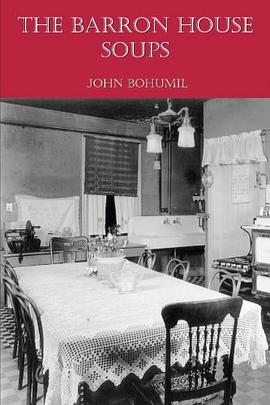
Stagecoach lines were first established in the United States in the middle 1700's. The earliest routes connected Boston, New York City, and Philadelphia. The Barron House was one of the stops on the stagecoach route north from Philadelphia. The horses were changed there before the climb over the Lehigh Mountains into Allentown and again on the return trip. Passengers would disembark to take care of personal needs and to eat in the Barron House dining room while the change was being made. During the years before 1900 the Barron House cuisine was a combination of Pennsylvania Dutch and Amish. Beer, wine and whiskey helped to take the bumps out of the rutted roadway the stagecoaches navigated. After the stagecoaches stopped running, the road on which the Barron House was located became a designated state route handling the early automobiles as well as horse drawn wagons. Eventually, an electric-powered trolley car was added on tracks laid in the center of the road and carried passengers between Philadelphia and Allentown. The Barron House clientele also changed. Travelers still stopped for food and now for gasoline, and also water for their radiators or horses. However, a significant portion of the Barron House's customers were permanent or extended-stay residents in its hotel rooms who took all their meals in-house. Itinerant work crews stringing electric and telephone wires and building roads in the area, would also live and eat in the hotel. Other individuals working in the town and living in rented rooms also found the hotel's food attractive in both taste and cost, and patronized the Barron House. And there were the banquets. Various organizations like the local bank used the hotel'slarge dining room for festive occasions. In those days of no air conditioning the large overhead fans and massive horse chestnut trees just outside made the room cool in summer and the central heating system made it cozy in winter. Finally, in a day when most workers carried bag lunches, the hotel's boarding house style hot lunches attracted workers from the clothing factory just down the street and from other nearby employments, by the combination of quality and low price. In the early 1900's a new owner and proprietor of the Barron House, originally from Bohemia, added Bohemian cuisine to the Dutch and Amish fare. In Europe, Bohemia was a vigorous, long-established kingdom with a varietal and polished epicurean heritage. The Bohemian nobility was actually a prolific class and constituted a substantial segment of the Bohemian population. It sanctioned gentility and good living for itself and for the lower classes, providing education and skills enlargement for everyone. When absorbed into the Austrian Empire, Bohemia kept its culture, its values, and its foods. The addition of Bohemian foods to the Barron House menu was very pleasing to the new Barron House clientele. After all, most of them ate every meal there and liked the variety.
作者简介
目录信息
读后感
用户评价
这本《The Barron House Soups》简直是烹饪界的宝藏!我拿到手的时候,光是翻阅目录就被那些名字吸引住了,每一个都充满了故事感。比如那个“迷雾山谷的慢炖扁豆汤”,光是名字就让人浮想联翩,想象着在这样一个充满诗意的山谷里,一锅热气腾腾的汤正在慢悠悠地煨煮。这本书的排版设计也做得非常用心,那种复古的插画风格,让人感觉仿佛真的回到了那个经典的巴伦庄园,每一个步骤的图片都清晰易懂,即便是厨房新手也能轻松上手。更让我惊喜的是,作者在每款汤品的介绍里,都会穿插一些关于食材来源地的小故事,比如某种香料是从遥远的东方海域带来的,或者某种蔬菜是在特定的季节才能采摘到。这不仅仅是一本食谱,更像是一本带着浓郁人文气息的旅行日记。我尝试做了几款汤,比如那个听起来很家常的“奶奶的番茄罗勒浓汤”,但成品出来的味道却有着令人惊艳的深度和层次感,那种酸甜平衡得恰到好处,罗勒的清香在舌尖久久萦绕。这让我意识到,原来简单的食材也能通过精心的处理和恰当的配比,焕发出如此不凡的生命力。这本书的价值远超于食谱本身,它教会了我如何用更专注、更充满爱意的心情去对待每一餐。
评分我通常对那些只有图片没有深度的书不屑一顾,但《The Barron House Soups》的图片处理方式非常高级。它们不是那种为了上镜而过度打光的虚假美感,而是捕捉了汤品在自然光线下最真实、最诱人的状态。我尤其喜欢其中几张“过程特写”的照片,比如香草刚刚被切碎时那种鲜活的翠绿色,或者浓汤在搅拌时留下的、即将消散的漩涡纹理,这些细节捕捉得精准而富有诗意。更重要的是,这本书在配料上的推荐非常灵活。它没有死板地要求你必须使用某个特定品牌或稀有的异域食材。相反,它提供了一个“风味替代矩阵”,告诉你如果手头没有A,可以用B和C的组合来模拟出近似的效果,这对于居住在食材不那么丰富的地区的读者来说,简直是救星般的存在。我根据书里的指引,用本地的根茎蔬菜成功地复刻出了一款具有异国风情的“大地之歌”蔬菜汤,味道浓郁得令人难以置信。这本书的指导思想是:优秀的汤,源于对食材的尊重和对风味的深刻理解,而非依赖昂贵的标签。它真正做到了将高雅的烹饪艺术,转化为触手可及的日常享受。
评分我对这类经典主题的书籍总是抱持着一种审慎的态度,因为经典往往意味着墨守成规,难以有创新。但《The Barron House Soups》的编排方式,尤其是其对“地域性风味”的挖掘,着实让人眼前一亮。它不像某些新潮食谱那样追求猎奇或融合,而是扎根于传统,同时又注入了极其现代的、科学的理解。比如,它详细解析了不同地区使用的“高汤基底”的哲学差异——地中海地区偏爱以鱼骨和番茄为基础的清澈汤头,而北欧的汤则更强调根茎类蔬菜的天然甜度和油脂的醇厚感。书中针对每一种基底,都提供了好几种变化式,让你在掌握核心理念后,可以根据手头的食材自由发挥。我特别欣赏作者在介绍“如何储存和冷冻汤品”那一章节的态度,那不是敷衍的几句话带过,而是深入探讨了不同油脂和淀粉在冷冻和解冻过程中风味流失的科学原理,并给出了相应的补偿性烹饪建议。这种深度和实用性的结合,体现了作者深厚的功底和对读者负责任的态度。它让你感觉,自己不仅仅是在做饭,更是在进行一场严谨的美食实验。
评分读完这本汤谱,我感觉自己仿佛经历了一次味觉上的“心灵洗涤”。在这快节奏的时代,我们似乎已经忘记了慢下来,去等待一锅好汤熬煮成型的耐心。《The Barron House Soups》用它温柔而坚定的笔触,提醒着我们这份等待的价值。书中的语气非常平和,不像那些高高在上的名厨那样咄咄逼人,它更像是一位经验丰富、慈祥的长辈在厨房里耐心地指导你。比如,在教你制作一个看似复杂的法式洋葱汤时,作者会反复强调“不要急于让洋葱焦糖化,要用你的感官去判断,直到你闻到那种深沉的、带着焦糖的坚果香气为止”。这种依赖直觉和感官的引导,恰恰是传统烹饪艺术中最难传授的部分,但作者却通过文字巧妙地传达了出去。我发现自己做汤的习惯都变了,不再盯着计时器,而是开始注意汤面蒸汽的升腾、食材在锅底翻滚的声音,以及那股慢慢弥漫开来的温暖香气。这本书的魔力就在于,它让你从一个单纯的“执行者”,转变为一个能够感知和驾驭“时间与温度”的创造者。
评分老实说,我原本以为这又是一本徒有其表的精装美食书,那些花哨的封面和昂贵的纸张,往往掩盖着内容上的空洞。然而,《The Barron House Soups》彻底颠覆了我的看法。它的厉害之处在于对“平衡”的极致追求。我很少看到有哪本汤谱能如此精妙地处理酸、甜、咸、鲜之间的微妙关系。举个例子,书里有一款“森林浆果与野蘑菇清汤”,光听名字就觉得搭配很奇特,浆果的酸甜配上野蘑菇的土腥味,怎么想都觉得会很怪异。结果呢?作者通过加入一种特殊的陈年醋来提升鲜味,使得果酸和菌类的泥土气息完美地融合在一起,创造出一种既清新又厚重、复杂到让人忍不住一口接一口的味觉体验。这种对细节的把控,简直到了偏执的程度。而且,书中对“火候”的描述非常到位,不是简单地写“炖煮三小时”,而是细致到告诉你不同阶段的汤液应该呈现出怎样的状态,气泡的大小,蒸汽的浓度,这才是真正的大师级指导。这本书不是让你机械地复制食谱,而是引导你去理解汤品内在的“呼吸节奏”。对于那些追求厨房艺术的深度爱好者来说,这本书绝对是案头必备的“圣经”。
评分 评分 评分 评分 评分