具体描述
They are classics of science fiction. The chillers and thrillers made during the remarkable years following the second world war. The era when the world was shaken from its adolescence and abruptly thrust into the atomic age. An era in which the fanciful notions of science fiction suddenly became science fact and danger lurked around every corner. Danger from alien invaders hellbent on world destruction...danger from deranged geniuses using the marvels of science to wreak havoc...danger from prehistoric beasts re-animated by radiation fallout from millions of years of slumber and unleashed upon our cities...even danger from unknown forces usurping the very bodies and souls of our friends and loved ones and infesting the very core of humanity. While modern films have elevated the art of special effects to undreamt of artistry, the classics of the 1950s have left a legacy unmatched by any other era in film history. They represent a time of innocence and awakening, and they celebrate an era of teenagers, Friday night shock fests and drive-in theaters. They may be a bit "hockey" by today’s standards, but the images they conjure up remain to this day as the definitive icons of science fiction...sleek alien spacecraft, fire-breathing prehistoric beasties and, of course, the little green men from Mars.
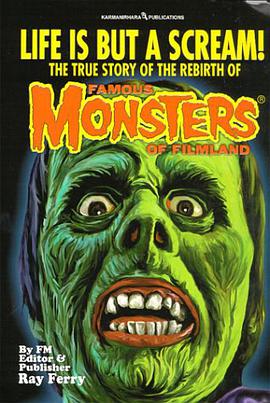
Now for sci-fi aficionados of all ages, Ray Ferry—renowned editor of Famous Monsters of Filmland and Classic Monsters magazines—has compiled this special portfolio edition which highlights over 70 delicious moments from over 40 of the most loved classics of science fiction and fantasy ever filmed. Each photograph has been painstakingly digitally restored, allowing the viewer to delight in the richness of design and depth of the images. The Classic Sci-Fi Filmbook is a celebration of the weird and wonderful pioneering days of science fiction films...the days when malevolent mad geniuses and hordes of alien invaders from other worlds meant hours of screen excitement for teens and adults at movies and drive-in theaters all across the country. So grab your trusty ray gun and join us on a wondrous journey back through the days of futures past...the classic days of science fiction and fantasy!
作者简介
Ray Ferry is one of the leading authorities and aficionados of what he terms "the films of Classic Horrorwood." He began his love affair with the genre in 1960 as an 8-year-old charter reader of a popular 1960s era pulp magazine titled Famous Monsters of Filmland, which was the "bible" of the monster craze of the time, influencing the careers of a whole generation of then adolescent readers. Today Ferry is the editor and publisher of that very same magazine that so influenced him in his youth.
Having worked for some 20 years as a professional photographer before applying his energies to FM, Ferry has a unique appreciation of and respect for the craftsmanship of the horror classics. Since reviving the magazine from the realm of the literary "undead" in 1993, Ferry has devoted his efforts to introducing the era of the classic fright films to a new generation who have been weaned on a diet of blood and gore in modern films. An outspoken voice concerning graphic violence in film and its desensitizing effect on young minds, Ferry's retro-horror approach has resulted in reestablishing Famous Monsters of Filmland, as the leading publication of its kind. By merging the magazine’s original 1960s flavor with a 1990s edge, he has bridged the gap of several generations and created an entertaining and educational forum, with both adult and child readers sharing the innocent fun of the Halloween spirit all year long.
Ferry has worked with many diverse talents in the fantasy film genre with whom he shares a love of the classics including Academy award winning animator Ray Harryhausen (one of the most influential personalities of his youth); legendary comics Phyllis Diller (MAD MONSTER PARTY), Mel Brooks (YOUNG FRANKENSTEIN) and Gary Owens; renowned performers Gloria Stuart (THE OLD DARK HOUSE), Adam West (TV's Batman), Frank Gorshin (Batman TV's Riddler), Cassandra Peterson (TV's ELVIRA), Al Lewis (THE MUNSTERS), and world renowned mentalist and occult authority The Amazing Kreskin, among others.
Ferry believes the old horror films will never be equaled. His credo is "there’s no ghoul like an old ghoul."
目录信息
读后感
用户评价
这本书的叙事节奏和选材倾向,让我的阅读体验充满了断裂感。我原本设定的是一个相对线性的探索旅程,从科幻电影的萌芽期,到黄金时代的繁荣,再到新浪潮的冲击。然而,这里的章节组织似乎是随机的,毫无逻辑可循。前一章可能在讨论一部晦涩的冷战时期反乌托邦电影的服装设计,下一章却突然跳跃到一个看似毫无关联的、关于八十年代低成本机器人电影的对白分析。这种跳跃性,让读者很难建立起对类型片发展脉络的宏观认知。更令人困惑的是,它似乎对那些在视觉上或故事结构上具有里程碑意义的影片采取了一种近乎冷漠的态度。我翻遍了这本书,试图找到关于特效革命性时刻的探讨,比如哪部电影首次成功地在银幕上展现了“虫洞旅行”,或者哪次三维动画的尝试为后来的作品奠定了基础。这些本应是科幻电影史的基石性内容,却被轻描淡写地带过,取而代之的是对一些在技术上平庸,但可能在社会批判上有所建树的影片的大篇幅赞美。这种价值判断的倾斜,使得这本书更像是一个策展人精心挑选的“小众展览”,而非一本涵盖全面的“电影百科全书”。
评分作为一名忠实的科幻电影迷,我追求的是那种能唤起集体回忆和共同文化符号的文本。我希望读到关于电影海报艺术的演变,关于那些影响了一代人想象力的配乐片段的解析,以及那些因为技术限制而显得既滑稽又可爱的早期道具的幕后故事。这本书,在我看来,似乎刻意避开了所有这些“流行文化”的触点。它专注于某种纯粹的、近乎学院派的文本解读,完全剥离了电影与观众之间的情感联结。例如,我特别想知道,那些在童年时期给我们带来无限震撼的,关于外星生物接触场景的镜头语言,是如何被导演和摄影师精心构建的。然而,这本书里充斥的却是关于镜头光圈、焦距选择对观众潜意识影响的冗长论述,这些论述虽然专业,但对于一个渴望重温电影魅力的读者来说,显得过于疏离和冰冷。它更像是一本供研究者使用的档案汇编,而不是一本能让人在沙发上,伴着一杯热饮,轻松享受的电影鉴赏指南。它提供的是“知识”,而不是“乐趣”,这对于一本以“经典”为名的电影读物来说,无疑是一种遗憾。
评分这本书的视角极其独特,甚至可以说是反主流的。我原本期望这是一本能够引导我重温那些在影院里带来巨大冲击感的视觉奇观的书籍。比如,那些开创性的太空战争场面,那些令人屏息的未来都市景观,那些在当时看来简直是魔法的CGI技术的初步尝试。我期待这本书能详细拆解这些场面的拍摄难度、当时的行业反应以及它们如何影响了后续的特效发展。然而,我发现它对“大场面”和“视觉冲击力”几乎是不屑一顾的。它似乎更倾向于那些通过极简主义的布景和大量的对白来探讨人类境遇的作品。章节中对那些依赖于宏大叙事和复杂视觉效果的影片的提及少之又少,仿佛这些作品在作者的评价体系中,因为“不够艺术化”或“太过商业化”而被自动排除在外。这使得这本书在试图构建一个“经典”的图谱时,留下了一片巨大的、充满光芒的空白区域。对于一个将科幻电影的魅力建立在想象力的极限拓展上的读者而言,这本书的取舍标准,让我感到它错失了这种类型片最核心的灵魂所在,提供了一个过度偏颇且令人费解的“经典”定义。
评分这本书简直是科幻电影爱好者的圣经!我抱着极大的期待翻开它,希望能在字里行间重温那些黑白胶片上的光影魔力,或者至少能找到一些关于早期太空歌剧制作内幕的独家爆料。然而,我花费了数小时,试图在目录和章节标题中寻找熟悉的泰坦巨著的名字——《2001:太空漫游》的深邃哲学,《银翼杀手》赛博朋克的迷幻美学,乃至《星球大战》的史诗气魄。令人沮丧的是,那些定义了类型片黄金时代的里程碑作品,似乎完全缺席了。我期待的,是那种深入解析特效演变、导演意图和时代背景的深度剖析,毕竟这是一本“经典”科幻电影的指南。但这里的内容似乎绕开了那些最广为人知、最具文化影响力的作品,转向了一些更加小众、或者说,在主流叙事中不太常被提及的影片。这让我不禁思考,作者心目中的“经典”标准究竟是什么?它更偏向于早期实验电影,还是那些仅仅因为发行年代久远而被归类的作品?这种出乎意料的缺失感,让原本充满期待的阅读体验蒙上了一层迷雾。我本想带着一本可以向朋友炫耀的“必备工具书”的满足感合上它,结果却像在一家米其林餐厅点菜,发现主厨拒绝烹饪任何招牌菜一样,充满了不解与遗憾。
评分说实话,当我打开这本书时,我期待的是一种时间旅行般的体验,那种能让我感受到电影技术从简陋到辉煌的演变过程。我希望看到对早期模型制作的细致描述,对那些手工绘制的背景和机械装置的敬意。我关注的是电影工业如何克服预算的限制,用智慧和想象力去构建那些超越现实的宇宙。这本书的装帧和定价,无疑暗示了其内容的权威性和深度。但当我浏览内页时,我发现它更像是一本针对特定影评人圈子的小众读物,而非面向广大科幻迷的入门手册。它似乎沉迷于探讨那些在艺术手法上极具开创性,但在叙事流畅性或对大众文化冲击力上略逊一筹的作品。例如,我注意到其中花了大量篇幅分析了一部我从未听闻的,可能是六十年代末的欧洲先锋派科幻短片,其论述之复杂,几乎需要读者同时阅读哲学著作才能领会其“深刻含义”。这与其说是一本电影书,不如说是一篇篇关于电影形式主义的长篇论文集。对于一个只是想重温太空船追逐战的乐趣,或者想了解《异形》中那令人毛骨悚然的生物设计是如何诞生的普通读者来说,这本书提供的营养太过“精炼”和“抽象”,消化起来实在太过费力,让人感觉自己仿佛误入了一场学术研讨会,而非一次愉快的观影回顾之旅。
评分 评分 评分 评分 评分