
具体描述
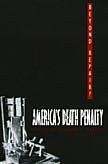
Can the death penalty be administered in a just way-without executing the innocent, without regard to race, and without arbitrariness? How does capital punishment in the United States fit with international human rights law? These are among the questions that leading legal scholars and journalists explore in Beyond Repair?. All new, the essays in this collection focus on the period since 1976, when the Supreme Court held that capital punishment, in and of itself, does not violate the Constitution. In addition to reflecting on the most recent developments in the law, the contributors draw on empirical research to consider connections between newly available data and modern American death penalty procedures. A number of the essays scrutinize thinking about capital punishment. They examine why, following almost two decades of strong public support for the death penalty, public opinion in favor of it has recently begun to decline. Beyond Repair? presents some of the findings of the Capital Jury Project, a nationwide research initiative which has interviewed over one thousand people who served as jurors in capital trials. It looks at what goes through the minds of jurors asked to consider imposing the death penalty, how qualified they are to make such an important decision, and how well they understand the judge's instructions. Contributors also investigate the risk of executing the innocent, the role that race plays in determining which defendants are sentenced to death, and the effect of expanded restrictions on access to federal appellate relief. The postscript contemplates the peculiarities of our contemporary system of capital punishment, including the alarming variance in execution rates from state to state. Filled with current insights and analysis, Beyond Repair? will provide valuable information to attorneys, political scientists, criminologists, and all those wanting to participate knowledgeably in the debates about the death penalty in America. Contributors. Ken Armstrong, John H. Blume, Theodore Eisenberg, Phoebe C. Ellsworth, Stephen P. Garvey, Samuel R. Gross, Sheri Lynn Johnson, Steve Mills, William A. Schabas, Larry W. Yackle, Franklin E. Zimring
作者简介
目录信息
读后感
用户评价
这本书的结构设计非常巧妙,它采用了非线性叙事,将现在与过去,梦境与现实进行了频繁且无缝的切换。起初,这种跳跃感让我有些措手不及,感觉像是在看一部剪辑凌乱的电影片段。但随着阅读的深入,我开始理解这种结构安排的深层用意——它模仿了创伤记忆的碎片化特质。主角的内心世界本身就是破碎的,通过这种叙事方式,作者让我们切身体会到那种被时间切割、无法拼凑完整的痛苦。更绝妙的是,作者在不同的时间线中埋下了相互呼应的象征物,比如一盏特定的灯光,或者一句重复出现的话语。当你将这些碎片在脑海中重新排列组合时,真相浮现的那一刻带来的震撼,是线性叙事无法比拟的。这需要读者投入极大的认知努力,但回报也是丰厚的。
评分这本书探讨的主题,虽然宏大,但着墨点却非常微观,聚焦于“个体在巨大系统面前的无力感”。它没有试图去描绘一场波澜壮阔的史诗,而是专注于一个或几个小人物在面对不可抗拒的命运洪流时的挣扎与妥协。我感受到了那种强烈的宿命论色彩,但作者的高明之处在于,他并没有让角色完全放弃抵抗。即使是在最绝望的时刻,那种对意义的微弱探寻,对微小尊严的坚守,依然闪耀着人性的光辉。这种对比——宏大的、冰冷的外部环境与顽强、温暖的内在生命力——产生了极强的张力。它让读者在读完后,不会感到彻底的虚无,反而会有一种被洗礼后的平静,认识到真正的“修复”或许并非指回到原状,而是接受裂痕本身,并学会在破碎中继续前行。
评分这本书的叙事节奏把握得相当精准,那种层层递进的悬念设置,让人在阅读过程中始终保持着一种高度的紧张感。作者似乎非常懂得如何利用环境的渲染来烘托人物内心的挣扎与冲突。比如,在描述主角试图修复一段破裂关系时,那种阴郁、潮湿的城市背景,简直像是他们情感困境的物理投射。我特别喜欢作者对细节的捕捉,那些微小到几乎可以忽略的动作——一个不经意的眼神接触,一次僵硬的肢体回避——都成了揭示人物复杂性的关键线索。故事的主线虽然是围绕着某种“无法挽回”的主题展开,但它并没有停留在表面的悲剧性,而是深入挖掘了造成这种困境背后的社会结构、个人选择的累积效应。读完之后,我甚至开始反思自己生活中的某些“临界点”,那些我们自以为可以轻松跨越,实则早已埋下隐患的时刻。这种后劲十足的代入感,是很多文学作品所追求却难以企及的。
评分从人物塑造的角度来看,这本书成功地塑造了一群极具灰色地带的角色。没有绝对的好人,也没有纯粹的恶徒,每个人都在自己的逻辑体系内做出了“必要的”选择,即便这些选择最终导向了灾难性的后果。我尤其欣赏作者对反派心理的刻画,那种从细微的不满到最终爆发的转变过程,处理得极其细腻和真实。你甚至能在那个“坏人”身上找到一丝可怜和理解,尽管你无法认同他的行为。这种深度挖掘人性的复杂面,使得整个故事的道德光谱变得无比广阔。它迫使读者去面对一个残酷的事实:很多时候,悲剧不是由一个邪恶的决定造成的,而是由一系列在当时看来“合乎情理”的小错累积而成的。这种对“人性弱点”的剖析,显得既残酷又充满了洞察力。
评分这本书的语言风格,简直像是一场精心编排的古典音乐会,每一个词语的选取都充满了音乐性与雕琢感。它不像那种直白的、像新闻报道一样的叙事,反而更倾向于一种意识流的、充满隐喻的表达。我记得有一段描写角色回忆往昔的场景,作者用了大量的排比和长句,句子结构复杂但逻辑清晰,读起来有一种酣畅淋漓的美感,仿佛沉浸在一种旧时光的金色滤镜中。但是,这种高强度的文学性也带来了一定的挑战,它要求读者必须全神贯注,稍有走神,可能就会错过作者精心埋设的意象或双关语。我不得不承认,有好几次我需要停下来,重新阅读某一段落,仅仅是为了体会那种文字排列组合带来的韵律和力量。它不是那种可以放在床头随便翻阅的书,它更像是一件需要被郑重对待的艺术品,值得反复品味那些精妙的措辞和句法上的创新。
评分 评分 评分 评分 评分