
具体描述
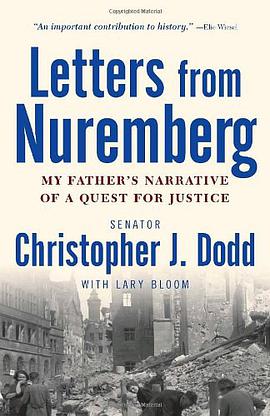
For some sixty years, the Nuremberg trials have demonstrated the resolve of the United States and its fellow Allied victors of the Second World War to uphold the principles of dispassionate justice and the rule of law even when cries of vengeance threatened to carry the day. In the summer of 1945, soon after the unconditional surrender of Nazi Germany, Thomas J. Dodd, the father of U.S. Senator Christopher J. Dodd of Connecticut, traveled to the devastated city of Nuremberg to serve as a staff lawyer in this unprecedented trial for crimes against humanity. Thanks to his agile legal mind and especially to his skills at interrogating the defendants—including such notorious figures as Hermann Göring, Alfred Rosenberg, Albert Speer, Joachim von Ribbentrop, and Rudolf Hess—he quickly rose to become the number two prosecutor in the U.S. contingent.
Over the course of fifteen months, Dodd described his efforts and his impressions of the proceedings in nightly letters to his wife, Grace. The letters remained in the Dodd family archives, unexamined, for decades. When Christopher Dodd, who followed his father’s path to the Senate, sat down to read the letters, he was overwhelmed by their intimacy, by the love story they unveil, by their power to paint vivid portraits of the accused war criminals, and by their insights into the historical importance of the trials.
Along with Christopher Dodd’s reflections on his father’s life and career, and on the inspiration that good people across the world have long taken from the event that unfolded in the courtroom at Nuremberg, where justice proved to be stronger than the most unspeakable evil, these letters give us a fresh, personal, and often unique perspective on a true turning point in the history of our time. In today’s world, with new global threats once again put-ting our ideals to the test, Letters from Nuremberg reminds us that fear and retribution are not the only bases for confrontation. As Christopher Dodd says here, “Now, as in the era of Nuremberg, this nation should never tailor its eternal principles to the conflict of the moment, for if we do so, we will be shadowing those we seek to overcome.”
From the Hardcover edition.
作者简介
目录信息
读后感
用户评价
作为一名对战后国际秩序重建过程抱有浓厚兴趣的非专业人士,我发现这本书提供了一个极具启发性的视角。它没有回避那些令人不适的伦理困境和政治妥协。作者的笔触是冷静且克制的,他没有急于对历史人物进行简单的道德审判,而是致力于展现“为什么”和“如何”——为何那样的审判成为必然,以及在那个特定的历史节点,各国代表是如何在理念的冲突中艰难前行,塑造出我们今天所熟知的国际法框架。这种对过程的细致剖析,远比最终的结果更具教育意义。它让我意识到,历史的里程碑往往是在无数次不完美的协商和妥协中艰难铸就的,充满了妥协的智慧与无奈的遗憾。
评分这部作品的叙事节奏控制得极佳,张弛有度,令人难以释卷。有时候,它像是一部紧张的法庭纪录片,细节的堆砌让人喘不过气,每一次证词的交换都充满了火药味和戏剧性;而转瞬之间,作者又会切换到一种近乎诗意的散文风格,描绘战后欧洲的萧瑟景象,或是某个关键人物在巨大压力下的内心挣扎。这种文体上的自由转换,极大地丰富了阅读的层次感,避免了单一叙事带来的枯燥。我尤其喜欢那些被作者挖掘出来的,关于幕后人员的小故事,那些在历史大背景下显得微不足道,却真实地反映了时代精神和个体选择的片段。它们像是散落在广袤战场上的零星火花,在冰冷的历史叙事中,注入了一股股温暖而又沉重的人性之光,让人在阅读的间隙,不得不为之动容。
评分这本厚重的历史著作,以其深邃的洞察力和细腻的笔触,将我们带回了那个决定世界命运的关键时期。作者对于那个时代错综复杂的人际关系和政治博弈的描绘,简直是教科书级别的典范。我尤其欣赏他对那些微小细节的捕捉,那些往往被宏大叙事所忽略的瞬间,却构成了历史真实的肌理。阅读的过程中,我仿佛能闻到旧式文件散发出的油墨味,感受到审判席上那令人窒息的压力。它不仅仅是对一个事件的记录,更像是一次对人性复杂性的深度探访。每一次翻页,都像是踏入了一个布满荆棘的迷宫,需要极大的耐心和专注力去梳理那些交织在一起的谎言与真相,以及那些在历史洪流中挣扎的个体命运。这本书的结构安排非常巧妙,层层递进,将原本看似分散的线索,最终汇聚成一个震撼人心的整体图景,让人在掩卷长思时,对历史的冷峻和公正有了更深一层的理解与敬畏。
评分这本书的装帧和排版也体现了出版方对内容的尊重。字体选择大气而清晰,注释详尽得令人赞叹,几乎每一句话的背后都能找到可靠的出处支撑。这使得阅读过程中的求证和深入探究变得异常便捷。我常常会被某个关键论点吸引,然后立刻转到书末的附录去查阅原始档案或法律条文的引用,这种阅读体验,仿佛是与作者并肩进行一场学术探险。对于那些追求深度和广度的读者而言,这本书无疑是一份沉甸甸的馈赠。它不仅是历史的记录者,更像是一位严谨的向导,带领我们穿越迷雾,直抵历史事件的核心地带,让人在知识的汲取之余,感受到一种被知识武装的充实感。
评分坦白说,初读这本书时,我有些被它的信息密度吓到。它不像那些通俗易懂的历史读物,它更像是一份经过千锤百炼的法律文献与私人信札的奇妙融合体,要求读者具备一定的历史背景知识才能完全领会其精髓。然而,一旦你沉下心来,随着作者的引导深入,那种被智力挑战后的豁然开朗感是无与伦比的。作者的论证逻辑严密得如同精密仪器,每一个引用的佐证都经过了极其审慎的筛选。这种近乎偏执的求真精神,使得全书的论断都具有极强的说服力。它迫使我停下来,去重新审视自己对“正义”与“清算”的既有概念,那种思想上的碰撞和激发,是阅读体验中最宝贵的部分。它不提供廉价的答案,而是抛出更深刻的问题,让人在回味中自行寻找答案的轮廓。
评分 评分 评分 评分 评分