
具体描述
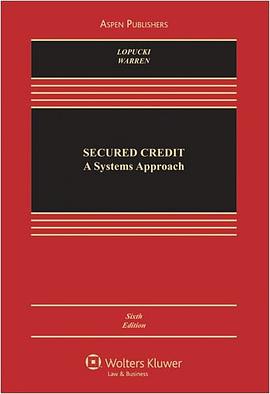
If you’ve taught from Secured Credit: A Systems Approach before, cutting-edge coverage and extraordinary authorship is what you’ve come to expect from two of the foremost authorities in commercial law and bankruptcy. If you have never taught from this book, you have yet to discover the flexibility of its modular organization, how convenient it is to teach using the assignment units, and the pedagogical advantages to teaching the code in the context of actual transactions. (If you have never taught Secured Credit before in your life, you may be somewhat relieved to find LoPucki and Warren’s comprehensive and up-to-date Teacher’s Manual and PowerPoint slides.) Secured Credit: A Systems Approach, Sixth Edition, features : the Systems Approach , examining how the law is applied in actual transactions convenient assignment structure and problem-based pedagogy — for added flexibility, some assignments in the Sixth Edition will be have half-way stopping points, to allow one-and-a-half assignments to be covered in a single 75-minute class adaptable modular organization that supports different teaching approaches a helpful review of the commonalities between secured transactions and bankruptc y updated and detailed Teacher’s Manual , with answers to all of the problems as well as suggestions for omitting sections for shorter courses Thoroughly revised to ensure currency and accuracy, with updated cases, statutes, and rules, the Sixth Edition includes : updates to reflect the adoption of Revised Article 1 by a majority of states, while preserving old Article 1 section numbers for use in states that haven’t made the change new material on chattel paper, instruments, accounts, and payment intangibles , including the celebrated Commercial Money Center case new material on asset securitization , the sale-lease distinction — including In re Worldcom — and new debtors updated search methods and costs to reflect migration of the UCC filing systems to the Internet two simple, easy-to-use drafting problems — a one-sentence security agreement and a financing statement refreshed and revised problems detailed and updated Teacher’s Manual and comprehensive PowerPoint slides (available in December 2008) Whether you’ve been teaching with Secured Credit: A Systems Approach for years, or you’re looking at it for the first time, we think you will be impressed by all that it offers: Outstanding authorship, flexibility, pedagogy, and teaching support.
作者简介
目录信息
读后感
用户评价
这本书给我带来最深刻的感受是其对“信息不对称”在信贷市场中被滥用的深刻洞察。作者并未停留在对信息披露不足的道德谴责上,而是从经济学原理出发,论证了在信息成本高昂的环境下,过度依赖代理人和评级机构必然导致逆向选择的发生。其中一个精彩的观点是,那些最愿意支付高额溢价去购买复杂信用衍生品的,往往是那些最清楚其风险本质的内部人士,而普通投资者则被排除在“知道内情”的圈子之外。这种构建在信息鸿沟之上的金融结构,在书中被描绘得淋漓尽致。我尤其欣赏作者在结尾部分对未来监管方向的探讨,它没有给出简单的答案,而是提出了一个关于如何平衡创新与保护之间关系的哲学难题。读罢掩卷,我感到一种智识上的疲惫,但这并非因为内容晦涩,而是因为它迫使我重新审视了自己对金融市场“效率”和“公平”的既有认知,是一次对既有信念体系的彻底冲击。
评分我读了市面上几乎所有关于信用风险的书籍,但很少有能像这部作品一样,将“法律框架”与“市场实践”的矛盾讨论得如此透彻。作者似乎花了大量时间在研究不同司法管辖区在面对债务违约时的程序差异,这使得全书的讨论远超出了纯粹的财务报表分析范畴。书中关于担保品权限的章节,那种对担保协议中细微措辞的辨析,细致到令人咋舌,但正是这些“小事”,决定了危机来临时谁能拿到钱,谁只能排队等待。我个人认为,这本书更适合那些已经有一定金融基础,渴望从“如何做”提升到“为什么会是这样”的专业人士。它的文字风格偏向于法律文书的精准,逻辑严密,几乎没有可以被挑剔的模糊地带,但这种严谨也意味着,你需要时间去消化其中的复杂概念。它不是一本可以囫囵吞枣的书,每读完一章,我都需要停下来,将书中的理论模型与我自己的工作经验进行艰难的对撞与验证。
评分这本书的独特之处在于它成功地避开了主流金融读物常见的“成功学”倾向。它不贩卖乐观,而是冷静地解剖失败。作者似乎带着一种考古学家的严谨,去挖掘每一次信贷泡沫破裂时,那些被主流叙事忽略掉的微小、却致命的漏洞。例如,书中对特定抵押品评估标准的演变进行了细致入微的考证,展示了当市场流动性枯竭时,曾经被视为“安全资产”的实物抵押品如何瞬间贬值为“有毒资产”。这种对细节的执着,使得全书充满了可信的重量感。对于那些在银行风控部门工作的人来说,这本书的价值在于它提供的并非通用的风险矩阵,而是一套“逆向思维”的框架——如何质疑那些被普遍接受的假设。它要求读者跳出当前的利益相关者立场,以一个历史学家的视角来审视眼下的每一笔交易,这种冷静的疏离感,在浮躁的金融界非常宝贵。
评分这部书简直是金融世界的导航图,对于那些渴望在高风险、高回报的信贷市场中稳健航行的投资者而言,它提供了无可替代的战略蓝图。作者以一种近乎冷峻的笔触,剖析了现代金融体系中信用风险的本质与演变,没有丝毫的温情脉脉,全是硬核的实操逻辑。我尤其欣赏其中关于“结构化信贷产品”的章节,它没有停留在教科书式的定义上,而是深入挖掘了次级抵押贷款证券化过程中,那些被精心掩盖的底层资产质量滑坡的信号。读完后,我立刻反思了自己过去在评估债券组合时过于依赖信用评级机构的习惯,书中通过一系列历史案例的对比,清晰地揭示了评级模型在面对系统性风险时的脆弱性。那种层层剥茧,将复杂金融工具还原为基础风险敞口的叙述方式,非常考验读者的逻辑思维,但一旦跟上节奏,那种茅塞顿开的体验是无与伦比的。它不是一本让你一夜暴富的“秘籍”,而是一部让你学会如何规避系统性灾难的“安全手册”。
评分我原本以为这会是一本枯燥的学术专著,充满了晦涩难懂的数学公式和经济学理论的堆砌,但出乎我的意料,作者将宏大的金融危机叙事与个体信贷决策紧密结合,形成了一种引人入胜的叙事张力。它更像是一部关于人性在贪婪与恐惧之间摇摆的历史编年史,只不过载体是信用工具。特别是关于新兴市场主权债务重组的部分,作者展示了国际政治博弈如何深度影响债券持有人的回收预期,那种跨学科的融合,让原本僵硬的金融概念变得鲜活起来。我特别留意到作者对“道德风险”在监管套利中的作用的分析,那段论述极其尖锐,直指那些在规则边缘游走的金融机构的本质。文字的节奏感把握得极好,时而疾速推进,揭示市场崩溃的逻辑链条;时而缓慢停顿,聚焦于某个关键违约事件背后的决策失误。阅读过程需要高度的专注力,但回报是巨大的,它提升了对金融市场深层运作机制的理解层次。
评分 评分 评分 评分 评分