
具体描述
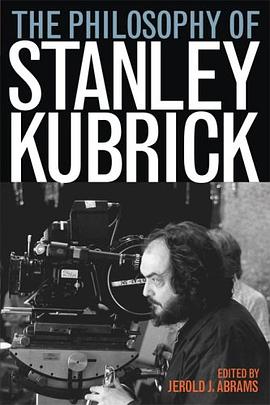
In the course of fifty years, director Stanley Kubrick produced some of the most haunting and indelible images on film. His films touch on a wide range of topics rife with questions about human life, behavior, and emotions: love and sex, war, crime, madness, social conditioning, and technology. Within this great variety of subject matter, Kubrick examines different sides of reality and unifies them into a rich philosophical vision that is similar to existentialism. Perhaps more than any other philosophical concept, existentialism -- the belief that philosophical truth has meaning only if it is chosen by the individual -- has come down from the ivory tower to influence popular culture at large. In virtually all of Kubrick's films, the protagonist finds himself or herself in opposition to a hard and uncaring world, whether the conflict arises in the natural world or in human institutions. Kubrick's war films (Fear and Desire, Paths of Glory, Dr. Strangelove, and Full Metal Jacket) examine how humans deal with their worst fears -- especially the fear of death -- when facing the absurdity of war. Full Metal Jacket portrays a world of physical and moral change, with an environment in continual flux in which attempting to impose order can be dangerous. The film explores the tragic consequences of an unbending moral code in a constantly changing universe. Essays in the volume examine Kubrick's interest in morality and fate, revealing a Stoic philosophy at the center of many of his films. Several of the contributors find his oeuvre to be characterized by skepticism, irony, and unfettered hedonism. In such films as A Clockwork Orange and 2001: A Space Odyssey, Kubrick confronts the notion that we will struggle against our own scientific and technological innovations. Kubrick's films about the future posit that an active form of nihilism will allow humans to accept the emptiness of the world and push beyond it to form a free and creative view of humanity. Taken together, the essays in The Philosophy of Stanley Kubrick are an engaging look at the director's stark vision of a constantly changing moral and physical universe. They promise to add depth and complexity to the interpretation of Kubrick's signature films.
作者简介
目录信息
读后感
用户评价
**评价四** Stanley Kubrick 的电影,总有一种独特的魅力,能让我在观影后陷入长久的思考,仿佛被带入了一个由他构建的,充满哲学意味的宇宙。《The Philosophy of Stanley Kubrick (The Philosophy of Popular Culture)》这本书,就像一张藏宝图,指引我深入探索 Kubrick 电影中隐藏的哲学宝藏。我一直对 Kubrick 电影中对科技与人性的复杂关系感到好奇,尤其是在《2001: A Space Odyssey》中,HAL 9000 的存在,让我对人工智能的未来充满了敬畏与不安。同时,我对 Kubrick 对社会规范和道德边界的挑战也深感着迷,例如《A Clockwork Orange》中对自由与惩罚的讨论,至今仍引发着激烈的辩论。 我相信这本书会为我提供一个系统性的解读,帮助我理解 Kubrick 电影中那些看似晦涩的象征意义,以及它们所蕴含的深刻哲学思想。 我期待书中能够深入分析 Kubrick 如何通过对人性弱点、社会结构以及宇宙奥秘的描绘,来引发观众对自身存在和文明发展的反思。 这将是一次对 Kubrick 电影艺术与哲学深度的探索,一次让我更加理解这位伟大导演思想精髓的旅程。
评分**评价一** Stanley Kubrick 的电影,总是在我脑海中激起一种沉思的涟漪,它们不仅仅是视觉的盛宴,更是思想的迷宫。我一直着迷于他作品中那种深邃的哲学意涵,那些关于人性、宇宙、科技以及我们自身存在意义的探讨。 《The Philosophy of Stanley Kubrick (The Philosophy of Popular Culture)》这本书,在我看来,是一把开启我理解这些复杂主题的金钥匙。从《2001: A Space Odyssey》中对人类进化与人工智能的敬畏与忧虑,到《A Clockwork Orange》中对自由意志与社会控制的尖锐拷问,再到《The Shining》里对精神失常与家庭破碎的令人不安的描绘,Kubrick 用他的镜头语言,一次次将我们抛入未知的深渊,挑战我们固有的认知。这本书,我相信,能够系统地梳理出 Kubrick 电影中反复出现的哲学母题,并将它们置于更广阔的文化语境中进行审视。我期待它能够帮助我更深入地理解,为什么这些影片即使在多年后,依然能够引发如此强烈的共鸣和讨论,为什么 Kubrick 的电影不仅仅是娱乐,更是对人类境况的深刻反思。我尤其好奇,作者将如何解读 Kubrick 电影中的象征主义和隐喻,它们背后隐藏着怎样的哲学思想,又如何与我们当下的社会现实产生关联。这不仅仅是关于一位导演的书,更是关于我们如何看待世界,如何认识自身的一面镜子。
评分**评价二** 我一直觉得 Stanley Kubrick 是一个“反常”的艺术家,他的作品很少遵循大众的叙事模式,却总能以一种令人意想不到的方式触及最根本的真理。这种“反常”的魅力,正是吸引我,也吸引了无数观众的地方。《The Philosophy of Stanley Kubrick (The Philosophy of Popular Culture)》这本书,对我而言,似乎能填补我在理解 Kubrick 电影时的一些空白。我常常在观看他的作品时,会产生一种“我知道他在说什么,但我说不出来”的感觉。比如,《Dr. Strangelove》中那种将核战争推向荒诞极致的黑色幽默,背后隐藏着对权力结构和人类愚蠢的深刻讽刺,而《Full Metal Jacket》对战争机器如何吞噬人性的残酷剖析,更是让我久久不能平静。我相信这本书能够提供一种新的视角,将 Kubrick 电影中那些看似零散的哲学碎片,串联成一条清晰的脉络。我期待书中能够深入探讨 Kubrick 对人性黑暗面的挖掘,以及他对文明发展所带来的潜在危机的警觉。我希望它能够解答我长久以来的疑问: Kubrick 究竟是如何做到,用影像的力量,将如此宏大而抽象的哲学概念,具象化到如此令人震撼的地步?这本书,我相信,将会是我重新审视 Kubrick 电影,乃至我们自身生存状态的一次重要契机。
评分**评价五** Stanley Kubrick 的电影,对我而言,不仅仅是影像,更是一系列关于人类存在、社会结构以及宇宙本质的哲学命题。我一直着迷于他作品中那种冷峻而深刻的视角,以及他挑战观众固有认知的艺术手法。《The Philosophy of Stanley Kubrick (The Philosophy of Popular Culture)》这本书,在我看来,是一本能够带领我深入理解 Kubrick 电影背后哲学思想的权威指南。 我对 Kubrick 电影中对战争、暴力以及人性黑暗面的描绘尤为关注,例如《Paths of Glory》中对战争残酷性的控诉,以及《A Clockwork Orange》中对自由意志与社会控制的探讨,都让我深思。 我相信这本书能够为我提供一个全面的框架,让我能够系统地梳理出 Kubrick 电影中反复出现的哲学主题,例如理性与情感的冲突、个体与集体的关系、以及人类在宇宙中的位置。 我期待书中能够深入探讨 Kubrick 如何通过其独特的视觉风格和叙事技巧,来传递他对这些哲学问题的思考。 这将是一次对我自己理解 Kubrick 电影,以及对人类生存状态进行更深层次探索的绝佳机会。
评分**评价三** Stanley Kubrick 的电影,对我来说,就像一本本等待被解读的哲学圣经。它们常常需要反复观看,每次都能发现新的细节,新的启示。《The Philosophy of Stanley Kubrick (The Philosophy of Popular Culture)》这本书,是我一直在寻找的,能够帮助我深入挖掘 Kubrick 电影背后哲学思想的工具。我一直对《Eyes Wide Shut》中那种潜藏在表面平静下的欲望与权力斗争感到着迷,它揭示了人性中最隐秘的一面。而《Barry Lyndon》则以一种史诗般的宏大叙事,展现了命运的无情与个体的挣扎。 我相信这本书会为我提供一个理论框架,让我能够更好地理解 Kubrick 如何运用镜头语言、叙事结构、甚至是色彩和声音,来传达他的哲学思考。 我尤其期待书中能够对 Kubrick 电影中反复出现的“异化”主题进行深入的探讨,这种主题在《The Shining》和《A Clockwork Orange》中都得到了淋漓尽致的体现。 我相信,这本书不仅仅是关于电影分析,更是关于如何通过艺术作品,来理解人类存在的困境,以及我们在现代社会中所面临的挑战。 这会是一次智力上的探险,一次对 Kubrick 电影艺术与哲学深度的挖掘之旅。
评分 评分 评分 评分 评分