
具体描述
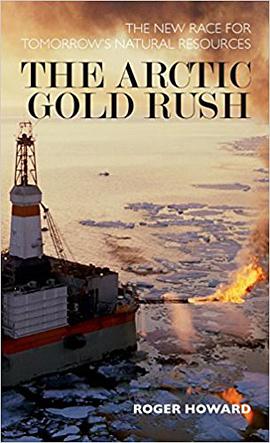
An exploration of the political significance of the Arctic's vast untapped wealth of natural resources, and a gripping account of the race to exploit them
On August 2, 2007, a Russian submarine captured world headlines by making a dangerous journey to the bottom of the Arctic seabed and planting a metal, rustfree national flag more than 14,000 feet beneath the North Pole. The aim was to assert Russia's legal sovereignty over a region whose importance had only recently started to become apparent as its melting ice had made, or was expected to make, vast natural resources open to exploitation.
The latest estimates are that the region holds around 13% of the world's undiscovered oil and as much as 30% of undiscovered natural gas reserves that would be hugely profitable for any country that managed to secure control over them. Gold, platinum, copper, and other precious metals have also been found along the coast. Neighboring countries ― Russia, the United States, Canada, Denmark, and Norway ― are already doing everything they can to mark out new borders. The ensuing political disagreements over the issue are already rife. In particular, games of political intrigue between Moscow and Washington are being played out in the region. But as the world's resources become increasingly scarce and valuable, could the scramble for Arctic resources become violent? Could a "War for the Arctic" be fought?
Editorial Reviews
From Publishers Weekly
In this dense but rewarding read, journalist and international relations specialist Howard (The Oil Hunters) looks at the strategic implications of climate change in the Arctic region. Dismissing the "much discussed" scenario of "brutal, bitter and bloody confrontation" over the region's rich resources, (Howard believes that as resources run low worldwide, market-driven economies will recognize cooperation as their best strategy), he sees the "real risk of future confrontation" in the Arctic's "strategic location. As ice melts and borders shift, disputes may arise over which countries-the U.S., Russia, Canada, Greenland-own the Arctic, creating a cascade of problems logistical, economic and military. If, for example, "Chinese or Russian energy companies could establish a presence in a petroleum-rich place like Greenland," then the U.S. might feel threatened. Other industries like international shipping will certainly be affected: "sailing between London and Tokyo would be reduced by 3,500 miles." Howard goes into grim detail regarding every aspect of the complex situation, but is guardedly optimistic that treaties can resolve these issues. Environmentalists and political buffs should find this an interesting and unexpected analysis.
Copyright © Reed Business Information, a division of Reed Elsevier Inc. All rights reserved.
Review
'Meticulous detail ... This is an excellent book of reference with a wealth of factual information.' - Morning Star
Reviewed in Literary Review, April 2010.
'Howard's book stands out as a model of objectivity and dispassionate analysis in a publishing world where there is far too much sensationalism on such subjects.' - The Tablet
"A journalist and author specializing in defense and energy-related issues, Howard describes conflict over resources at the north pole as improving exploration and extraction technology, and declining ice narrow in on the cross-over point of profitability. He profiles the contenders: Russia, the US, Canada, Norway, and Denmark—obviously some heavier hitters than others—and consider such other topics as whether a resource war looms, the great explorers, black gold, sea lanes and strategy, the environmental challenge." -Eithne O'Leyne, BOOK NEWS, Inc.
作者简介
Roger Howard is a writer and broadcaster specialising in international relations. His most recent publications are The Oil Hunters (2008) and Iran Oil: The New Middle East Challenge to America (2006).
目录信息
读后感
用户评价
这部作品的叙事节奏简直像冰川消融一样,时而缓慢得让人感觉时间凝固,时而又突然爆发,卷起雪崩般的波澜。我花了很长时间才真正沉浸进去,最初的几章,作者似乎在刻意营造一种北境的空旷和冷峻,人物的内心挣扎和外部环境的严酷形成了某种近乎令人窒息的张力。你仿佛能闻到那种湿冷的空气,听到风声穿过苔原的呜咽。不过,一旦故事开始真正聚焦于那些探险者们为了虚无缥缈的财富所付出的代价时,那种近乎原始的生存本能和人性的复杂面貌才开始展现出来。我尤其欣赏作者对于地理细节的把握,那些关于冰层厚度、光照变化以及极地生物习性的描写,绝非泛泛而谈,显示出作者下了不少功夫进行考证。然而,在处理某些次要角色的动机时,偶尔会觉得笔力有些不足,他们的突然转向或退出显得有些生硬,仿佛只是为了推动主角的命运而存在的工具。但总的来说,这本厚厚的书,提供了一种沉浸式的体验,让你在阅读过程中不断思考人类在极端环境下的道德底线究竟在哪里。它不是一本轻松的消遣读物,更像是一次对耐力和意志力的深刻拷问。
评分这部作品的语言风格变化多端,让人目不暇接。在前三分之一,我感觉自己像在阅读一篇古典的探险日志,文字庄重、结构严谨,充满了维多利亚时代对未知世界的敬畏与征服欲。然而,随着故事的深入,尤其是在人物开始面对持续的饥饿和幻觉时,文字开始变得碎片化、充满感官冲击,甚至带有某种超现实主义的色彩。那些描绘低温如何扭曲视觉和听觉的段落,简直是文学上的奇观。我甚至需要反复阅读某些句子,才能确信自己没有理解错作者那种故意设置的歧义。这种从古典到现代、从写实到迷幻的叙事切换,非常大胆,但也非常考验读者的接受能力。我个人偏爱它后半段那种近乎诗歌般的混乱,它精准地捕捉了在极端生存压力下,人类意识是如何瓦解和重构的。它不仅是在讲述一个故事,更是在进行一场关于“感知极限”的语言实验。
评分坦率地说,这本书的后劲很大,但前提是你得撑过前期缓慢的铺垫。我最初拿起它,是抱着寻找刺激的期待,结果发现它更像是一部关于“等待”的史诗。作者似乎对“快速解决问题”这种叙事套路不屑一顾。他花了大量的篇幅去描绘那些看不到希望的日常,比如修补磨损的靴子、计算仅剩的煤油、以及在无尽的白茫茫中辨认方向。正是这些看似枯燥的细节,反而构建了巨大的情感能量。每一次细微的进步,比如发现了一处避风的岩洞,都会带来一种超乎寻找到黄金的巨大满足感。这部作品最终传达的信息,在我看来,并非关于黄金本身的价值,而是关于“坚持”这个行为本身的意义。它提醒我们,真正的探险,很多时候不是关于到达目的地,而是关于在没有目的地的路上,你选择了成为什么样的人。这本书绝对值得细细品味,尤其适合那些厌倦了快餐式文学,渴望深度体验的读者。
评分让我印象最深的是其中对“价值”的探讨,这一点远超出了单纯的寻宝故事的范畴。那些人们不远万里,冒着生命危险去追逐的那些闪光的诱惑,在书中被置于一个巨大的反思框架之下。当生命本身都岌岌可危时,那些被世俗定义为“宝贵”的物质,其意义似乎被极大地稀释乃至颠覆了。书中描绘了几次关于物资分配的冲突场景,每一次都像是一次对人性的精准解剖刀。作者没有简单地将人物划分为好人或坏人,而是展示了在压力之下,即便是最正直的人也会做出令人侧目的选择。这种灰色的地带,才是这部作品最引人入胜之处。我特别欣赏作者对符号的运用,比如某个角色始终不离手的、已经失去实际功用的老旧工具,它所代表的意义,远比他发现的任何矿藏都要沉重。这本书像一面冷峻的镜子,反射出我们这个社会对于“成功”的盲目崇拜,让人在合上书页后,仍久久不能平复那种对物质欲望的警惕。
评分读完这本书,我脑海里挥之不去的是那种强烈而刺骨的孤独感。它不像传统冒险故事那样充满了高歌猛进的英雄主义,反而更多地探讨了“失落”的主题——失落的希望、失落的同伴、甚至是失落的自我。作者的文风极其内敛,很多重要的情感转折和冲突都是通过环境的细微变化来暗示的,而不是直接的心理独白。比如,某一个角色如何对待他手中最后一块干粮的细节,比他长篇大论地阐述自己的绝望要震撼得多。这种“少即是多”的叙事策略,在描绘极北之地那种“万籁俱寂”的氛围时达到了顶峰。我必须承认,这本书的阅读门槛不低,它要求读者有极大的耐心去等待那些微小的、潜移默化的变化。有那么一瞬间,我甚至觉得作者本人也迷失在了他所描绘的冰雪迷宫中,以至于叙事线索偶尔会显得有些松散,仿佛作者也被那种无边的荒野吞噬了。但正是这种看似失控的状态,反而赋予了故事一种难以言喻的真实感,让你感觉到,在那种环境下,任何精确的计划都可能瞬间化为乌有。
评分 评分 评分 评分 评分