具体描述
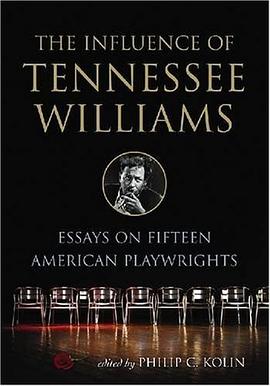
The author of A Streetcar Named Desire and Cat on a Hot Tin Roof was never shy about drawing on his personal and family drama for stage material. This collection of 15 essays examines how Williams's confessional style and subject matter in turn influenced a diverse group of American playwrights over the past six decades. Critical comparisons with William Inge, Edward Albee, Neil Simon, David Mamet, Beth Henley, Christopher Durang, Tony Kushner, and others reveal the complexity of his influence. A special feature of this collection is its emphasis on how Williams was received by African American dramatists, including Lorraine Hansberry, August Wilson, Adrienne Kennedy and Suzan-Lori Parks. The collection ends with an original interview with Edward Albee on why and how Williams influenced him.
The Influence of Tennessee Williams is a comprehensive exploration into the life, works, and enduring impact of one of America’s most celebrated playwrights. This detailed examination delves into the rich tapestry of his contributions to literature, highlighting how his storytelling resonates across generations. It uncovers the themes that defined his writing—love, tragedy, identity, and human vulnerability—while offering insightful perspectives on his unique voice and narrative style. This work takes a thoughtful look at the historical context in which Tennessee Williams flourished, shedding light on the societal changes of mid-20th century America and how they shaped his art. It analyzes key plays that stand out for their emotional depth and complexity, such as “A Streetcar Named Desire,” “Cat on a Hot Tin Roof,” and “The Glass Menagerie.” Each of these works is dissected to reveal the layers of meaning embedded within the dialogue, character development, and setting. The book also explores Williams’ personal journey, including his struggles with illness, relationships, and the challenges that influenced his creative process. By examining interviews, biographies, and critical analyses, it presents a multifaceted portrait of a man who was as much a product of his environment as he was an artist shaping it. Readers will find valuable information on how his experiences informed his portrayals of love and loss, often reflecting the fragility and intensity of human emotions. Furthermore, this comprehensive reference explores the cultural impact of Williams’ work beyond theater. It touches upon adaptations in film and television, which have brought his stories into new audiences. The author discusses how these interpretations both celebrate and reinterpret the original texts, adding another layer to the understanding of his legacy. Throughout, the content is meticulously researched, offering readers a clear and insightful journey through Tennessee Williams’ life and the world he created. It serves as an ideal resource for students, educators, and literature enthusiasts who wish to deepen their appreciation of this influential playwright. This detailed presentation emphasizes not only his literary achievements but also the broader significance of his work in American culture. The exploration is structured to provide a thorough understanding of Williams’ contributions, ensuring that readers gain both a historical perspective and an emotional connection to his writing. Each section is carefully crafted to be informative, engaging, and insightful, offering a true appreciation for one of literature’s most compelling voices. This book stands as a tribute to the enduring power of storytelling and its ability to reflect the complexities of the human experience.