
具体描述
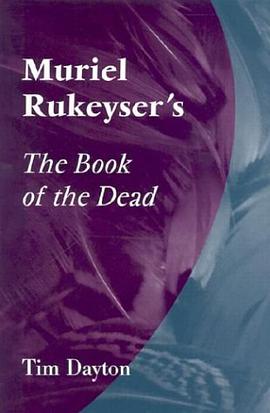
The Book of the Dead by Muriel Rukeyser was published as part of her 1938 volume U.S. 1. The poem, which is probably the most ambitious and least understood work of Depression-era American verse, commemorates the worst industrial accident in U.S. history, the Gauley tunnel tragedy. In this terrible disaster, an undetermined number of men--likely somewhere between 700 and 800--died of acute silicosis, a lung disorder caused by prolonged inhalation of silica dusts, after working on a tunnel project in Fayette County, West Virginia, in the early 1930s. After many years of relative neglect, The Book of the Dead has recently returned to print and has become the subject of critical attention. In Muriel Rukeyser's "The Book of the Dead, " Tim Dayton continues that study by characterizing the literary and political world of Rukeyser at the time she wrote The Book of the Dead. Rukeyser was very much a figure of the "cultural front, " and her poem clearly emerges from 1930s radicalism, as well as from Rukeyser's deeply felt calling to poetry. After describing the world from which the poem emerged, Dayton sets up the fundamental factual matters with which the poem is concerned, detailing the circumstances of the Gauley tunnel tragedy and establishing a framework derived from the classical tripartite division of the genres--epic, lyric, and dramatic. He looks at the lyrical, documentary, and meditative sections of the poem, which presents reflections upon the significance, particularly the historical significance, of the Gauley tunnel tragedy. For Rukeyser, that disaster was the emblem of a history in which those who do the work of the world are denied control of the vast powers they bring intobeing. Dayton also studies the critical reception of The Book of the Dead and determines that while the contemporary response was mixed, most reviewers felt that Rukeyser had certainly attempted something of value and significance. He pays particular attention to John Wheelwright's critical review and to the defenses of Rukeyser launched in the 1980s and 1990s by Louise Kertesz and Walter Kalaidjian. The author also confronts the relationship between Marxism as a theory of history governing The Book of the Dead and the poem itself, which presents a vision of history. Based upon primary scholarship in Rukeyser's papers, a close reading of the poem, and Marxist theory, Muriel Rukeyser's "The Book of the Dead" offers a comprehensive and compelling analysis of The Book of the Dead and will likely remain the definitive work on this poem.
作者简介
目录信息
读后感
用户评价
这是一部极具分量和深度的作品,绝非轻易可以消化。Rukeyser 的写作,有一种令人敬畏的力量,她将历史的重量、社会的不公以及生命的脆弱,以一种极为诗意却又无比直观的方式呈现出来。读这本书,我常常会感到一种沉甸甸的压迫感,但同时,又会被一种更加强大的、源于生命本身的韧性所打动。 她并没有回避那些令人不安的真相,而是选择直面它们,并将它们编织进她独特的诗歌语言中。我在这本书中看到了对工业文明的深刻反思,对环境破坏的警示,以及对那些被历史遗忘和忽视的生命群体的深切同情。这种广阔的视野和深刻的洞察力,让这本书远远超越了单纯的文学范畴,成为了一部具有重要社会意义的著作。每一次重读,都能有新的感悟,这正是好书的魅力所在。
评分这本《死者之书》真是一次令人屏息的旅程,它不是那种你轻易能读完的书。每一次翻开,都感觉像踏入了一个古老而神秘的迷宫,里面充满了 Rukeyser 沉甸甸的思考和犀利的观察。读她的诗,就像是在和一位智者对话,她用一种你既熟悉又陌生的语言,揭示了那些我们常常忽略却又至关重要的事物。她对现实世界的洞察力,那种直击人心的力量,是如此的强大,让你不得不停下来,去审视自己,审视我们生活的这个世界。 我尤其喜欢她处理时间的方式,那些古老的传说和当下的困境,在她笔下被巧妙地编织在一起,形成了一幅幅令人不安却又充满力量的画面。那种历史的厚重感,与当下正在发生的悲剧交织,让你深刻体会到,人类的痛苦和挣扎,是如此的绵延不绝。她并非简单地罗列事实,而是通过诗歌的魔力,将那些冰冷的数据和历史事件,转化为有血有肉的情感,触动你内心最深处。读完之后,你会发现,自己对某些事物有了全新的认识,那些曾经模糊不清的概念,仿佛被她点亮了一般。
评分阅读《死者之书》的过程,是一次深刻的自我探索。Rukeyser 的诗歌,不像是一篇篇独立的作品,更像是一条蜿蜒流淌的河流,将各种意象、情感和思想汇聚在一起,形成一种宏大的整体。她对“死亡”的探讨,并非仅仅停留在字面意义上,而是将其扩展到对生命、对历史、对集体记忆的深刻反思。 我被她诗歌中那种强大的能量所吸引,那种对世界充满好奇和批判的精神。她敢于触碰那些敏感的议题,敢于挑战传统的观念,这种勇气本身就令人敬佩。每一次阅读,我都能发现新的层次,新的理解。这本书不仅仅是一次文学的体验,更是一次精神的洗礼。它让我更加珍视生命,更加深刻地理解了我们与过去、与未来的联系。
评分刚拿到这本书的时候,我其实有点犹豫。书名听起来就有点沉重,而 Rukeyser 的名字,对我来说,也是一个需要慢慢去理解的存在。但当我真正沉浸其中时,我才发现,这不仅仅是一部关于“死者”的书,更是一部关于“活着”的书,关于生命的力量,关于我们在历史长河中留下的痕迹。她那种强烈的社会关怀,那种对不公和压迫的无情揭露,让我心潮澎湃。她不回避痛苦,不回避死亡,反而勇敢地直视它们,并从中寻找希望和力量。 更让我着迷的是,她诗歌的语言本身。那种精准而又富有张力的表达,时而如涓涓细流,时而又如惊涛骇浪,每一次都恰到好处地击中读者的心。你能在她的文字中感受到一种原始的力量,一种不加修饰的真实。这是一种非常珍贵的体验,尤其是在这个充斥着各种声音和信息的时代,Rukeyser 的声音,是如此的独特和有力,让你无法忽视。她让我重新思考了“纪念”的意义,以及我们与过去、与那些已逝之人之间的联系。
评分《死者之书》给我带来的感受,可以用“震撼”来形容,但又不止于此。它像是一面镜子,照出了许多我内心深处的情感,那些我可能自己都未曾意识到的角落。Rukeyser 笔下的世界,充满了矛盾和张力,有黑暗,也有光明;有绝望,也有希望。她并没有提供廉价的慰藉,而是邀请读者一同去面对那些复杂和艰难的真相。这种邀请,是真诚的,也是极具挑战性的。 我特别欣赏她那种跨越时空的叙事方式,将历史的尘埃与现实的脉搏紧密相连。那些关于工业、关于环境、关于社会不公的片段,在她诗意的笔触下,被赋予了深刻的寓意。我从中看到了人类文明发展带来的巨大成就,也看到了隐藏在光鲜外表下的阴影。这本书让我反复思考,我们究竟应该如何面对历史的遗产,如何与那些曾经的痛苦和牺牲达成和解,并从中汲取前进的力量。
评分 评分 评分 评分 评分