
具体描述
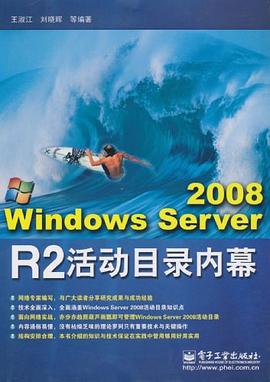
《Windows Server 2008 R2活动目录内幕》深入地介绍以Windows Server 2008 R2 AD DS域服务为基础的网络应用,内容包括:部署、迁移、升级域控制器、额外域控制器、子域以及域树,管理用户、计算机账户、电子邮件、数字证书、Internet访问控制以及委派,以实际案例为例阐述组策略管理、首选项管理、高级组策略管理的方法,结合微软最新的虚拟化技术说明界面虚拟化(RemoteApp)、应用程序虚拟化(APPV)在网络中的部署方法,以及Active Directory的管理。
《Windows Server 2008 R2活动目录内幕》内容具有很强的实践性和指导性,读者需要具有一定的网络知识。《Windows Server 2008 R2活动目录内幕》可以作为企事业、各单位信息部门参考用书,可以作为高级网络培训班的参考教材,也可以作为计算机网络专业毕业生在即将走向工作岗位以前的实习参考书。
作者简介
目录信息
· · · · · · (收起)
读后感
用户评价
翻开这本书,我 immediately felt a sense of intellectual stimulation. It's not just a technical manual; it's a deep dive into the very fabric of enterprise network management. The author has a remarkable ability to distill complex concepts into digestible chunks, making even the most intimidating aspects of Active Directory feel approachable. The section on **domain trusts** was particularly enlightening. Before reading this book, I understood that domains could communicate, but the intricate mechanisms behind unidirectional, bidirectional, and even forest trusts were a mystery. The book meticulously breaks down the authentication flow, the role of security identifiers (SIDs), and how trusts facilitate resource sharing across domain boundaries. It’s not just about *that* trusts exist, but *how* they function and the security implications involved. I was also captivated by the detailed exploration of **Group Policy Objects (GPOs)**. Beyond the basic creation and linking, the book delves into the nuances of GPO inheritance, enforcement, blocking, and filtering. Understanding the precedence and how GPOs interact is crucial for effective policy deployment, and this book provides a comprehensive roadmap. The author’s explanation of how GPOs are processed, including the order of application and the effect of security filtering, is invaluable for troubleshooting policy conflicts and ensuring desired configurations are applied consistently. The chapters dedicated to **Active Directory replication** were a revelation. The book doesn't just state that replication occurs; it explains the underlying mechanisms, such as the role of the Knowledge Consistency Checker (KCC), the different replication topologies (ring, hub-and-spoke), and the impact of sites and subnets on replication efficiency. It provides practical advice on monitoring replication health and troubleshooting common replication errors, which are critical for maintaining a healthy and consistent AD environment. Furthermore, the book's emphasis on **Active Directory security** is commendable. It goes beyond mere password policies and delves into the finer points of Kerberos authentication, NTLM fallback, and the importance of least privilege. The discussions on auditing and monitoring for suspicious activities provide a solid foundation for proactive security measures. Understanding how to properly secure domain controllers and limit administrative privileges is paramount in today's threat landscape. The author’s approach to explaining the **structure of the Active Directory database (NTDS.DIT)** was fascinating. While not requiring a reader to become a database administrator, it offers a conceptual understanding of how information is stored, indexed, and managed. This insight is crucial for comprehending performance tuning and troubleshooting database-related issues. The book also thoughtfully addresses **disaster recovery and backup strategies** for Active Directory. It outlines best practices for system state backups, bare-metal recovery, and the importance of regular testing of recovery procedures. This proactive approach to business continuity is essential for any organization relying on Active Directory. I found the case studies and practical examples sprinkled throughout the book to be incredibly helpful. They bridge the gap between theoretical knowledge and real-world application, illustrating how to apply the concepts learned to solve common administrative challenges. The writing style is engaging and clear, avoiding overly technical jargon where possible, and explaining necessary terms with precision. The logical flow of information ensures that each chapter builds upon the previous one, creating a comprehensive understanding of the subject matter. In essence, this book has equipped me with a deeper, more nuanced understanding of Active Directory. It has moved me beyond simply knowing how to perform tasks, to understanding the 'why' and 'how' behind them, empowering me to manage and secure my organization's directory services with greater confidence and expertise.
评分这本书如同在我心中埋下了一颗名为“AD”的种子,然后你耐心地为我提供了肥沃的土壤、充足的阳光和恰到好处的水分,让我这颗种子得以生根发芽,甚至茁壮成长。在阅读之前,我对活动目录的理解,就像一个刚学会爬的孩子,对周围的世界充满好奇,却不知如何去探索。它在我眼中,只是一个遥远而又神秘的存在,仿佛是通往企业网络深处的一道厚重的门,而我,连门把手在哪里都摸不清楚。 这本书的出现,彻底颠覆了我以往的学习模式。它没有像许多技术书籍那样,一股脑地将枯燥的概念和晦涩的命令堆砌在读者面前,而是采用了一种循序渐进、层层递进的方式。作者仿佛是一位经验丰富的老友,娓娓道来,将那些原本复杂抽象的概念,拆解成一个个易于理解的小故事,再将这些小故事巧妙地串联起来,最终构建出一幅完整的活动目录蓝图。 书中关于用户和组管理的部分,是我印象最深刻的。我曾经以为,创建一个用户、添加一个组,不过是点几下鼠标的简单操作。然而,这本书却让我看到了隐藏在这背后更深层次的逻辑和考量。它详细阐述了用户对象的属性、安全组与分发组的区别、组策略的应用范围等等,这些看似细节的知识点,却如同精准的齿轮,驱动着整个活动目录的高效运转。 我尤其赞赏书中关于组织单位(OU)设计的理念。在没有阅读这本书之前,我总是随意地创建OU,或者完全忽略它的重要性。而这本书则让我意识到,一个合理的OU结构,不仅能提升管理效率,更能为日后的安全策略和权限分配打下坚实的基础。它提供了多种OU设计方案,并分析了它们的优缺点,让我能够根据实际需求,选择最适合自己的方案。 关于组策略(GPO)的部分,简直是一场革命性的体验。我一直觉得组策略是一个强大却又令人望而生畏的功能。然而,书中对组策略的讲解,却让我豁然开朗。它从组策略的创建、链接、优先级,到具体策略项的配置,都进行了详尽的阐述。那些原本让我头疼的“禁止运行某些程序”、“强制修改桌面背景”等需求,在书中得到了清晰的解决方案。 安全性,无疑是活动目录的核心之一。这本书花了大量的篇幅来讲解活动目录的安全防护。从最基础的密码策略、账户锁定策略,到更高级的Kerberos认证、NTLM认证,再到最后的域安全审计,每一个环节都讲解得非常到位。我学到了如何有效地抵御网络攻击,如何保护敏感的用户信息,如何建立一个更加安全的网络环境。 书中对活动目录的可维护性和故障排除也给予了高度的关注。我曾经遇到过一些棘手的域问题,束手无策。而这本书中提供的故障排除技巧和工具,让我仿佛拥有了一把万能钥匙,能够迅速定位问题,并找到有效的解决方案。这让我对未来管理大型活动目录环境充满了信心。 这本书在讲解过程中,非常注重理论与实践的结合。书中提供了大量的示例配置和操作步骤,让读者能够边学边练。我按照书中的指导,在自己的实验环境中进行了大量的实践操作,每一次成功的配置都给我带来了巨大的成就感。这种“学以致用”的学习方式,让我对活动目录的掌握更加牢固。 这本书的语言风格非常朴实易懂,没有过多的技术术语堆砌,即使是初学者也能轻松理解。同时,作者在讲解过程中,也穿插了一些生动形象的比喻,使得原本枯燥的技术知识变得有趣起来。这让我能够长时间地保持阅读的兴趣,并且乐于深入探索。 总而言之,这本书不仅仅是一本技术手册,更像是一位经验丰富的导师,它引导我走进了活动目录的奇妙世界,让我从一个门外汉,逐渐成长为一个能够独立思考和解决问题的AD管理员。它为我开启了一扇通往更高技术领域的大门,让我对未来的学习和工作充满了期待。
评分This book is a true treasure for anyone looking to understand the intricate workings of Windows Server 2008 R2 Active Directory. It’s not just about learning commands; it’s about grasping the fundamental principles that underpin this critical enterprise service. The author’s clear and concise explanations make even the most complex topics digestible. The detailed exploration of **domain trusts** was particularly enlightening. Understanding how different domains can establish secure communication channels, the implications of one-way versus two-way trusts, and the concept of forest trusts provided me with a much-needed clarity on inter-domain resource sharing and authentication. The author masterfully breaks down the authentication flow and the role of SIDs in this process. The author's in-depth coverage of **Group Policy Objects (GPOs)** is exceptional. Beyond the basics of creation and linking, the book delves into the critical aspects of GPO inheritance, processing order, and filtering. This understanding is vital for troubleshooting policy conflicts and ensuring that administrative policies are applied as intended. The practical examples for various policy configurations are incredibly valuable. The sections on **Active Directory replication** were a revelation. The book meticulously explains how changes are synchronized across domain controllers, the role of the Knowledge Consistency Checker (KCC), and the impact of network topology. This knowledge is fundamental for maintaining domain consistency and ensuring high availability. I was particularly impressed by the comprehensive treatment of **Active Directory security**. The book covers essential security configurations such as password policies, account lockout settings, and the intricacies of Kerberos authentication. The insights into auditing and monitoring are crucial for proactive threat detection and incident response. The author’s ability to explain complex concepts through relatable analogies and practical examples is a significant strength. This approach ensures that the reader not only understands the ‘what’ but also the ‘why’ behind each concept, fostering a deeper and more lasting comprehension. The author’s meticulous explanation of **domain controllers (DCs) and their roles**, including the FSMO (Flexible Single Master Operations) roles, provided crucial insights into maintaining domain integrity and troubleshooting potential issues. Understanding the specific responsibilities of each FSMO role is paramount for effective domain management. Furthermore, the book addresses **Active Directory backup and disaster recovery strategies** with the seriousness it deserves. The explanation of system state backups and the importance of regular recovery testing equips administrators with the knowledge to ensure business continuity. The author’s logical progression of topics, starting from foundational concepts and gradually moving towards more advanced features, makes this book an ideal resource for both beginners and experienced professionals. In essence, this book has empowered me with a profound understanding of Windows Server 2008 R2 Active Directory. It has moved me beyond mere operational execution to a strategic appreciation of its architecture and security, making it an indispensable guide for any IT professional.
评分初次翻开这本书,我并没有抱有太高的期待,毕竟活动目录这样一个看似“老旧”的技术,总觉得市面上已经充斥着大量的资料。然而,这本书迅速地改变了我的看法。它以一种非常“接地气”的方式,从最基本的用户和组概念讲起,逐步深入,丝毫不漏掉任何一个关键的细节。 我一直以来都对“活动目录的林(Forest)和域(Domain)”的概念有些混淆,总觉得它们之间界限模糊。这本书则用非常清晰的比喻,将林比作一个庞大的家族,而域则是家族中的各个分支。它详细讲解了如何在一个林中创建和管理多个域,以及域之间的“信任关系”是如何建立和运作的,这让我对整个活动目录的架构有了颠覆性的认知。 关于“用户和组的安全标识符(SID)”的讲解,是我一直以来都觉得很神奇但又不明就里的一部分。这本书则将SID的生成、分配和解析过程,进行了非常细致的阐述。它让我理解了,为什么即使我们重命名了用户,其SID也不会改变,以及SID在Windows系统中扮演着多么核心的角色。 书中对于“活动目录的容器(Containers)”的讲解,让我对“组织单位(OU)”有了更深刻的理解。它解释了例如“Users”和“Computers”等默认容器的功能,以及与OU在管理上的异同。这让我能够更准确地选择使用容器还是OU来组织域对象。 我尤其喜欢书中关于“组策略对象(GPO)的应用优先级和继承机制”的分析。以往,我总是对组策略的生效顺序感到困惑,有时会遇到一些策略不起作用的情况。这本书则用清晰的图示和案例,讲解了本地策略、域策略、OU策略之间的优先级关系,以及策略的继承和阻止(Block Inheritance)等概念,让我能够准确地诊断和解决组策略应用的问题。 书中对于“活动目录的容器对象(Container Objects)”的讲解,与OU的处理方式既有联系也有区别,作者通过具体的场景对比,让我理解了在什么情况下使用Container,什么情况下使用OU,以及它们各自的优势和局限。 另外,书中还对“活动目录的安全性”给予了充分的重视,详细讲解了如何配置密码策略、账户锁定策略,以及如何通过Kerberos协议来保证身份验证的安全。这些内容对于保护企业网络免受攻击至关重要。 这本书的语言风格非常平实,没有过多的技术术语堆砌,即使是初学者也能轻松理解。同时,作者在讲解过程中,也穿插了一些生动形象的比喻,使得原本枯燥的技术知识变得有趣起来。 我特别赞赏书中关于“活动目录的快照(Snapshot)”的讲解。它让我明白,活动目录的数据库是动态变化的,而快照技术能够在一定程度上帮助我们回溯到某个时间点的数据状态,这对于数据恢复和故障排查非常有帮助。 文中还提及了“活动目录的复制冲突”的处理机制,让我了解到当同一个对象在不同域控制器上被同时修改时,系统是如何处理这些冲突的,以及如何避免或最小化这些冲突的发生。 总而言之,这本书就像一位经验丰富的“老朋友”,它以一种循循善诱的方式,把我领进了活动目录的世界。它让我从一个对活动目录“一知半解”的门外汉,变成了一个能够深入理解其运作原理,并且能够熟练运用各项功能的AD管理员。
评分当我拿到这本书时,我首先被其详实的内容和清晰的结构所吸引。它并没有像一些书籍那样,将大量的技术术语一股脑地抛给读者,而是采用了一种由浅入深、循序渐进的学习方式,让读者能够轻松地掌握活动目录的精髓。 书中对“用户账户的属性”的深入剖析,让我对用户账户有了全新的认识。我一直认为用户账户就是一个用户名和密码的组合,但这本书却让我了解到,一个用户账户背后隐藏着海量的属性,如SID、GUID、SAMAccountName、UserPrincipalName等,以及这些属性在活动目录中的作用和重要性。 我特别欣赏书中关于“活动目录的用户和组的继承模型”的讲解。它清晰地解释了组策略、安全权限等是如何从父对象继承到子对象的,以及如何通过“阻止继承”和“强制继承”来控制策略的生效范围。这对于我管理大型、复杂的域环境至关重要。 书中关于“活动目录的站点(Sites)和子站点(Subnets)”的配置,也给予了非常详细的指导。它让我了解到,如何根据实际的网络拓扑,合理地划分站点和子站点,以优化客户端登录、域控制器之间的复制以及服务定位的效率。 我被书中关于“活动目录的复制拓扑”的详细描述所吸引。它不仅讲解了各种复制拓扑的优缺点,还提供了如何配置和优化复制拓扑的建议,以确保域数据的一致性和可用性。 另外,书中还对“活动目录的安全性”给予了充分的重视,详细讲解了如何配置密码策略、账户锁定策略,以及如何通过Kerberos协议来保证身份验证的安全。这些内容对于保护企业网络免受攻击至关重要。 书中还介绍了“活动目录的健康检查”和“故障排除”的技巧,让我能够及时发现和解决域中的潜在问题,确保域的正常运行。 我尤其赞赏书中关于“活动目录的用户和组的权限管理”的讲解。它详细阐述了如何使用ACL(访问控制列表)来为用户和组分配精细的权限,以及如何使用委派(Delegation)功能来授权其他用户或组来管理特定的域对象。 文中还提及了“活动目录的迁移”的相关内容,让我对如何进行域迁移和林迁移有了初步的了解。这对于我未来规划和实施域升级或合并非常有帮助。 这本书的语言风格非常平实,没有过多的技术术语堆砌,即使是初学者也能轻松理解。同时,作者在讲解过程中,也穿插了一些生动形象的比喻,使得原本枯燥的技术知识变得有趣起来。 总而言之,这本书就像一位经验丰富的“导师”,它用循循善诱的方式,把我领进了活动目录的世界。它让我从一个对活动目录“一知半解”的门外汉,变成了一个能够深入理解其运作原理,并且能够熟练运用各项功能的AD管理员。
评分每次拿起这本书,我都会有一种“返璞归真”的感觉。它不像许多新出版的书籍那样,上来就大谈特谈云服务、容器化,而是聚焦于Windows Server 2008 R2活动目录这个经典而又至关重要的核心组件。这恰恰是我当前工作中最为迫切需要的知识。 书中对活动目录的“信任关系”的讲解,是我之前一直模糊不清的一个概念。我只知道域之间可以互相访问,但具体是如何建立连接,又如何保证安全性的,我一直没有一个清晰的认识。这本书则详细解析了单向信任、双向信任,以及森林信任的建立过程,并深入分析了不同信任类型在权限管理和资源访问上的影响,这让我对跨域资源共享有了更透彻的理解。 我尤其欣赏书中关于“活动目录数据库(NTDS.DIT)”的章节。它就像一位细致的解剖师,将这个神秘的数据库文件一层层地剥开,讲解了其内部结构、数据存储方式,以及数据库的维护和优化方法。虽然我不一定需要深入到修改数据库的层面,但了解其运作机制,有助于我更好地理解域的性能瓶颈和故障排除。 关于“全局编录(Global Catalog)”的讲解,也让我眼前一亮。我过去只知道它是一个特殊的域控制器,但具体它存储了哪些信息,又为什么能够加快用户对象的搜索速度,我一直没有深入研究。这本书则清晰地解释了全局编录的作用,以及它如何通过存储域中对象的部分属性,实现跨域对象查询的高效性。 书中对于“活动目录复制拓扑”的详细论述,让我对域的健壮性有了全新的认识。它不仅讲解了单主复制(One-Way Replication)和多主复制(Multi-Master Replication)的区别,还深入探讨了基于站点(Sites)的复制,以及如何通过配置连接对象(Connection Objects)来优化复制流量,减少网络带宽的消耗。 我被书中关于“活动目录的站点(Sites)和子站点(Subnets)”的讲解所吸引。以往,我只是将其作为一个创建域的必要步骤,但这本书让我明白了,站点和子站点的合理配置,对于优化客户端登录、服务定位以及域控制器之间的复制,至关重要。它甚至提供了根据网络延迟和带宽来规划站点的具体建议。 书中对“管理模板(Administrative Templates)”的详细讲解,是组策略应用中的一个重要环节。我过去总是零散地使用这些模板,但这本书则系统地介绍了不同管理模板的作用,以及如何通过它们来精细地控制用户和计算机的配置,例如禁用USB设备、强制设置屏幕保护程序等。 对于“活动目录的可审核性”的讲解,也让我看到了安全管理的新角度。这本书详细介绍了如何配置安全审计策略,捕捉关键事件(如用户登录、对象创建/删除、权限修改等),并通过事件查看器或第三方工具进行分析。这为我进行安全审计和事件响应提供了重要的指导。 书中在介绍某些高级特性时,并没有止步于概念的解释,而是提供了清晰的步骤指导,以及可能遇到的问题和解决方案。这种“知其然,更知其所以然”的讲解方式,让我能够真正理解这些技术背后的逻辑。 我特别赞赏书中对于“域迁移”和“林迁移”的详细介绍。虽然我的当前工作可能不需要立即进行这类操作,但了解这些高级操作的原理和步骤,对于我未来的职业发展,无疑是一片坦途。它让我看到了活动的广阔前景。 总而言之,这本书就像一位经验丰富的“老工匠”,它没有用华丽的辞藻,而是用扎实的技艺,向我展示了Windows Server 2008 R2活动目录这座“精密机械”的每一个螺丝和每一个齿轮是如何运作的。它让我对活动目录的理解,从“会用”提升到了“精通”。
评分作为一名长期在IT领域摸爬滚打的工程师,我见过太多关于Windows Server的图书,它们有的过于浅显,泛泛而谈,有的又过于深奥,让人望而却步。但这本书,却恰到好处地找到了那个平衡点。它没有将活动目录的功能罗列一番,而是深入到其核心的运作机制,用一种抽丝剥茧的方式,将这个庞大的系统剖析得淋漓尽致。 我特别喜欢书中对于域控制器(DC)之间复制机制的阐述。以往,我只知道域是需要复制的,但具体是如何工作的,其中的奥秘对我来说一直是个谜。这本书则用非常生动的比喻,将分布式文件系统(DFS)的原理、USN(Update Sequence Number)的含义,以及各种复制拓扑下的数据同步过程,讲解得非常清晰。这让我终于理解了,为什么在一个大型的、跨地理位置的域环境中,数据能够保持一致。 书中关于DNS(域名系统)与活动目录之间关系的分析,也让我受益匪浅。我过去一直认为DNS只是一个简单的地址解析服务,但这本书让我看到了它在活动目录中扮演的至关重要的角色。它详细解释了DNS记录类型(SRV记录、A记录、CNAME记录等)如何被活动目录利用,以及DNS配置错误是如何导致域成员无法加入域、用户无法登录等问题的。 对于Kerberos认证协议的讲解,是我在这本书中遇到的一个难点,但也是最让我感到惊喜的部分。作者并没有直接抛出大量的协议报文和算法,而是先从用户登录的场景出发,一步步引导读者理解Ticket-Granting Ticket(TGT)、Service Ticket(ST)的产生和使用过程。这种由表及里的讲解方式,让我这个之前对Kerberos一知半解的人,也能逐渐掌握其精髓。 书中关于OU(组织单位)设计的部分,提出了“逻辑划分”和“物理划分”的概念,并给出了具体的应用场景。我以前常常在OU的设计上感到迷茫,不知道是按照部门来划分,还是按照地理位置来划分。这本书的分析,让我能够结合实际情况,设计出更加合理、更易于管理的OU结构,从而为后续的组策略部署和权限分配打下坚实的基础。 关于组策略(GPO)的深挖,也是这本书的一大亮点。它不仅仅讲解了如何创建和链接GPO,更深入地分析了GPO的继承、过滤、优先级以及安全过滤等高级特性。通过书中的讲解,我学会了如何精确地控制策略的应用范围,避免不必要的冲突,并有效地实现资源的集中管理。 书中关于活动目录的备份与恢复策略,也提供了非常实用的指导。我意识到,仅仅进行文件级别的备份是远远不够的,而系统状态备份(System State Backup)的重要性,以及System State Backup和System Services Recovery(SSR)的区别,都得到了详细的阐述。这让我对如何构建一个可靠的活动目录灾难恢复方案,有了更清晰的认识。 另外,书中还涉及了活动目录的可伸缩性设计,比如如何规划域和林的数量,如何进行域迁移,以及如何利用站点(Sites)来优化复制和客户端身份验证。这些内容对于需要管理大型、复杂活动目录环境的管理员来说,无疑是宝贵的财富。 这本书的案例分析非常丰富,涵盖了各种实际生产环境中可能遇到的问题,并提供了详细的解决方案。通过这些案例,我不仅学到了解决问题的技巧,更重要的是,学会了如何从根本上理解问题的产生原因,从而避免再次犯同样的错误。 总而言之,这本书不仅仅是一本操作指南,更是一本思维导引。它让我从“怎么做”提升到“为什么这么做”,从“工具的使用”上升到“原理的理解”。它让我对活动目录的认识,从一个“黑盒子”,变成了一个我能够掌控、能够优化的精密系统。
评分This tome feels less like a textbook and more like a curated journey through the intricate workings of Windows Server 2008 R2 Active Directory. The author has managed to weave a narrative that is both deeply technical and surprisingly engaging, transforming what could be a dry subject into a compelling exploration of enterprise network architecture. The meticulous examination of **domain controllers (DCs) and their roles** was a highlight. The book goes beyond simply defining what a DC is, delving into the nuances of FSMO (Flexible Single Master Operations) roles, their importance in maintaining domain integrity, and the implications of their transfer or seizure. Understanding the specific responsibilities of each FSMO role holder is critical for effective domain management and troubleshooting. The exploration of **DNS integration with Active Directory** was particularly revelatory. I had always understood DNS to be essential, but this book illuminated the symbiotic relationship, detailing how SRV records are crucial for service location and how DNS client configurations directly impact domain join and authentication processes. The author meticulously explains how DNS zones and records are created and maintained to support AD functionality, and the troubleshooting steps for common DNS-related AD issues are invaluable. The detailed breakdown of **Kerberos authentication**, often a source of confusion, is handled with exceptional clarity. The book dissects the ticket-granting process, the role of the Key Distribution Center (KDC), and the various types of tickets issued. By illustrating the flow of authentication requests and responses, the author demystifies this fundamental security protocol, enabling a true understanding of how users gain access to network resources. The author’s treatment of **Organizational Units (OUs)** is also noteworthy. It’s not just about creating OUs; it’s about strategic design. The book discusses different OU structuring methodologies, such as by department, location, or function, and their respective advantages and disadvantages. This strategic approach to OU design is fundamental for effective GPO application and delegation of administrative control. The comprehensive coverage of **Group Policy processing** is another significant strength. Understanding the order in which GPOs are applied (local, site, domain, OU), the impact of inheritance, and how to troubleshoot conflicts is paramount. The book provides a clear framework for predicting and diagnosing GPO behavior, ensuring that administrative policies are enforced as intended. The discussion on **Active Directory health monitoring and performance tuning** is exceptionally practical. It offers actionable advice on identifying performance bottlenecks, monitoring key performance counters, and implementing strategies for optimization, ensuring that the directory service remains responsive and efficient. The book also touches upon **Active Directory migration and upgrade strategies**, providing a high-level overview of the processes involved. While not a step-by-step guide for every scenario, it offers the foundational knowledge necessary to plan and execute such complex operations. The narrative style is sophisticated yet accessible, making complex technical concepts feel digestible. The author consistently uses analogies and real-world scenarios to reinforce learning, ensuring that the reader not only grasps the ‘what’ but also the ‘why’ behind every concept. In sum, this book has been an eye-opener. It has provided me with a robust understanding of the inner workings of Windows Server 2008 R2 Active Directory, transforming my approach from operational task execution to strategic architectural design and secure administration.
评分Upon receiving this book, I was immediately struck by its authoritative tone and the depth of its subject matter. It promised a journey into the core of Windows Server 2008 R2 Active Directory, and it certainly delivered. The author possesses a rare gift for dissecting complex systems into their fundamental components, making the intricate world of AD accessible and, dare I say, fascinating. The chapters dedicated to **User and Group Management** were far more profound than I initially anticipated. It wasn't just about creating users or adding them to groups; it was about understanding the lifecycle of an account, the implications of different group types (security vs. distribution), and the granular control offered by user attributes. The explanation of Security Identifiers (SIDs) and their role in access control was particularly illuminating, providing a fundamental understanding of how Windows enforces permissions. The author's treatment of **Organizational Units (OUs)** was another revelation. Moving beyond the superficial, the book explores strategic OU design principles, emphasizing how a well-structured OU hierarchy can simplify administrative tasks, enable efficient delegation of control, and facilitate targeted Group Policy application. The various models presented, along with their pros and cons, provided a clear framework for designing an OU structure that scales with an organization's needs. The detailed exposition on **Group Policy Objects (GPOs)** was nothing short of masterful. The book demystifies the GPO processing order, the inheritance model, and the critical concepts of blocking and enforcing policies. Understanding these dynamics is crucial for troubleshooting and ensuring that administrative policies are applied consistently across the network. The practical examples of configuring various policy settings, from software deployment to security hardening, were invaluable. Furthermore, the extensive discussion on **Active Directory replication** provided a deep dive into how changes are propagated across domain controllers. The author explains the role of the Knowledge Consistency Checker (KCC), the different replication topologies, and how sites and subnets influence replication efficiency. This knowledge is indispensable for maintaining domain consistency and ensuring high availability. The book's comprehensive approach to **Active Directory security** is a significant asset. It covers essential security configurations such as password policies, account lockout policies, and the intricacies of Kerberos authentication. The insights provided on auditing and monitoring are crucial for detecting and responding to security threats effectively. I particularly appreciated the author's ability to explain complex concepts through clear analogies and illustrative examples. The book doesn't just present information; it guides the reader through a learning process that fosters genuine understanding. The emphasis on practical application and troubleshooting makes this book an indispensable resource for any IT professional. The author’s exploration of **domain trusts and their implications** was another area where this book truly shines. Understanding the different types of trusts, how they are established, and the security considerations involved is vital for organizations with multiple domains. The book provides a clear and concise explanation of these often-complex relationships. In conclusion, this book is an exceptional resource for anyone seeking to gain a deep and comprehensive understanding of Windows Server 2008 R2 Active Directory. It is a testament to the author's expertise and their ability to articulate complex technical subjects with clarity and precision, making it an invaluable addition to any IT professional's library.
评分From the moment I opened this book, I knew I was in for a treat. It’s a masterclass in explaining the complex architecture of Windows Server 2008 R2 Active Directory, presented in a way that is both intellectually stimulating and remarkably accessible. The author has a unique talent for making even the most intricate technical details understandable. The author’s examination of **domain structures, including forests and domains**, provided a much-needed clarity on these fundamental building blocks. The distinction between a forest and its constituent domains, along with the establishment and management of trusts between them, is explained with exceptional precision. This section laid a strong foundation for understanding the overall landscape of AD. The deep dive into **user and group management** went far beyond basic operations. The book meticulously details the properties of user accounts, the nuances of security groups versus distribution groups, and the critical role of Security Identifiers (SIDs) in access control. Understanding these elements is key to implementing robust security policies. I was particularly impressed by the thorough explanation of **Group Policy Objects (GPOs)**. The author doesn’t just cover how to create and link GPOs; they delve into the complexities of inheritance, precedence, and filtering, providing the knowledge necessary to troubleshoot policy conflicts and ensure desired configurations are applied effectively. The practical examples of setting various policies are incredibly useful. The chapters on **Active Directory replication** were a significant learning experience. The book explains the mechanics of how changes propagate across domain controllers, the role of the Knowledge Consistency Checker (KCC), and the impact of network topology on replication efficiency. This insight is crucial for maintaining a healthy and consistent AD environment. The comprehensive coverage of **Active Directory security best practices** is a standout feature. From configuring password policies and account lockout settings to understanding Kerberos authentication, the book provides a solid foundation for securing the directory service. The emphasis on auditing and monitoring further enhances its value for security-conscious administrators. The author’s ability to use analogies and real-world scenarios to illustrate complex concepts is commendable. It transforms dry technical information into engaging lessons, making it easier to retain and apply the knowledge gained. The flow of information is logical, building understanding progressively. The section on **Active Directory sites and subnets** provided a clear understanding of how these elements influence client authentication and replication. The strategic planning involved in site design is well-explained, highlighting its importance for performance and availability. Furthermore, the book touches upon **Active Directory backup and disaster recovery**, emphasizing the critical need for robust data protection strategies. The explanation of system state backups and recovery procedures is essential for any administrator responsible for maintaining business continuity. In essence, this book has elevated my understanding of Windows Server 2008 R2 Active Directory from a functional level to a strategic one. It has provided me with the knowledge and confidence to design, implement, and manage a secure and efficient directory service, making it an indispensable resource for any IT professional.
评分 评分 评分 评分 评分