具体描述
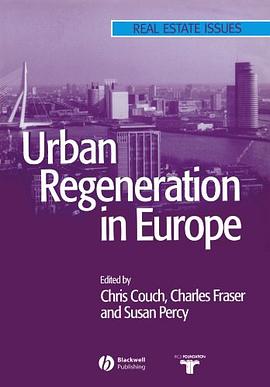
Urban regeneration is a key focus for public policy throughout Europe. This book examines social sustainability and analyses its meaning and significance – an area of research which has, until now, been comparatively neglected. The authors offer a comprehensive European perspective to identify best practice in sustainable urban regeneration in five major cities in Spain, Italy, Netherlands, Germany, and the UK. Urban Regeneration & Social Sustainability: best practice from European cities examines the extent to which social sustainability is incorporated within urban regeneration projects in the EU, but also investigates how local authorities, developers, investors and other key stakeholders approach sustainability. The book covers the recent economic recession and the growth of responsible investment (RI) and corporate responsibility (CR) agendas of investors and developers. It also provides a thorough analysis of the current metrics and tools used by the public, private and NGO sectors to implement, measure and monitor social sustainability. A range of urban regeneration models and vehicles are reviewed, with a particular emphasis on public private partnerships (PPPs) and EU structural funds, and a new framework for assessing social sustainability is described. City-specific case studies examine regeneration projects in which institutional arrangements, financial products and tools, monitoring and measurement systems for social sustainability and stakeholders’ participation in PPPs have delivered successful urban regeneration. This comprehensive, systematic and authoritative overview of both the scholarly literature and current best practice across Europe makes the book essential reading for researchers and post-graduate students in sustainable development, real estate, geography, urban studies and urban planning, as well as consultants and policy advisors in urban regeneration and the built environment. Provides a comprehensive European perspective, comparing case studies across five cities and identifying best practice in sustainable urban regeneration by focusing on social sustainability Defines and shows how social sustainability (a key aspect in sustainable development) can be assessed, measured and monitored within urban regeneration projects Takes a real estate ‘institutional’ focus by examining the role of key stakeholders within the property development industry and the public sector Examines detailed studies of urban regeneration projects in Spain (Sant Adria de Besos), Italy (Turin), Netherlands (Rotterdam), Germany (Leipzig), and the UK (Cardiff) Sets the research in the context of the recent economic recession and the growth of responsible investment (RI) and corporate responsibility (CR) agendas of investors and developers Is based on a major three year independent, funded programme of research through the European Investment Bank’s EIBURS programme. "Regeneration is a difficult task with multiple ambitions and multiple problems. This book manages successfully to draw lessons from a series of case studies to bring out lessons for the slippery concept of social sustainability which will help guide practitioners both in setting up programmes and in monitoring their success."
—Bridget Roswell, Chief Economic Adviser, Greater London Authority "The social sustainability agenda is complex and will be instrumental in shaping the future development of our cities and towns over the coming decades. This book, in drawing together the knowledge base on the subject through generic considerations and best practice examples is a major contribution in raising the level of debate on the understanding and interpretation of social sustainability."
—Stanley McGreal, Director of the Built Environment Research Institute, University of Ulster; Plus Bill Boler, Steve Rayner, Bridget Rosewell, Michael Parkinson and Pooran Desai. Urban regeneration is a key focus for public policy throughout Europe. This book examines social sustainability and analyses its meaning and significance – an area of research which has, until now, been comparatively neglected. The authors offer a comprehensive European perspective to identify best practice in sustainable urban regeneration in five major cities in Spain, Italy, Netherlands, Germany, and the UK. Urban Regeneration & Social Sustainability: best practice from European cities examines the extent to which social sustainability is incorporated within urban regeneration projects in the EU, but also investigates how local authorities, developers, investors and other key stakeholders approach sustainability. The book covers the recent economic recession and the growth of responsible investment (RI) and corporate responsibility (CR) agendas of investors and developers. It also provides a thorough analysis of the current metrics and tools used by the public, private and NGO sectors to implement, measure and monitor social sustainability. A range of urban regeneration models and vehicles are reviewed, with a particular emphasis on public private partnerships (PPPs) and EU structural funds, and a new framework for assessing social sustainability is described. City-specific case studies examine regeneration projects in which institutional arrangements, financial products and tools, monitoring and measurement systems for social sustainability and stakeholders' participation in PPPs have delivered successful urban regeneration. This comprehensive, systematic and authoritative overview of both the scholarly literature and current best practice across Europe, makes the book essential reading for researchers and post-graduate students in sustainable development, real estate, geography, urban studies and urban planning, as well as consultants and policy advisors in urban regeneration and the built environment.
作者简介
目录信息
读后感
用户评价
这本关于城市更新和社会可持续性的著作,其对城市规划理念的探讨无疑具有深刻的洞察力。我从阅读中感受到的,首先是一种宏大叙事下的细节捕捉能力。作者并未满足于泛泛而谈的理论框架,而是深入剖析了不同城市在推进“再生”过程中所遭遇的结构性矛盾。例如,书中对于历史街区保护与现代商业开发的张力分析得尤为精妙,它不仅仅是简单的二元对立,而是展示了如何在利益相关者复杂交织的网络中寻求一种动态平衡。特别是关于“社会资本”的构建部分,作者引用了大量案例研究,说明了社区参与度如何直接影响到更新项目的长期绩效,避免了许多官方规划中常见的“自上而下”的僵硬模式。读完这部分内容,我开始重新审视自己所处的城市环境,那些看似固化的空间布局背后,其实蕴含着无数未被充分释放的社会活力,而这本书恰恰为如何激活这些潜力提供了清晰的路线图。这种强调人文关怀和社区韧性的视角,在当前追求效率至上的城市化浪潮中,显得尤为珍贵和及时。它促使我们思考,一个真正“可持续”的城市,绝不只是节能减排的绿色建筑堆砌,更是人与人之间和谐共存的复杂有机体。
评分这本书最令人眼前一亮的地方,在于其对未来城市形态的哲学性预见。它不仅仅是对当前挑战的梳理,更是一次对“宜居性”未来定义的深刻反思。作者并没有简单地拥抱高科技带来的便利,反而对“智能城市”中潜在的监控风险和社会原子化倾向提出了尖锐的质疑。他描绘了一种理想的未来图景:一个技术服务于人,而非人被技术异化的城市。这种审慎的态度,在当前普遍存在的“技术乐观主义”思潮中显得尤为可贵。书中对“共享空间”和“时间维度上的可持续性”的探讨,极大地拓宽了我的视野。它不再将城市视为一个静止的实体,而是一个不断流变、充满生命力的过程。阅读这本书,就像获得了一副新的透镜,让我能够穿透日常的喧嚣,看到城市肌理深处那些关于权力、归属感和未来愿景的暗流涌动。它迫使读者从一个“居住者”的角色,提升到“共同塑造者”的高度,充满了启迪性与使命感。
评分从实践操作的角度来看,这本书的实用价值远超我的预期。许多关于城市更新的文献往往停留在理论层面,留给读者的往往是“知道了,但不知如何做”的困惑。然而,这本书的后半部分提供了一套相当系统化的评估框架和指标体系,专门用于衡量社会效益而非单纯的经济回报。它提供了一系列可操作的工具,比如如何设计有效的公众咨询流程,如何构建跨部门协作的治理结构,甚至是如何利用新兴技术(如GIS和社交媒体数据)来实时监测社区情绪变化。书中对“韧性城市”概念的阐释尤为扎实,它不仅探讨了应对气候变化等外部冲击的能力,更关注城市内部社会结构面对经济衰退或人口结构变化时的自我修复能力。对我而言,最受启发的是关于“渐进式更新”的讨论,它提供了一种替代“大拆大建”的温和路径,强调在不打断现有社区肌理的前提下,进行小规模、高频率的改进。这显示出作者对现实约束有着深刻的理解,而非空谈理想。
评分我必须承认,初读此书时,那种严谨的学术语境让我略感吃力,但一旦适应了作者的论证节奏,便会被其逻辑的严密性所折服。本书在方法论上的创新性尤为突出,它巧妙地将社会学中的网络分析方法引入到城市地理学的范畴,成功地量化了“社会公平”这一抽象概念。其中关于“空间正义”的章节,对我触动极大。作者通过对不同收入群体在城市核心区可达性的统计分析,揭示了隐性的歧视是如何通过基础设施的配置被固化下来的。这种基于数据的、不带感情色彩的批判,比任何激烈的口号都更有力量。它迫使读者直面城市发展中那些不光彩的角落——那些被边缘化的社区,那些被忽视的公共空间。更进一步说,书中对“代际公平”的关注也值得称赞,它提醒我们,今天的决策不仅要服务于当下,更要为后代的居住环境负责。这种超越短期政治周期的长远眼光,正是优秀城市治理所稀缺的品质。这本书不是一本轻松的读物,但它无疑是为那些真正关心城市未来命运的决策者和学者准备的深度工具箱。
评分这本书的叙事风格非常具有感染力,它成功地打破了传统城市研究中那种刻板、枯燥的报告腔调。作者似乎有一种天赋,能够将那些复杂的、充满摩擦力的社会互动,描绘得如同精彩的戏剧一般引人入胜。我特别欣赏书中穿插的那些“微观叙事”——选取了几个典型城市案例,以第一人称的视角,讲述了在具体项目推进中,社区领袖、规划师、开发商之间如何进行博弈和妥协。这些鲜活的个体故事,为冰冷的统计数字注入了血肉和温度。例如,书中描述的一个老旧市场转型项目,如何因为一位坚持保留传统摊位布局的店主而几经波折,最终反而因为这种“不完美”而赢得了市民的广泛认同,就是一个极佳的范例。这种对“地方感”的执着维护,远比那些千篇一律的玻璃幕墙更能体现一个城市的灵魂。这本书的价值在于,它让我们看到了“可持续性”并非是规划师在图纸上画出的直线,而是在无数次妥协、冲突和理解中挣扎出的复杂曲线。
评分 评分 评分 评分 评分