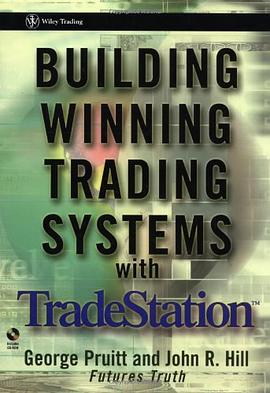
具体描述
A detailed look at one of the most underestimated aspects of trading-selling In The New Sell and Sell Short, Second Edition, Dr. Alexander Elder explains how to exit a stock at the right time and how to initiate a short position to profit from a stock that is showing weakness. Often overlooked, selling properly enables a trader to cut losses and maximize profits. Moreover, short selling in a weak market can generate big profits and should be a part of every trader's arsenal of tools. The new edition contains numerous examples of short selling stocks from the 2008-2009 bear market, demonstrating very clearly why traders do themselves a disservice by only focusing on the long side. In addition, the new edition contains an extensive study guide to help readers master the material prior to trading. Elder shares real-world examples that show how to manage your positions by adjusting your exit points as a trade unfolds. Contains new examples and insights from the 2008-2009 market meltdown Includes an extensive study guide with 115 questions and answers and 17 chart studies Discusses the selling process from a variety of angles: technical, fundamental, and psychological Explains how to maximize winnings in a profitable trade and how to minimize losses when a trade doesn't go as planned Offers detailed guidance for traders of stocks, financial futures, commodities, and currencies Explains how to set profit targets and stop-loss orders prior to entering any trade Other bestselling titles by Elder: Trading for a Living, Come Into My Trading Room, and Entries and Exits Understanding where and when to sell is essential to successful trading. The New Sell and Sell Short, Second Edition is the definitive reference to this overlooked, but vitally important, aspect of trading.
Q&A with the Author
Author Dr. Alexander Elder Your books are considered “must reads” for traders. What will those who read your previous work gain from The New Sell and Sell Short ? Selling to take a profit is the crowning moment of a trade. Selling to cut a small loss before it becomes a big and hurtful loss is a hallmark of a serious trader. My new book focuses on how to make those essential decisions. In trading, like in chess, there are completely different strategies for the beginning, the middle, and the endgame. I thought people needed a resource for handling the crucial conclusion of every trade. In addition, I added a major new section to this expanded edition of the original book – The Lessons of the 2007-2009 Bear Market. Markets are cyclical in nature, and we can learn a lot from the latest major bear. Readers should be prepared when the next bear comes around as it always does. What are the most significant challenges traders face in exiting long positions? Exiting a winning trade means cutting off the possibility of more profit. The power word in trading, just like in life in general, is ‘Enough.’ Endlessly reaching for more means letting a winning trade turn into a loss. My book offers several tools for deciding what is enough under different market conditions. Exiting a losing trade means giving up hope. In the markets, hope is an expensive business. Old traders say ‘if you hope, you’re a dope.’ Each trade requires a firm stop, and my book shows how and where to place them. What do traders who previously always traded from the long side need to understand when they decide to try short-selling? Markets go down about twice as fast as they rise. It takes buying to put the stocks up, but they fall, and fall hard, of their own weight. Profits come faster in short-selling, but so do losses. A short-seller needs an iron discipline – there is no room for hope that the market will reverse. Each trade requires three numbers: an entry point, a profit target, and a stop. You must place a stop and a profit target as soon as you enter into a short trade. Do you think the “boom and bust” patterns of the financial markets in recent years will continue? I think the markets have speeded up in recent years, reflecting the general speeding up of events in Western societies. Traders have a much better handle on risk, while long-term investing has become incredibly risky due to heightened volatility. I hope that my new book will help even long-term investors to implement the best practices of traders – take profits, cut losses, and benefit from price declines.
作者简介
目录信息
读后感
用户评价
我是在朋友的强烈推荐下开始读的,他只说了一句:“这本书会让你对‘赚钱’这件事产生深刻的敬畏。”读完后我完全理解了这句话的分量。这本书的真正价值在于它对“信任”在现代金融体系中所扮演角色的解构。它展示了,当信任的链条断裂时,那些看似坚不可摧的金融大厦是如何在一夜之间化为齑粉的。作者的洞察力令人胆寒,他似乎能看穿那些华丽的财务报表背后隐藏的结构性缺陷。更重要的是,它提供了一种非常务实的“反脆弱性”思维。我感觉自己仿佛被作者带到了一座巨大的、不断旋转的金融迷宫中央,而他递给我的,不是地图,而是一盏能照亮当前脚下路径的灯。这本书不鼓励盲目冒险,它鼓励的是深刻的反思,是在喧嚣的市场噪音中,找到属于自己的、安静的、基于逻辑的立足点。它是一剂猛药,让你对这个行业产生敬畏,并因此变得更加强大和审慎。
评分这本书的标题《The New Sell and Sell Short》听起来就充满了那种老派华尔街的精明劲儿,但读完之后,我得说,它给我的感受远不止于此。它更像是一本关于人性、市场心理以及如何在不确定的世界中保持清醒的深度剖析。我本来期待能读到一些最新的、关于高频交易或者量化策略的干货,毕竟名字里带着“New”嘛。结果呢,作者花了大量的篇幅去探讨“做空”背后的哲学意义,以及市场参与者在面对泡沫和崩溃时的那种集体失语状态。特别是书中关于信息不对称如何被权力结构固化,以及普通投资者如何在这种结构中被不断边缘化的论述,真是让人脊背发凉。我印象最深的是一个案例分析,讲述了一个看似无懈可击的投资神话是如何在内部信息开始泄漏时,从神坛上迅速跌落的,整个过程的描写细致入微,让你感觉自己就像是坐在法庭上,目睹着谎言的层层剥落。作者没有给出简单的“买入”或“卖出”的指导,而是提供了一套审视市场行为的全新框架,这比任何一本技术手册都来得更有价值。它迫使你去质疑那些被包装得光鲜亮丽的投资叙事。
评分我对这本书的阅读体验是极其矛盾的,因为它完全颠覆了我对“如何致富”这类书籍的固有认知。我本来是抱着学习如何更激进地进行资本运作的心态翻开的,结果却被拉进了一个对市场本质的哲学思辨之中。作者的叙事风格极其冷静,甚至有些冷酷,仿佛他站在一个超越时间和周期的位置上,俯瞰着人类自欺欺人的金融游戏。书中关于“预期管理”的部分尤其精彩,它不是教你如何管理自己的预期,而是揭示了那些市场操纵者是如何系统性地、近乎艺术般地去塑造公众的集体预期,直到那个预期的崩塌成为最完美的收割时机。这种描述方式,与其说是一本金融读物,不如说是一部关于社会工程学的教科书。我发现自己经常需要停下来,喝口水,整理一下思路,因为作者抛出的每一个观点都像是一根尖锐的针,刺破了我们习以为常的金融泡沫。它没有提供快速致富的捷径,反而让你认识到,在金融世界里,慢就是快,而理解“不确定性”本身,才是最终的确定性。
评分这本书的文字密度简直令人发指,每一句话似乎都承载了三层以上的含义。我感觉自己不是在阅读,而是在进行一场高强度的智力马拉松。我最欣赏的不是它对金融工具的阐述,而是它如何巧妙地将经济学与人类行为学、伦理学融合在一起。它探讨了“贪婪”和“恐惧”在不同历史周期中的表现形式变迁,并指出,虽然表象变了,但底层驱动力从未改变。书中关于“系统性风险”的定义,彻底刷新了我的认知,它不再仅仅是资产负介的错配,而是一种文化和认知上的集体偏执。作者用了一种近乎文学性的语言来描述冰冷的金融数据,使得那些枯燥的统计模型变得鲜活且充满戏剧张力。我不得不承认,有些章节我需要反复阅读三四遍才能完全理解其深层逻辑,但这绝对是值得的投入。它提供的不是预测市场,而是理解市场运行法则的“底层代码”。
评分说实话,这本书的阅读门槛相当高,如果你是那种只想看看K线图怎么画,明天哪个板块要涨停的读者,你可能会感到非常失望甚至愤怒。因为它拒绝迎合主流的“成功学”叙事。我花了很大力气去消化其中关于博弈论和信息论在市场行为中的应用,尤其是作者对“羊群效应”如何从心理学层面演变为经济学层面的强制执行机制的探讨,简直是教科书级别的分析。那些描述市场情绪高涨时,理性是如何被迅速抛弃的场景,栩栩如生,让人联想到历史上的几次大萧条。我尤其欣赏作者在描述那些看似无懈可击的“新金融工具”时所流露出的那种深刻的怀疑态度。他没有直接抨击,而是通过精密的逻辑推导,展示了这些工具在极端压力下的脆弱性。读完之后,我对任何看起来过于完美的投资机会都多了一层警惕心,这是一种宝贵的、用时间换来的智慧。这本书更像是给那些已经在牌桌上坐了很久,开始对牌局本身产生疑问的资深玩家准备的。
评分以交易为生II的英文版
评分以交易为生II的英文版
评分以交易为生II的英文版
评分以交易为生II的英文版
评分以交易为生II的英文版