
具体描述
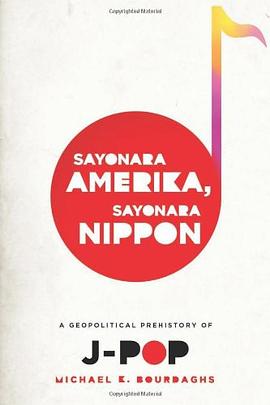
From the beginning of the American Occupation in 1945 to the post-bubble period of the early 1990s, popular music provided Japanese listeners with a much-needed release, channeling their desires, fears, and frustrations into a pleasurable and fluid art. Pop music allowed Japanese artists and audiences to assume various identities, reflecting the country’s uncomfortable position under American hegemony and its uncertainty within ever-shifting geopolitical realities.
In the first English-language study of this phenomenon, Michael K. Bourdaghs considers genres as diverse as boogie-woogie, rockabilly, enka, 1960s rock and roll, 1970s new music, folk, and techno-pop. Reading these forms and their cultural import through music, literary, and cultural theory, he introduces readers to the sensual moods and meanings of modern Japan. As he unpacks the complexities of popular music production and consumption, Bourdaghs interprets Japan as it worked through (or tried to forget) its imperial past. These efforts grew even murkier as Japanese pop migrated to the nation’s former colonies. In postwar Japan, pop music both accelerated and protested the commodification of everyday life, challenged and reproduced gender hierarchies, and insisted on the uniqueness of a national culture, even as it participated in an increasingly integrated global marketplace.
Each chapter in Sayonara Amerika, Sayonara Nippon examines a single genre through a particular theoretical lens: the relation of music to liberation; the influence of cultural mapping on musical appreciation; the role of translation in transmitting musical genres around the globe; the place of noise in music and its relation to historical change; the tenuous connection between ideologies of authenticity and imitation; the link between commercial success and artistic integrity; and the function of melodrama. Bourdaghs concludes with a look at recent Japanese pop music culture.
作者简介
Michael K. Bourdaghs is associate professor of modern Japanese literature at the University of Chicago. He is the author of The Dawn That Never Comes: Shimazaki Tōson and Japanese Nationalism and a translation editor of Natsume Sōseki’s Theory of Literature and Other Critical Writings and Kamei Hideo’s Transformations of Sensibility: The Phenomenology of Meiji Literature.
目录信息
读后感
用户评价
《Sayonara Amerika, Sayonara Nippon》这个书名,在我脑海中勾勒出了一幅充满矛盾和张力的画面。我想象着,这或许是一部关于身份认同的探讨,关于一个人,或一群人在跨越国界、跨越文化边界时,所经历的迷茫与挣扎。当一个人离开“Amerika”,走向“Nippon”,或者反之,他/她身上会承载着怎样的过往?又会带着怎样的期许?“Sayonara”不仅仅是一个词语,它更像是一个标志,一个分水岭,将过往与未来,熟悉与陌生,清晰地分隔开来。我猜测,书中可能涉及到移民、留学、或是跨国婚姻等题材,那些在两个文化土壤之间生根发芽,又不得不面对“告别”的现实。我想象着,作者会如何刻画人物内心的冲突,那些根深蒂固的文化习俗与外来价值观的碰撞,最终又如何演变成一种新的融合,抑或是难以调和的裂痕。这本书名,让我感到一种强烈的预感,它将是一次深入人心的情感之旅,一次对“何以为家”的深刻追问,一次关于告别过去、拥抱未来的沉思。
评分读完《Sayonara Amerika, Sayonara Nippon》的初印象,脑海中回荡着一种难以言喻的史诗感。书名,宛如一场盛大而又私密的告别仪式,将两个截然不同的世界并置。我无法想象,在作者的笔下,这两个世界的“告别”会是怎样一番景象。是历史洪流中的无奈,还是个人选择的必然?是东方对西方的憧憬破灭,还是西方对东方的误解终结?我猜测,书中可能描绘了时代的巨变,那些曾经紧密相连,又在历史的车轮下渐渐疏远的国度。或许,它记录了在某个特定时期,两国之间复杂而微妙的关系,那些政治、经济、文化上的潮起潮落,如同海浪般拍打着时代的礁石。而“Sayonara”这个词,又不仅仅是简单的再见,它饱含了太多东方文化的婉约与含蓄,一种深深的留恋,一种不舍的牵挂。我想,作者一定在这本书中,用极其细腻的笔触,去捕捉那些转瞬即逝的情感,那些在历史风云变幻中,个体所经历的沧桑。它可能是一部关于时代变迁的宏大叙事,也可能是关于个体在历史洪流中,如何寻找自身定位的深刻反思。
评分《Sayonara Amerika, Sayonara Nippon》这个书名,在我脑海中激荡起一阵涟漪。它自带一种宿命感,一种历史的厚重感,又夹杂着个人的情愫。我想象着,这或许是一段关于两个国家,或者说两个民族之间,在某个特殊历史时期,关系变化的缩影。从最初的接触、了解,到后来的融合、疏离,再到最终的“告别”,这其中一定充满了无数的故事和细节。我不禁猜测,作者会如何用宏大的笔触,去描绘这种宏观层面的变化,同时又如何捕捉到个体在时代洪流中的渺小与挣扎。书名中的“Sayonara”,既是对过去的挥手,也可能是对未来的期盼,亦或是对未知的不安。它让我联想到那些曾在美国学习、工作,又选择回到日本的群体,他们的经历,他们的心路历程,一定是本书的一大看点。我期待着,这本书能够带领我穿越时空,去感受那个时代特有的气息,去理解那些在历史交汇点上,人们所做出的选择与承担的后果。这不仅仅是一本书名,更是一个时代的注脚,一段复杂情感的象征。
评分拿到《Sayonara Amerika, Sayonara Nippon》这本书,我立刻被它所传递出的某种韵味所吸引。我脑海中浮现出一个画面,仿佛是旅人站在码头,望着渐行渐远的故土,心中百感交集。这本书的书名,充满了诗意,也蕴含着一种淡淡的忧伤。“Amerika”和“Nippon”的并列,让我感觉这不只是两个地名,而是两个世界、两种生活方式的碰撞与交织。我猜想,作者或许是在描绘一段跨越太平洋的爱恋,或者是一段关于梦想与现实的旅程。那些告别的理由,那些抵达的希冀,以及在异国他乡的经历,一定充满了曲折与变幻。我设想着,书中会有怎样的文化差异被细腻地展现?那些看似微不足道的细节,是否会成为人物命运的关键?“Sayonara”这个词,在中文里有“再见”,但在日语中,它似乎承载了更多不舍和留恋的情绪,仿佛每一次告别,都带着一丝永恒的意味。这本书,在我看来,很可能是一部关于成长、关于失去、关于找寻自我的故事。
评分刚拿到这本《Sayonara Amerika, Sayonara Nippon》,光是书名就充满了故事感,一种告别的、也带着一丝挥之不去的羁绊的情绪扑面而来。我脑海中立刻浮现出许多画面:也许是某个时代背景下,两个文化交融又各自独立的缩影;又或许是关于个体在跨越国界时,内心深处的挣扎与蜕变。我设想着,作者究竟会以怎样的笔触,去描绘这种“告别”的姿态?是带着释然的轻松,还是带着些许的遗憾?“Amerika”和“Nippon”这两个名字并列,暗示着一种对话,一种对比,甚至可能是一种宿命。我想,这不仅仅是地理上的距离,更是文化、情感、甚至是价值观上的碰撞与融合。它会不会触及到那些在外漂泊的游子的心声?那些在异国他乡寻找归属感,又不得不面对故土渐远的矛盾?我迫不及待地想翻开书页,看看作者是如何将这种复杂的、跨越太平洋的情感,凝练成文字的。我期待着,这本书能带我走进一个我未曾想象过的世界,让我得以窥见那些隐藏在“再见”背后,更为深刻的意义。这本书的书名本身,就是一种邀请,邀请我去探索那段关于离开与留下的,未曾言说的故事。
评分读书慢星人每读一本都要打五颗星 因为终于读完了 啊好歹读完了 耶
评分对于上个世纪的战后日本音乐是一个挺好的overview,但是分析有点扯。。。
评分对于上个世纪的战后日本音乐是一个挺好的overview,但是分析有点扯。。。
评分读书慢星人每读一本都要打五颗星 因为终于读完了 啊好歹读完了 耶
评分一本写音乐史的书 最喜欢的却是讲石原慎太郎和石原裕次郎兄弟的那部分😂 More often than not ideological analyses sound more bullshit than they should be. Perhaps cultural studies really needs methodological revolution — or it’s better be dead.