具体描述
MORE THAN SEVEN MILLION COPIES SOLD
New York Times Bestseller
• Los Angeles Times Bestseller
• Washington Post Bestseller
• San Francisco Chronicle Bestseller
• Chicago Tribune Bestseller
"A story to make you believe in the soul-sustaining power of fiction."—Los Angeles Times Book Review
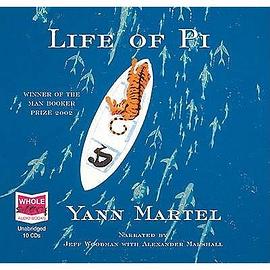
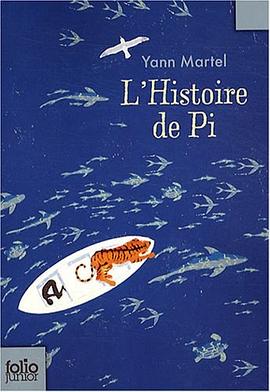
After the sinking of a cargo ship, a solitary lifeboat remains bobbing on the wild blue Pacific. The only survivors from the wreck are a sixteen-year-old boy named Pi, a hyena, a wounded zebra, an orangutan—and a 450-pound royal bengal tiger. The scene is set for one of the most extraordinary and beloved works of fiction in recent years.
Universally acclaimed upon publication, Life of Pi is a modern classic.
Winner of the 2002 Man Booker Prize
作者简介
Yann Martel was born in Spain in 1963 of Canadian parents. Life of Pi won the 2002 Man Booker Prize and has been translated into more than forty languages. A #1 New York Times bestseller, it spent eighty-seven weeks on the list and was adapted to the screen by Ang Lee. He is also the author of the novels Beatrice and Virgil and Self, the collection of stories The Facts Behind the Helsinki Roccamatios, and a collection of letters to the prime minister of Canada, 101 Letters to a Prime Minister. He lives in Saskatchewan, Canada.
Biography
Sometime in the early 1990s, Yann Martel stumbled across a critique in The New York Times Review of Books by John Updike that captured his curiosity. Although Updike's response to Moacyr Scliar's Max and the Cats was fairly icy and indifferent, the premise immediately intrigued Martel. According to Martel, Max and the Cats was, "as far as I can remember... about a zoo in Berlin run by a Jewish family. The year is 1933 and, not surprisingly, business is bad. The family decides to emigrate to Brazil. Alas, the ship sinks and one lone Jew ends up in a lifeboat with a black panther." Whether or not the story was as uninspiring as Updike had indicated in his review, Martel was both fascinated by this premise and frustrated that he had not come up with it himself.
Ironically, Martel's account of the plot of Max and the Cats wasn't completely accurate. In fact, in Scliar's novel, Max Schmidt did not belong to a family of zookeepers -- he was the son of furrier. Furthermore, he did not emigrate from Berlin to Brazil with his family as the result of a failing zoo, but was forced to flee Hamburg after his lover's husband sells him out to the Nazi secret police. So, this plot that so enthralled Martel -- which he did not pursue for several years because he assumed Moacyr Scliar had already tackled it -- was more his own than he had thought.
Meanwhile, Martel managed to write and publish two books: a collection of short stories titled The Facts Behind the Helsinki Roccamatios in 1993 and a novel about gender confusion called Self in 1996. Both books sold only moderately well, further frustrating the writer. In an effort to collect his thoughts and refresh his creativity, he took a trip to India, first spending time in bustling Bombay. However, the overcrowded city only furthered Martel's feelings of alienation and dissolution. He then decided to move on to Matheran, a section near Bombay but without that city's dense population. In this peaceful hill station overlooking the city, Martel began revisiting an idea he had not considered in some time, the premise he had unwittingly created when reading Updike's review in The New York Times Review of Books. He developed the idea even further away from Max and the Cats. While Scliar's novel was an extended holocaust allegory, Martel envisioned his story as a witty, whimsical, and mysterious meditation on zoology and theology. Unlike Max Schmidt, Pi Patel would, indeed, be the son of a zookeeper. Martel would, however, retain the shipwrecked-with-beasts theme from Max and the Cats. During an ocean exodus from India to Canada, the ship sinks and Pi finds himself stranded on a lifeboat with such unlikely shipmates as a zebra, a hyena, and a Bengal tiger named Richard Parker.
The resulting novel, Life of Pi, became the smash-hit for which Martel had been longing. Selling well over a million copies and receiving the accolades of Book Magazine, Publisher's Weekly, Library Journal, and, yes, The New York Times Review of Books, Life of Pi has been published in over 40 countries and territories, in over 30 languages. It is currently in production by Fox Studios with a script by master-of-whimsy Jean-Pierre Jeunet (City of Lost Children; Amélie) and directorial duties to be handled by Alfonso Cuarón (Y tu mamá también; Harry Potter and the Prisoner of Azkaban).
Martel is now working on his third novel, a bizarrely allegorical adventure about a donkey and a monkey that travel through a fantastical world... on a shirt. Well, at least no one will ever accuse him of borrowing that premise from any other writer.
目录信息
读后感
很久没读小说了。特别是长篇,总需要相对整齐的时间,稳定的心境。否则,断断续续与松松散散都有可能使一本可能精彩的小说变得索然无味,最后不了了之地被你断送在前五十页。 这几天潮湿,用一个朋友的话,湿度若在100%,是不是仿佛人在水中游?墙上有慢慢的,往下流...
评分"Life of Pi" is just a fun read with quite a few memorable details, but on the whole the author is still immature as a writer in that, he tries too hard to mask the "truth" with gimmicks in story-telling, and he loses sight of the real depth of the truth, a...
评分若不是因为布克奖的缘故,我很可能会将之当成一本讲圆周率的数学普及读本而不幸错过。然而圆周率也未尝同整本小说没有关联,Yann Martel在一篇采访中说:“我选择Pi这个名字,是因为这是个不理性(irrational)的数字,然而科学家们还是利用这个不理性的数字达成对宇宙的理性认...
评分 评分1,为什么说这是一个能让你相信上帝的故事? 相信有动物的那个故事,和相信上帝,在本质上是一个道理的。 相信上帝并不是因为有确切的证据证明上帝的存在,而是在事实并没有支持,事实甚至在反对这种信念的时候(日心说,演化论及其他)仍然相信,不然这就不是信仰,...
用户评价
读完《少年Pi的奇幻漂流》,我有一种前所未有的震撼感,仿佛经历了一场灵魂的洗礼。这本书的叙事方式非常独特,将读者带入了一个充满想象力和哲思的世界。作者用一种极其生动、富有画面感的语言,描绘了Pi在绝境中的求生之旅。我尤其被书中关于动物的描写所打动,理查德·帕克的存在,不仅仅是一个危险的象征,更是Pi内心深处的一种映照。Pi与这只老虎之间的互动,充满了张力与智慧,让我思考人类与动物之间,以及与自然界之间最原始的关系。Pi在极端环境下的生存能力,以及他对生命的执着,更是让我肃然起敬。更让我着迷的是,这本书不仅仅是一个冒险故事,它还深入探讨了信仰、真理以及故事的力量。Pi对不同信仰的虔诚,以及他最终讲述故事的方式,都引发了我对生命意义和存在本质的深刻反思。这本书就像一面镜子,照出了我内心深处的恐惧与希望,也让我看到了生命中那些最珍贵的品质。
评分这本书,简直就像一股清流,一股带着淡淡忧伤却又充满生命力的清流,悄悄地流淌过我的心田。读《少年Pi的奇幻漂流》的过程,对我而言,与其说是阅读,不如说是一次沉浸式的体验。作者用一种极其精准却又带着些许浪漫主义的笔触,勾勒出了Pi在茫茫大海上的孤寂与坚持。每一个细节,从船上的物品到海洋生物的习性,都被描绘得活灵活现,仿佛触手可及。我尤其印象深刻的是Pi与理查德·帕克之间那种脆弱又坚韧的共生关系,这种野性与温情的交织,让我对生命的奥秘产生了更深的敬畏。Pi在绝境中展现出的生存智慧,那些看似不可能的举动,却又在情理之中,让人感叹生命的顽强。而书中关于信仰的思考,更是让我反复咀嚼,思考在人生困境中,我们如何寻找内心的支撑,如何理解那些看不见的“神”。这本书不只是在讲一个故事,它更是在探索关于人类内心世界的广袤图景,关于我们如何面对孤独,如何与内心的野兽搏斗,以及如何最终找到属于自己的那片“陆地”。
评分这是一本真正让我放不下的书,它的情节就像一股魔力,将我深深地吸引,让我情不自禁地想要一口气读完,又害怕读完后那种失落感。作者对海洋的描绘,细腻而富有诗意,我仿佛能感受到海风的吹拂,听到海浪拍打船舷的声音,甚至闻到海水的味道。Pi的经历,尤其是在与理查德·帕克共处一船的这段时间,充满了惊险与哲学意味。他们之间的关系,既是对生存本能的考验,也是对人类与自然界之间微妙联系的探索。Pi的求生意志,那种不屈不挠的精神,更是让我由衷地钦佩。他不仅仅是为了活下去,更是为了在这孤独的旅程中,寻找生命的意义。书中穿插的关于宗教的探讨,更是让我受益匪浅,它让我开始反思,在面对困难时,我们应该如何寻找内心的力量,如何理解不同的信仰。这本书让我看到了生命的脆弱,也看到了生命的力量,更让我思考,我们所看到的“真相”,是否真的是唯一的真相。
评分我必须承认,《少年Pi的奇幻漂流》这本书,它的文字就像一场精心编织的梦,将我牢牢地吸引进去,并且久久不愿醒来。在阅读过程中,我仿佛置身于那片一望无际的蓝色汪洋之中,感受着海水的咸湿,聆听着海浪的低语,甚至能想象到阳光洒在甲板上的那种灼热。书中的每一个场景都描绘得如此细腻,仿佛是画家手中的杰作,色彩斑斓,光影交错。Pi的经历,从最初的惊恐到后来的镇定,再到与理查德·帕克之间复杂而奇妙的共存关系,每一步都充满了张力。我特别喜欢作者对动物行为的描写,那些观察入微的细节,让我看到了一个与我所熟知的截然不同的动物世界,一个充满生存本能和微妙情感的世界。而Pi的求生意志,更是书中最令人难以忘怀的部分。他不仅仅是在身体上生存,更是在精神上不断寻找出路。书中的一些哲学思考,关于信仰、关于故事的本质,更是将这部作品提升到了一个新的高度,它不再仅仅是一个故事,而是一次关于生命和真理的深刻对话。
评分刚读完《少年Pi的奇幻漂流》,心情久久不能平复。这本书带给我的震撼,如同巨浪拍打在心头,久久不散。一开始,我以为这只是一个关于漂流求生的故事,但随着情节的展开,我逐渐被带入了一个更加宏大、更具哲学意味的世界。作者用一种极其诗意、却又不失细节的笔触,描绘了Pi在浩瀚海洋中的挣扎与求存。那些关于动物的描写,每一个细节都栩栩如生,仿佛我能亲眼看见理查德·帕克那双充满野性却又带着一丝脆弱的眼睛。而Pi,一个瘦弱的少年,却在极端环境下展现出的惊人智慧和毅力,让我不得不为之动容。他与猛虎共处一船,这本身就是一个充满象征意义的设定,让我思考人类与自然、理智与本能之间的复杂关系。更让我着迷的是,故事中穿插的关于宗教和信仰的探讨,Pi在绝境中对不同信仰的虔诚,以及他对生命意义的追寻,都深深触动了我。这本书不仅仅是一个冒险故事,更是一次关于心灵的探索,关于选择与牺牲,关于希望与绝望的交织。它迫使我去反思,在最极端的情况下,我们内心深处最真实的火焰是什么。
评分最好的劝教书。
评分"And so it goes with God."
评分前半段动物园大段景物描写确实有点无聊,尤其飞机上看的时候困的要死,常年看的都是硬通货,读小说的耐心真是越来越少。
评分结局非常震撼了。两个故事,两种感动。特别是猪脚杀死厨子那段。人性都是本善的,无奈环境,无奈生存的迫切
评分结局非常震撼了。两个故事,两种感动。特别是猪脚杀死厨子那段。人性都是本善的,无奈环境,无奈生存的迫切