
具体描述
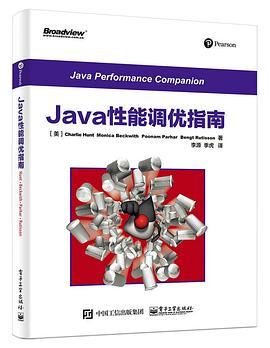
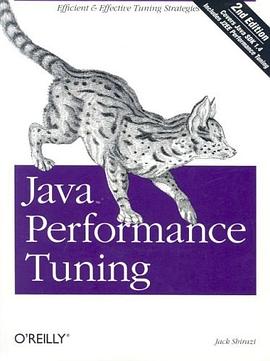
Performance has been an important issue for Java developers ever since the first version hit the streets. Over the years, Java performance has improved dramatically, but tuning is essential to get the best results, especially for J2EE applications. You can never have code that runs too fast. Java Peformance Tuning, 2nd edition provides a comprehensive and indispensable guide to eliminating all types of performance problems. Using many real-life examples to work through the tuning process in detail, JPT shows how tricks such as minimizing object creation and replacing strings with arrays can really pay off in improving your code's performance. Tuning J2EE applications bears many similarities to tuning J2SE apps, but important and specific considerations apply. For this reason, Java Performance Tuning, Second Edition includes four new chapters: a new chapter on J2EE application tuning in general followed by chapters on tuning JDBC, servlets and JSPs, and EJBs. Java Performance Tuning offers common-sense advice about what to tune and what to leave alone, emphasizing techniques that provide big performance gains with minimal code restructuring. It gives you crucial guidance that helps you tune without destroying your program's architecture. Blindly changing things in an effort to make a program run faster is a great way to create buggy, unmaintainable code. Java Performance Tuning teaches you to work efficiently and effectively, resulting in code that is robust, maintainable, and fast. Java Performance Tuning, Second Edition shows you how to:
Create a performance plan
Glean information about your program's behavior from profiling tools
Identify bottlenecks before tuning
Minimize the number of objects your program creates, particularly critical for J2EE applications
Optimize the use of strings
Avoid performance penalties from inefficient code
Improve the behavior of loops and switches
Optimize I/O behavior
Use appropriate algorithms for sorting and other common tasks
Use threads effectively
Optimize the performance of distributed systems
Speed up servlets and JSPs
Structure JDBC usage efficiently
Use effective design patterns to optimize EJB performance Covers JDK 1.4
作者简介
目录信息
读后感
Performance has been an important issue for Java developers ever since the first version hit the streets. Over the years, Java performance has improved dramatically, but tuning is essential to get the best results, especially for J2EE applications. You can ...
评分Performance has been an important issue for Java developers ever since the first version hit the streets. Over the years, Java performance has improved dramatically, but tuning is essential to get the best results, especially for J2EE applications. You can ...
评分Performance has been an important issue for Java developers ever since the first version hit the streets. Over the years, Java performance has improved dramatically, but tuning is essential to get the best results, especially for J2EE applications. You can ...
评分Performance has been an important issue for Java developers ever since the first version hit the streets. Over the years, Java performance has improved dramatically, but tuning is essential to get the best results, especially for J2EE applications. You can ...
评分Performance has been an important issue for Java developers ever since the first version hit the streets. Over the years, Java performance has improved dramatically, but tuning is essential to get the best results, especially for J2EE applications. You can ...
用户评价
从整体阅读体验来看,这本书的节奏把握得非常好,它既有理论上的深度挖掘,又有大量的实操指南。如果说市面上有些性能书籍侧重于“黑盒测试”,这本书则更像是带你走进JVM的“白盒内部”。我尤其欣赏它对不同JVM版本之间性能差异的对比分析,这对于需要维护遗留系统或者进行平滑迁移的团队来说至关重要。它没有回避复杂性,而是坦然地展示了现代JVM作为一套极其复杂的软件系统所固有的挑战。我曾因为书中关于“超长STW暂停”的案例分析,彻底改变了对某个第三方库在后台进行序列化操作的看法,并最终将其替换,带来了显著的稳定性提升。这本书不是那种读完一遍就能“精通”的速成手册,而是一本需要反复研读、并在不同项目周期内对照参考的“武功秘籍”。它帮助我建立了一种“性能预算”的意识,让我在做架构决策时,就能提前预估到潜在的性能代价,这才是最高效的性能调优——防患于未然。
评分这本书的深度和广度实在令人印象深刻。作为一名资深Java开发者,我一直都在寻求那种既能提供扎实理论基础,又能深入剖析实践中遇到的复杂性能瓶颈的资源。这本书完美地满足了我的需求。它没有停留在表面,而是像一个经验丰富的工程师那样,一步步引导读者解构JVM内部的运作机制,从垃圾回收算法的演变到最新的JIT编译器优化策略,每一个细节都被剖析得淋漓尽致。特别是关于并发编程中锁竞争和内存屏障对性能的隐性影响的论述,简直是教科书级别的。我尤其欣赏作者在讲解复杂概念时所使用的类比和实例,这使得那些原本晦涩难懂的内容变得清晰易懂。阅读过程中,我感觉自己不仅仅是在学习调优技巧,更是在构建一个更坚实的Java运行时认知模型。那种豁然开朗的感觉,是其他许多入门或中级书籍无法给予的。对于任何想把自己的Java应用推向极致性能的团队来说,这本书都是必备的案头工具书,它的价值远远超过了书本的价格。我甚至开始重新审视我们团队现有的监控和诊断流程,发现了不少可以改进的空间。
评分对于那些刚开始接触JVM调优,但又渴望快速成长的人来说,这本书无疑是一座灯塔。我记得我刚入行时,面对满屏的GC日志和Thread Dumps,简直是手足无措,网上搜索的零散知识点总是缺乏连贯性。这本书的伟大之处在于它建立了一个完整的、逻辑自洽的性能分析体系。它教你的不是“如何设置某个参数”,而是“为什么这个参数会产生这样的效果”,以及“在什么场景下这个调整会适得其反”。这种因果关系的阐明,才是真正的内功心法。我特别欣赏作者对内存分配和对象生命周期管理的细致描绘,它让你真正理解堆空间是如何被高效利用的。当我开始有意识地去重构代码以适应JVM的分配策略时,我们应用中那些挥之不去的微小卡顿(micro-pauses)奇迹般地消失了。这本书的排版和图表也做得非常出色,复杂的内存模型图清晰明了,极大地辅助了理解过程。读完它,你会发现调优不再是碰运气的“炼金术”,而是基于科学原理的严谨工程。
评分这本书的撰写者无疑是站在行业前沿的实践者。它带来的不仅是知识的积累,更是一种思维方式的转变。许多性能问题往往源于我们对应用代码与底层运行时交互方式的误解。书中深入剖析了例如逃逸分析(Escape Analysis)失败后,对象如何在栈上分配的愿望落空,转而在堆上造成不必要的GC压力的过程,这种对编译器行为的理解,是普通开发者极少能接触到的信息。此外,对于如何利用操作系统层面的工具(如eBPF或Perf)来辅助JVM诊断,书中的介绍也相当到位,体现了跨层级优化的视野。我曾经尝试用书中的方法诊断一个棘手的死锁问题,通过分析Lock Contention Profile,我迅速锁定了罪魁祸首——一个被不当使用的同步块。这种高效解决问题的能力,直接转化成了生产力。这本书的实战性极强,读完后几乎可以立即投入到高难度的性能优化工作中去,它提供了必要的理论武器和实用的检查清单。
评分说实话,我一开始有点担心这本“第二版”会不会只是对前一版的小修小补,但事实证明我的顾虑是多余的。作者显然投入了巨大的精力去追踪和整合近几年Java生态系统的重大变化,尤其是OpenJDK社区的最新进展。从模块化系统的性能影响,到新的AOT编译选项的引入,再到对特定云环境(如容器化部署)下性能特性的调整,这些都是在老版本中无法深入探讨的关键议题。这本书的结构设计也非常巧妙,它没有采用那种枯燥的按章节堆砌知识点的做法,而是通过一系列精心设计的“场景驱动”的案例,将理论与实践无缝衔接起来。比如,书中对高频交易系统延迟优化的讨论,简直是手把手教你如何在高压环境下进行微调。语言风格上,它保持了一种非常务实的、直击痛点的专业口吻,没有过多的寒暄,每一句话都掷地有声,直奔性能优化的核心。如果你已经厌倦了那些只谈论`top`和`jstat`基础命令的书籍,那么这本书提供的诊断思路和深度分析框架,绝对会让你耳目一新,感觉像是获得了一套全新的“性能透视眼”。
评分翻阅了部分章节 ...
评分书中使用的jdk版本有点老,不过道理是不老的。kindle看pdf就是悲剧啊。
评分书中使用的jdk版本有点老,不过道理是不老的。kindle看pdf就是悲剧啊。
评分翻阅了部分章节 ...
评分书中使用的jdk版本有点老,不过道理是不老的。kindle看pdf就是悲剧啊。