
具体描述
作者简介
1971年 - 東京教育大学文学部史学科卒業
1979年 - 東京都立大学大学院人文科学研究科修士課程修了
1987年 - 「日本古代の氏の構造」で都立大文学博士。
1992年 - 帝京大学文学部助教授
2000年 - 帝京大学文学部教授
著書:
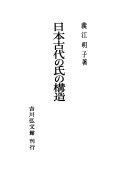
『日本古代の氏の構造』 吉川弘文館、1986年3月。
『日本古代の祭祀と女性』 吉川弘文館〈古代史研究選書〉、1996年11月。
『日本古代系譜様式論』 吉川弘文館、2000年10月。
『古代女性史への招待…“妹の力”を超えて』 吉川弘文館、2004年10月。
『つくられた卑弥呼…“女”の創出と国家』〈ちくま新書〉、2005年4月。
『県犬養橘三千代』 吉川弘文館〈人物叢書〉、2009年12月。
古代王権論 神話・歴史感覚・ジェンダー 岩波書店 2011.4
目录信息
第1編 氏と奴婢所有(第1章 日本令の嫡子について
第2章 「妻家所得奴婢」の性格
第3章 日本古代奴婢所有の特質
補論 双系制と両属性)
第2編 氏と氏神(第1章 橘氏の成立と氏神の形成
第2章 平野社の成立と変質
第3章 春日祭祝詞と藤原氏
補論 古代における「私」の成立)
第3編 氏と系譜(第1章 古代系譜の構造
第2章 出自と系譜
第3章 氏族系譜の形成
第4章 系譜形式と同族関係)
付編 氏研究の意義
(第1章 国家論と氏研究
第2章 家族論と氏研究)
· · · · · · (收起)
读后感
用户评价
Upon acquiring 《日本古代の氏の構造》, my immediate thought was about its potential to unravel the complexities of ancient Japanese identity. The concept of "氏" (uji) seems so fundamental to understanding who one was in that era. I am deeply interested in how an individual's identity was shaped and defined by their "uji." Was it a rigid, inescapable destiny, or was there a degree of fluidity or mobility within or between "uji"? The book's focus on "structure" leads me to anticipate a detailed examination of the different types of "uji" that might have existed. Were there distinctions between the powerful, court-connected "uji" and those rooted in more provincial or specialized roles? I hope the author will shed light on the processes by which an individual was integrated into their "uji," and what obligations and privileges that entailed. Furthermore, I’m eager to understand if the book explores the psychological and emotional dimensions of belonging to an "uji." How did this collective identity influence individuals' loyalties, their sense of honor, and their understanding of their place in the world? A nuanced exploration of this aspect would truly bring the ancient past to life for me.
评分我拿到《日本古代の氏の構造》这本书,首先吸引我的是它所触及的那个宏大而又神秘的领域。我一直对日本古代的政治制度和权力分配充满疑问,而“氏”在其中无疑扮演了至关重要的角色。我希望这本书能够详细地解答我心中的疑惑,例如,在日本古代,“氏”的成员是如何划分的?是纯粹的血缘关系,还是也包含了依附性的关系?书中是否会讨论到“氏”内部的等级制度,以及这种等级制度是如何形成的?我特别关注的是,“氏”与当时的中央政权(例如大和朝廷)之间是一种怎样的关系?是臣属关系,还是合作关系,亦或是竞争关系?这本书是否会分析一些著名的“氏”,比如苏我氏、藤原氏、源氏、平氏等,来展示它们是如何通过联姻、军事力量、政治手腕等方式来巩固自身地位,并对日本的历史进程产生深远影响的?我期待作者能够用详实的史料,深入浅出地讲解这些复杂的“氏”的运作机制,让我能够更深刻地理解日本古代的政治格局和权力斗争,从而对那个时代有一个更全面、更立体的认识。
评分拿到《日本古代の氏の構造》这本书,我immediately was struck by the depth of its potential. I've always been intrigued by the intricate web of lineage and power in ancient Japan, and the concept of "uji" (氏) is central to that mystery. My primary hope for this book is that it will offer a meticulous dissection of the origins and evolution of the "uji" system. How did it emerge from the mists of time, and what were the fundamental principles that governed its structure? I'm particularly keen to understand how "uji" members were defined and distinguished. Was it solely based on blood ties, or did it encompass broader alliances and patronage networks? The book's title suggests a focus on "structure," so I anticipate detailed explorations of the internal hierarchies within each "uji." Were there clear roles and responsibilities assigned based on one's position within the lineage? Furthermore, I am eager to see how the author connects the "uji" system to the broader socio-political landscape of ancient Japan. Did "uji" wield significant political influence? How did they interact with the emerging state apparatus? I expect a rigorous examination of historical evidence, perhaps through case studies of prominent "uji," to illuminate these complex relationships and provide a foundational understanding of how these family structures shaped the course of Japanese history.
评分When I saw the title, 《日本古代の氏の構造》, I was immediately drawn to its promise of shedding light on the often-obscured relationships within ancient Japanese society. My foremost hope for this book is to understand the *interconnectedness* of different "uji" and how these connections formed the very fabric of political and social power. The term "structure" implies a system, and I'm eager to learn how various "uji" interacted with each other. Were there dominant "uji" that exerted control over others? How did alliances form, and what was the nature of these political marriages and agreements between lineages? I am also very curious about the role of the "uji" in the development of larger political entities, such as the Yamato state. Did the consolidation of state power involve the manipulation or restructuring of existing "uji" networks? I would love for the author to provide detailed case studies of how specific "uji" rose to prominence, maintained their influence, or eventually declined, illustrating the dynamic nature of these structures. The prospect of understanding these intricate webs of relationships is what makes this book so exciting to me.
评分The title, 《日本古代の氏の構造》, immediately conjured images of a meticulously organized social tapestry in my mind. My primary expectation from this book is a comprehensive analysis of the *legal and customary frameworks* that governed the "uji" system in ancient Japan. Were there established rules and precedents that dictated how "uji" operated? The book's emphasis on "structure" suggests it will go beyond mere description to explain the underlying logic. I'm particularly interested in the legal implications of belonging to an "uji." Did it confer specific rights and responsibilities in the eyes of the law? How did "uji" property and inheritance function, and were these governed by distinct "uji" customs or by broader legal principles? I also hope the author will address the concept of "uji" as a vehicle for the transmission of knowledge, skills, and traditions. Were certain "uji" known for particular crafts, scholarly pursuits, or even military expertise, and was this knowledge passed down through generations within the lineage? A detailed understanding of these formal and informal structures will be crucial for me to grasp the true significance of the "uji" system.
评分The title, 《日本古代の氏の構造》, instantly resonated with my fascination for the underlying order that governs any society. My deepest desire for this book is to gain a profound understanding of the *functional aspects* of the "uji" system. It's not just about the existence of these family structures, but about *what they did*. I want to know how "uji" served as organizational units for various societal tasks. Did they play a role in military organization, perhaps providing levies or specialized troops? Were they involved in religious administration or the maintenance of certain shrines and rituals? I am also very interested in how "uji" contributed to the economic infrastructure of ancient Japan. Did they manage land, organize labor, or facilitate trade? The title’s promise of a focus on "structure" suggests that the author will delve into the specific ways these lineages were organized to fulfill these functions effectively. I hope the book will provide concrete examples of how "uji" members were mobilized and coordinated to achieve collective goals, giving me a tangible sense of their practical significance in shaping the daily lives and broader historical trajectory of ancient Japan.
评分这本书我刚拿到手,书名是《日本古代の氏の構造》,光是这个标题就足以勾起我无限的好奇心。我一直对日本古代社会那些错综复杂的家族制度和等级划分非常着迷,而“氏”这个概念,在许多关于日本古代史的入门读物中都只是点到为止,让我总觉得隔靴搔痒。这本书的出现,仿佛是为我推开了一扇通往更深层理解的大门。我最期待的是它能够详细地剖析“氏”这个概念的起源和演变,究竟是在怎样的历史背景下,这种以血缘和政治联结为核心的社会组织形式在日本古代社会逐渐成型?它又经历了怎样的发展和变化?我希望书中不仅仅是罗列氏的名称,而是能深入探讨其内在的逻辑和功能,例如“氏”如何影响个人的身份认同,如何构建社会关系网络,如何在权力结构中扮演怎样的角色。我也特别关注书中对不同时期、不同地域的“氏”的比较分析,因为我知道日本地域广阔,各地文化差异也很大,那么“氏”的结构和运作方式是否也会因此而呈现出地域性的特点?比如,在政治中心和地方势力之间,“氏”扮演的角色是否存在显著差异?这种差异又会对历史进程产生怎样的影响?我希望作者能够用扎实的史料和严谨的逻辑,为我揭示这些隐藏在历史表象之下的复杂运作机制,让我能更清晰地认识日本古代社会的脉络。
评分当我看到《日本古代の氏の構造》这本书名时,我的脑海中立刻浮现出许多关于日本古代社会秩序的疑问。我一直对“氏”这个概念的社会功能感到好奇。这本书是否会深入探讨“氏”在古代日本的社会生活中所承担的职能?例如,在婚姻、继承、财产分配等方面,“氏”是否起到了决定性的作用?我尤其感兴趣的是,“氏”是如何影响个体的社会地位和职业选择的?一个人生在哪一个“氏”,是否就决定了他的人生轨迹?书中是否会提供一些具体的案例,来展示“氏”对个体命运的影响?此外,我还想知道,“氏”在古代日本的宗教信仰和祭祀活动中扮演了怎样的角色?不同的“氏”是否有自己独特的氏神或祭祀仪式?这些信仰和仪式又是如何维系氏族内部的凝聚力的?我期待这本书能够提供一个多维度的视角,不仅从政治和经济层面,也从社会文化层面,来全面解析“氏”的结构和功能,让我能够更全面地理解日本古代社会的运作方式。
评分The moment I saw the title, 《日本古代の氏の構造》, I felt a surge of intellectual anticipation. The very word "氏" (uji) in Japanese history evokes a sense of deeply ingrained social organization. What I yearn for in this book is a profound exploration of the *mechanisms* behind this structure. It's not enough to simply list names; I want to understand the underlying principles that dictated the formation and maintenance of "uji." For instance, how were alliances forged and broken between different "uji"? What role did marriage play in solidifying or expanding the influence of a particular lineage? I'm also intensely curious about the economic underpinnings of the "uji" system. Did "uji" control specific resources, land, or economic activities? How did these economic foundations contribute to their power and stability? I would be thrilled if the author delves into the concept of "uji" as a form of social capital, examining how its members leveraged their collective identity and connections to achieve their goals, whether personal or political. The prospect of understanding the practical, day-to-day workings of these ancient family structures, beyond the grand narratives of battles and emperors, is what makes this book so compelling to me.
评分我翻开《日本古代の氏の構造》的序言,就被作者开篇那句“氏,是贯穿日本古代社会肌体的血脉与骨骼”深深吸引。这是一种何等形象的比喻!我迫切地想知道,在这位作者眼中,这种“血脉与骨骼”究竟是如何形成的?这本书是否会追溯到神话传说中的开端,还是从更具史学意义的考古发现或者文献记录开始?我更倾向于作者能够提供一个清晰的梳理,从最初的氏族萌芽,到与国家形成同步发展的过程,再到后来随着历史变迁而产生的种种变形和解体。我尤其关心书中对于“氏”与“姓”之间关系的阐述。这两者在古代文献中经常混淆,但它们之间肯定存在着细微而关键的区别。这本书能否为我厘清这个概念?“氏”是否是更基础、更原始的家族单位,而“姓”则是后来由中央政权为了管理和分封而赋予的?或者它们之间存在着更复杂的相互依存关系?我希望作者能够通过具体的历史案例,比如某个著名氏族的发展历程,来生动地展示“氏”的结构如何随着时间的推移而演变,以及它如何与当时的政治、经济、军事力量相互作用,甚至相互制约。我期待的是一种能够触及历史深处的解读,让我能真正理解“氏”在日本古代社会中扮演的那个不可或缺的角色。
评分迄今为止看过最难的一本书。每次看到“xx观点已经很明显了”这样的话我都无语了。只能把前面再看一遍,看看为什么就很明显了。看了快有十天了,最算把观点都看了,论证看不明白,不准备看了。
评分迄今为止看过最难的一本书。每次看到“xx观点已经很明显了”这样的话我都无语了。只能把前面再看一遍,看看为什么就很明显了。看了快有十天了,最算把观点都看了,论证看不明白,不准备看了。
评分迄今为止看过最难的一本书。每次看到“xx观点已经很明显了”这样的话我都无语了。只能把前面再看一遍,看看为什么就很明显了。看了快有十天了,最算把观点都看了,论证看不明白,不准备看了。
评分迄今为止看过最难的一本书。每次看到“xx观点已经很明显了”这样的话我都无语了。只能把前面再看一遍,看看为什么就很明显了。看了快有十天了,最算把观点都看了,论证看不明白,不准备看了。
评分迄今为止看过最难的一本书。每次看到“xx观点已经很明显了”这样的话我都无语了。只能把前面再看一遍,看看为什么就很明显了。看了快有十天了,最算把观点都看了,论证看不明白,不准备看了。