具体描述
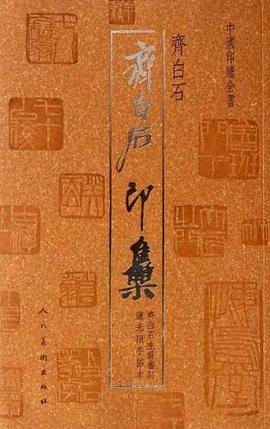
《齐白石印集》: etched in stone, blooming through time The art of the seal, a miniature universe of expression, holds a special place in the rich tapestry of Chinese culture. For centuries, seals have served not merely as marks of authenticity but as intimate reflections of an artist's character, aesthetic, and intellectual pursuits. They are the silent witnesses to history, the compressed embodiment of a lifetime's journey. Within this profound tradition, the works of Qi Baishi (1864-1957) stand as a testament to the enduring power and evolution of seal carving. His seals, like his vibrant paintings, are imbued with a lively spirit, a profound connection to nature, and an unyielding dedication to the folk wisdom and artistic heritage of his homeland. This collection, Qi Baishi Seal Collection, invites you to delve into the multifaceted world of Qi Baishi's seal art. It is a journey not merely through a series of carved stones, but into the very soul of a master artist who, through the disciplined yet expressive medium of the seal, articulated a unique vision that transcended mere representation. A Glimpse into the Artist's Inner World More than just signatures, Qi Baishi's seals are windows into his evolving artistic philosophy and personal beliefs. Each engraved character, each carefully chosen phrase, tells a story. They reveal his deep reverence for the natural world, his playful observations of everyday life, and his profound respect for the wisdom of ancient sages. Through the meticulous practice of seal carving, Qi Baishi honed his understanding of form, balance, and the interplay of positive and negative space, skills that would later enrich his celebrated paintings. The Evolution of a Master's Hand Qi Baishi Seal Collection traces the development of his seal carving style across his long and prolific career. From his early, more classical influences, one can observe a gradual liberation, a growing boldness in composition and execution. His later seals often exhibit a remarkable dynamism, a spontaneous energy that mirrors the brushwork in his paintings. This evolution is not merely stylistic; it reflects his ongoing engagement with life, his constant learning, and his unwavering commitment to personal growth as an artist. Themes and Motifs: A Universe in Miniature The thematic range of Qi Baishi's seals is as expansive as his artistic output. One finds seals bearing his name and courtesy names, of course, but also inscriptions that speak to his philosophical outlook. Phrases like "衰年乐道" (Happy in my old age, pursuing the Way) or "借山吟" (Chanting in borrowed mountains) offer glimpses into his contented spirit and his appreciation for the beauty found in the world around him, even when confined by age or circumstance. His seals often feature auspicious characters, reflecting traditional Chinese beliefs in good fortune and longevity. But beyond the purely symbolic, there are seals that capture his keen observation of the natural world. The vibrant life of insects, the sturdy grace of plants, the evocative presence of landscapes – all find their condensed expression in his carved stones. One might find a seal depicting a meticulously rendered cricket, a symbol of vitality and the changing seasons, or a powerful rendering of a pine tree, representing endurance and strength. These miniature depictions are not mere illustrations; they are distilled essences, capturing the spirit and character of their subjects with remarkable economy and power. The Art of the Carving: Technique and Aesthetics The beauty of Qi Baishi's seals lies not only in their content but also in the exquisite craftsmanship with which they were produced. The collection showcases his mastery of various carving techniques, from the precise incising of fine lines to the bold chiseling of larger forms. His understanding of the material – the texture, the color, the grain of the stone – is evident in every piece. He knew how to coax the best out of each medium, allowing the inherent qualities of the stone to enhance the overall impact of the seal. The interplay of positive and negative space is a crucial element in seal carving, and Qi Baishi was a master of this delicate balance. His designs are never cluttered; each element is placed with intentionality, creating a sense of harmony and visual appeal. The white space, equally as important as the carved lines, breathes life into the composition, allowing the viewer's eye to rest and appreciate the intricate details. A Legacy Etched in Stone The impact of Qi Baishi's seal art extends far beyond his own lifetime. His innovative approach and his ability to imbue his seals with such a strong personal voice have inspired generations of artists. They serve as invaluable resources for art historians, scholars, and enthusiasts seeking to understand the depth and breadth of his artistic achievements. Qi Baishi Seal Collection is more than just an anthology of his carved works. It is an invitation to engage with a profound aspect of his artistry, to witness his lifelong dedication to a venerable tradition, and to discover the enduring power of his creative spirit. Within these small, tangible objects, one finds a universe of meaning, a testament to a life lived with passion, wisdom, and an unwavering devotion to beauty. The stones may be ancient, but the spirit they carry is timeless, continuing to speak to us across the years, a silent yet eloquent voice from one of China's greatest artistic masters. This collection is a celebration of a singular artistic vision, a reminder that true mastery can be found in the smallest of forms. It is a testament to the enduring legacy of Qi Baishi, an artist whose spirit, like the characters he so skillfully carved, will forever be etched in the annals of art history. Further Exploration within the Collection: As you turn the pages of this Qi Baishi Seal Collection, you will encounter a rich diversity of styles and themes. Pay close attention to the evolution of his script. From the more formal, established styles of his earlier works, observe the increasing freedom and expressiveness that characterizes his later carvings. Some seals might employ a playful, almost childlike hand, while others exude a profound scholarly gravitas. This linguistic flexibility is a hallmark of his genius, demonstrating his ability to adapt his calligraphic skills to convey different moods and intentions. Consider the choice of stones themselves. Qi Baishi was known for his discerning eye in selecting materials. Some seals are carved on lustrous soapstone, its smooth surface lending itself to delicate lines. Others are rendered on harder, more rugged stones, which he masterfully worked to produce bold, impactful designs. The inherent color and texture of the stone often played an integral role in the final aesthetic, adding another layer of depth and sensory appeal to his creations. The inscriptions themselves offer a unique linguistic journey. Beyond his personal names and appellations, explore the poems, aphorisms, and philosophical sayings that he chose to immortalize in stone. These literary selections are not arbitrary; they are carefully curated reflections of his worldview, his experiences, and his aspirations. They reveal his engagement with classical Chinese literature and his ability to find profound meaning in both grand pronouncements and humble observations. For instance, a seal bearing the inscription "饮之太和" (Drinking in Great Harmony) speaks to a state of profound contentment and spiritual balance, a sentiment that permeates much of his artistic output. The collection also highlights his innovative spirit in the realm of subject matter. While many artists confined themselves to traditional auspicious symbols or landscapes, Qi Baishi was unafraid to incorporate elements of everyday life and his personal passions. You might find seals that depict humble tools, kitchen utensils, or even playful renderings of animals from his immediate surroundings. This willingness to find artistic merit in the commonplace demonstrates his democratizing vision of art, his belief that beauty and meaning could be found everywhere, not just in the rarefied realms of imperial courts or scholarly studies. Furthermore, the meticulous reproduction of these seals within this collection allows for an intimate examination of Qi Baishi's carving techniques. Notice the varying depths of the incisions, the crispness of the edges, and the subtle variations in pressure that indicate the artist's hand. These are not merely static images; they are vibrant traces of a skilled artisan at work, each mark bearing the imprint of his energy and intention. The careful attention paid to the details of each seal, from the overall composition to the smallest stroke, invites a close and prolonged study, rewarding the viewer with a deeper appreciation of his mastery. This Qi Baishi Seal Collection serves as an indispensable resource for anyone interested in the intricate art of Chinese seal carving. It offers a comprehensive overview of one of its most celebrated practitioners, revealing the depth, breadth, and enduring legacy of his work. It is a collection to be savored, studied, and returned to, each engagement offering new insights and a renewed admiration for the profound artistry of Qi Baishi. The miniature worlds he carved in stone are vast, offering a lifetime of exploration and discovery.