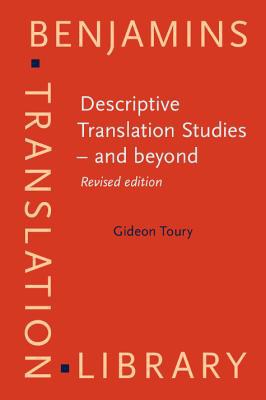

具体描述
作者简介
目录信息
A case for Descriptive Translation Studies xi
A remark on the new edition xiii
part one
The pivotal position of Descriptive Studies and dts 1
1. Holmes’ ‘map’ of the discipline 3
2. The organization of dts 5
3. Between dts and Translation Theory 9
4. Between Translation Studies and its applied extensions 11
part two
A rationale for Descriptive Translation Studies 15
chapter 1
Translations as facts of a ‘target’ culture:
An assumption and its methodological implications 17
1. Approaching translation within a target-oriented framework 17
2. Translations as cultural facts 20
3. In need of proper contextualization 23
4. The notion of ‘assumed translation’ 26
5. The contents of the notion of ‘assumed translation’ 28
6. Discovery vs. justification procedures 31
chapter 2
The notion of ‘problem’ in Translation Studies 35
1. ‘Problem’ and its terminological status 35
2. The three terminological uses of ‘problem’ 38
problem1 38
problem2 42
problem3 43
excursus a
Pseudotranslations and their significance 47
1. Some uses of pseudotranslating 48
2. Pseudotranslations and Translation Studies 52
3. The enlightening case of Papa Hamlet 55
chapter 3
Being a norm-governed activity 61
1. Pairing ‘translation’ and ‘norms’ 61
2. From social agreements to norms 62
2.1 Agreements, conventions and behavioural routines 62
2.2 Conventions, norms and strategies 63
2.3 Regularities of behaviour and norms 64
2.4 Gradation and relativity 65
3. Translation and norms 67
3.1 Acts and events 67
3.2 The ‘value’ behind translation 69
3.3 Uniquely translational norms? 71
3.4 Where are translational norms negotiated? 75
3.5 Alternative and competing norms 76
chapter 4
Studying translational norms 79
1. The initial norm in translation 79
2. Translational norms: an overview 81
3. The multiplicity of translational norms 86
4. Extracting translational norms 87
chapter 5
Constituting a method for Descriptive Studies 93
1. Assumed translations and their acceptability 93
2. Levels of comparative study 95
3. Coming up with the appropriate source text 99
4. (Observed) solutions and (reconstructed) problems 102
5. Prospective vs. retrospective stances exemplified by metaphor 107
6. Uncovering the underlying concept of translation 110
chapter 6
The coupled pair of replacing + replaced segments 115
1. The need for a unit of comparative analysis 116
2. An exemplary analysis of a pair of texts 117
3. Justifying the use of the coupled pair 124
4. Testing the coupling hypothesis in real time 127
chapter 7
An exemplary ‘study in Descriptive Studies’:
Conjoint phrases as translational replacements 131
1. The phrases’ significance assured 132
2. The use of binomials in translations 134
3. Shifts, relationships, first-level generalizations 136
4. Second-level generalizations and further research prospects 140
5. Applying research findings in actual translation 141
part three
Translation-in-context: An assortment of case studies 143
chapter 8
Between ‘Golden Poems’ and Shakespearean sonnets 145
1. Prior to 1916: a meaningful void 145
2. 1916–1923: modified ‘Golden Poems’ 147
3. 1929: an alternative point of departure 153
4. 1941 onwards: leaving the Golden Poem behind 155
5. A mixed picture again 157
6. One step backwards and two steps forward 158
7. A glimpse into the future 160
chapter 9
A lesson from indirect translation 161
1. Mediated translations as an object for study 161
2. The ‘German’ period in Hebrew literature 162
2.1 The concept of translation 163
2.2 The symptomatic status of indirect translation 165
2.3 German culture as a supplier 167
2.4 Translating English texts via German 168
3. Moving into the Revival Period 172
3.1 The ‘Russification’ of Hebrew literature 172
3.2 The relative positions of German and English 173
3.3 The Russified model and translation from other languages 175
4. The Anglicization of Hebrew literature 176
chapter 10
Literary organization and translation strategies:
A text is sifted through a mediating model 179
1. Added rhymes and verbal formulation 181
2. Adding an epic situation and tightening the structure 183
3. What was so wrong with the original model? 185
4. A mediating model and its justification 187
5. External source vs. internal legitimation 189
6. Enhancing the translation’s acceptability 191
7. Was there any alternative? 195
8. Appendix: “Das Schlaraffenland” and “Gan-Eden ha-taxton” 195
excursus b
‘Translation of literary texts’ vs. ‘literary translation’ 197
1. Two senses of ‘literary translation’ 199
2. ‘Linguistic’, ‘textual’ and ‘literary’ modes of translation 201
3. ‘Literary translation’ and target-orientedness 203
4. The gap between the two senses of ‘literary translation’ as a function
of cultural distance 206
5. Appendix: 27 English translations of the “Crow” haiku 210
chapter 11
Studying interim solutions: Possibilities and implications 213
1. Trying to close in on the ‘little black box’ 214
2. Tracing the emergence of a translation 218
3. Possible implications for Translation Theory 225
chapter 12
A translation comes into being: Hamlet’s monologue in Hebrew 227
1. The materials under study 227
2. Prosodic constraints and the unit of consideration 230
3. Using revisions to uncover constraints 234
4. Conclusions and implications 237
chapter 13
Translation-specific lexical items and their lexicographical treatment 241
1. Translation specificity 242
2. Translation-specific lexical items 243
3. Translation-specific lexemes as candidates for the dictionary 248
4. The ‘meaning’ of translation-specific items 249
5. Submitting translations to lexical study 251
6. Towards exemplary dictionary entries 254
chapter 14
Experimentation in Translation Studies:
Achievements, prospects and some pitfalls 257
1. Empirical sciences and empirical methods 258
2. Product-oriented empirical studies 259
2.1 Cloze tests 259
2.2 The use of questionnaires 263
3. Process-oriented empirical studies 268
3.1 Think-Aloud Protocols 269
4. Concluding remarks 274
excursus c
A bilingual speaker becomes a translator:
A sketch of a developmental model 277
1. Nature vs. nurture in the making of translators 277
2. An innateness hypothesis is not enough 281
3. The making of a ‘native’ translator 284
4. How is a developmental model to be validated? 289
5. Possible implications for translator training 291
part four
Beyond Descriptive Studies:
Towards some laws of translational behaviour 295
1. Non-lawlike generalizations 295
1.1 Lists of possibilities do not constitute laws 296
1.2 Directives are not laws either 297
2. The probabilistic nature of translational laws 300
3. On the way to two exemplary laws 303
3.1 The law of growing standardization 303
3.2 First steps towards a law of interference 310
References 317
Name index 337
Subject index 339
· · · · · · (收起)
读后感
用户评价
这本书的叙述风格非常引人入胜,虽然它是一本学术著作,但读起来却一点也不枯燥。作者善于运用生动的语言和引人入胜的案例,将抽象的理论变得具体而易懂。我特别喜欢书中对“翻译的合法性”的探讨。在不同的文化和历史时期,翻译的“合法性”标准是如何变化的?什么被认为是“好的”翻译,什么又被认为是“坏的”翻译?这些问题,在这本书中得到了深入的剖析。它让我意识到,翻译的标准并非是固定不变的,而是随着社会文化的发展而演变的。这本书也让我对“翻译的跨文化交际”有了更全面的理解。翻译不仅仅是语言的转换,更是两种文化之间信息、思想和情感的传递。在这个过程中,译者所扮演的角色至关重要。
评分《Descriptive Translation Studies - and Beyond》这本书,可以说是打开了我对“翻译”这一概念的全新认知。我过去一直认为,翻译就是一种“忠实”的还原,是将源语文本原封不动地搬到目标语中。然而,这本书却以一种更加宏观和辩证的视角,阐释了翻译的本质。它不仅仅是语言的转换,更是文化的交融与重塑。书中对“翻译的挪用”理论的探讨,让我对译者在翻译过程中的能动性有了全新的认识。译者并非是被动的工具,而是在积极地“挪用”源语文本,并在目标语文化中对其进行再创造。这种“挪用”并非是对原文的背叛,而是一种生存和发展的策略。它让我看到了翻译的创造性,以及译者在文化传播中所扮演的关键角色。
评分我不得不说,《Descriptive Translation Studies - and Beyond》是一本让我“重新思考”翻译的书。我一直认为自己对翻译有一些基本的理解,但这本书却让我发现,自己之前的很多认知都是片面的,甚至是错误的。作者对“功能翻译学”的介绍,尤其让我觉得耳目一新。它强调翻译的目的和功能,而不是仅仅关注文本的字面意义。这就像在问,这本翻译的书,在目标语文化中想要达到什么样的目的?是教育读者?是娱乐读者?还是仅仅是传递信息?这种以“读者”为中心的视角,让我对翻译的价值有了更深刻的认识。书中对翻译文学的案例分析,更是精彩纷呈。它不仅仅是在展示翻译技巧,更是在探讨翻译如何影响文学作品在异质文化中的接受和流传。我开始意识到,翻译者不仅仅是一个语言的转换者,更是一个文化的传播者、一个文学的再创作者。
评分这本书的阅读过程,就像是一次深入的“翻译之旅”。作者通过对各种翻译现象的细致观察和深入分析,展现了翻译研究的广阔天地。我特别欣赏书中对“翻译的“失”与“得””的探讨。翻译过程中,总会有一些东西在“失去”,但同时也会有一些新的东西被“获得”。这种辩证的视角,让我对翻译的得失有了更全面的认识。它不仅仅是忠实度的衡量,更是文化交流中一种动态的平衡。这本书的写作风格严谨而又不失生动,它让我对翻译这个领域产生了更加浓厚的兴趣。
评分《Descriptive Translation Studies - and Beyond》这本书,彻底颠覆了我过去对翻译的认知。我一直以为,翻译就是一种“对等”的游戏,是将源语文本的意义和形式,尽可能精确地复制到目标语中。然而,这本书却让我看到了,翻译远不止是“对等”,它更是一种“协商”、“一种适应”,甚至是一种“策略”。书中对“翻译中的文化差异”的探讨,让我对翻译在跨文化交流中所扮演的角色有了更深刻的理解。它不仅仅是语言的转换,更是文化观念的桥梁。译者在处理文化差异时所采用的策略,直接影响着翻译文本在目标语文化中的接受度和影响力。
评分这是一本我最近读到的,简直让我对“翻译”这个词有了全新的认识。我一直以为翻译就是把一种语言变成另一种语言,就像一个简单的管道,把意思原封不动地输送过去。然而,《Descriptive Translation Studies - and Beyond》彻底颠覆了我的这个刻板印象。它不仅仅是在讨论翻译的技巧,更是在深入挖掘翻译的本质,探讨在翻译过程中,有哪些不可见的“魔法”在起作用。作者并没有回避翻译中那些模糊不清、难以捉摸的部分,反而将其置于聚光灯下,让我们看到翻译远不止是字面上的对等,而是一个复杂、多层面的文化交汇与重塑的过程。书中提到的“描述性翻译研究”这个概念,就像为我打开了一扇新的大门。它不再纠结于“什么是好的翻译”,而是转向“翻译是如何发生的”、“翻译为什么会是这样”。这种视角转变,让我感觉自己不再是被动地接受翻译的“结果”,而是能够理解翻译行为背后的动因和策略。我尤其被书中对翻译策略的细致分析所吸引,那些看似微不足道的词汇选择、句式调整,在作者的笔下都变得意义非凡,它们不仅仅是为了传达信息,更是在塑造读者的感知,甚至是在影响文化的传播。读完这本书,我再看任何翻译作品,都会不自觉地去思考:翻译者是如何处理原文中的特定词汇的?他们是如何在目标语文化中重新安置那些原文中的文化元素?这种思考的过程本身,就是一种智力上的享受。
评分《Descriptive Translation Studies - and Beyond》这本书,让我对“翻译”这个词有了全新的认识。我过去一直认为,翻译就是把一种语言变成另一种语言,就像一个简单的转换器。然而,这本书却让我看到了,翻译远不止于此,它更是一种文化的“交汇点”,是不同文化思想碰撞和融合的场所。书中对“翻译的伦理”的探讨,让我对译者在翻译过程中所承担的责任有了更深刻的理解。译者不仅是语言的转换者,更是文化的“守护者”和“传播者”,他们的选择直接影响着文化的传播和接受。这本书的论述深刻而富有启发性,它让我对翻译这个领域产生了更加浓厚的兴趣。
评分这本书的阅读体验,与其说是一次学习,不如说是一次思维的“破局”。我一直以为翻译理论是那种高高在上、晦涩难懂的学术象牙塔,但《Descriptive Translation Studies - and Beyond》却以一种令人意外的亲切和启发性,将我带入了这个领域。作者在叙述过程中,并没有使用过多的专业术语“轰炸”读者,而是通过大量的案例分析和清晰的逻辑推理,让我们循序渐进地理解那些复杂的研究方法和理论框架。特别是关于“翻译的文化转向”这一部分的论述,让我对翻译与文化之间的互动有了更深刻的理解。我过去常常忽视翻译背后隐藏的文化力量,认为翻译的最终目标是忠实于原文。然而,这本书让我意识到,在翻译过程中,目标语的文化语境、接受者的期望,以及译者自身的文化背景,都对最终的翻译文本产生了不可忽视的影响。它揭示了翻译并非是机械的复制,而是在目标语文化土壤上重新“生长”的过程。这种“生长”并非是对原文的背叛,而是一种适应与再创造。书中对不同翻译流派和研究方法的梳理,也让我对翻译研究领域的发展脉络有了更清晰的认识。它就像一本地图,指引我穿越翻译研究的丛林,找到那些重要的节点和发展方向。
评分《Descriptive Translation Studies - and Beyond》是一本真正能够“拓宽视野”的书。在阅读之前,我对翻译的认知仅限于“直译”和“意译”的简单二分法。然而,这本书所展现的翻译研究的广度和深度,让我惊叹不已。作者不仅仅停留在对文本本身的分析,而是将翻译置于更广阔的社会、文化和历史语境中去考察。我尤其对书中关于“翻译中的权力关系”的讨论印象深刻。它让我开始反思,在翻译的过程中,是否存在着一种无形的权力操控?译者作为连接两种文化的重要桥梁,他在文本的“转化”过程中,是否也扮演着一种“过滤”或“塑造”的角色?这种对翻译过程背后权力动态的探讨,无疑增加了这本书的深度和批判性。它不是一本教你如何“做好”翻译的书,而是一本让你“理解”翻译的书。理解翻译是如何在现实世界中运作的,理解翻译是如何受到各种因素影响的。这本书让我意识到,翻译的复杂性远超我的想象,它是一个充满张力、不断协商的过程。
评分读完《Descriptive Translation Studies - and Beyond》,我才真正理解了“翻译”的复杂性。我过去将翻译视为一种技术活,而这本书却让我看到,翻译更是一种艺术,一种需要高度文化敏感性和创造力的艺术。书中对“翻译的生态系统”的分析,让我对翻译的运作机制有了更深刻的理解。翻译并非孤立的行为,而是与出版、市场、读者以及其他各种文化因素相互作用的复杂网络。它让我意识到,一个翻译文本的最终命运,不仅仅取决于译者的技艺,还取决于它所处的文化生态。这本书的写作风格非常学术化,但却充满了启发性,它让我对翻译这个领域产生了浓厚的兴趣。
评分Gideon Toury 目前在我心是TS中william labov一样的存在,写得真好呀,每天看得high high的。
评分Gideon Toury 目前在我心是TS中william labov一样的存在,写得真好呀,每天看得high high的。
评分Gideon Toury 目前在我心是TS中william labov一样的存在,写得真好呀,每天看得high high的。
评分Gideon Toury 目前在我心是TS中william labov一样的存在,写得真好呀,每天看得high high的。
评分Gideon Toury 目前在我心是TS中william labov一样的存在,写得真好呀,每天看得high high的。