
具体描述
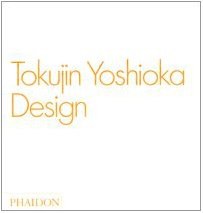
The First Major Book on one of Japan's Most Radical Designers;Renowned Designer of theHoney-pop Chair."This ability to create something that moves us, using simple tools, is atthe root of his talent; he is superbly gifted in capturing people's heartsin this way. . . . With his enthusiasm and vigor, it is impossible topredict just how far he may push himself in the future."Issey Miyake,from Tokujin Yoshioka DesignTokujin Yoshioka (b.1967) is one of the most important young Japanesedesigners working today.Yoshioka's client list includes shop design forIssey Miyake; space design for Nissan, BMW, Shiseido; exhibition design forIssey Miyake, Herm+s, Muji and Peugeot; and product design for Driade. His work ranges from constructing a chair solely out of honeycomb sheets ofpaper to transforming and re-locating a 150-year-old rice barn into hisTokyo studio.Experimenting with a sophisticated interplay of materials,shapes, freshness, and creativity, his approach continually astounds.TOKUJIN YOSHIOKA DESIGN by Ryu Niimi, and with contributing essays by PaolaAntonelli, Elisa Astori, Kozo Fujimoto, Ross Lovegrove, Ingo Maurer, IsseyMiyake and Ryu Niimi, is the first book to present the designer's entirebody of work.From his early projects and well-known designs for the IsseyMiyake shop in Tokyo, and the iconic Honey-pop chair, to his products todayfor Driade, this lush monograph combines a major a survey of his careerwith essays by contemporary designers and critics.The book includes notonly color photographs of the finished product, but sketches and snapshotsof the manufacturing process, showing the processes at work behindYoshioka's design from conception to culmination.After graduating from Kuwasawa Design School in Tokyo, Yoshioka studieddesign under Shiro Kuramata and Issey Miyake.Yoshioka created the hatsand other accessories worn in the Miyake's fashion shows as well asdesigned the boutiques' window displays.The motivation behind all of hiswork focuses on how the act of design is expressed and experienced. Technically excellent with a superb appreciation of light as a designmaterial, his designs use fiber optics, stunning light installations, andreflective-transparent materials in a way that leaves the observer with theimpression that the future has arrived.In 2000 Yoshioka established his own design studio where he produced hismost famous designs including the Honey-pop chair, a chair made completelyout of paper.Flat-packed, until it is opened out into a 3-D form, thechair is custom molded by the weight and body shape of the user. Consistent with Yoshioka's design ethic, the interaction between humanbeings and materials is central.Materials grow, alter, sculpt, and eventransform a chair into an intriguing living system.The Honey-pop chair isin the permanent collections of the Museum of Modern Art, New York and theVitra Design Museum, Berlin, among others. For Tokujin Yoshioka design means communicating something fascinating,surprising, joyful, and unexpected and with the release of this monographwe are now able to witness this exciting dialogue first-hand.
作者简介
目录信息
读后感
用户评价
这本设计图录简直是一场视觉的盛宴,它的装帧本身就透露着一种对细节的执着追求。我几乎能感受到每一页纸张的纹理,那种微妙的触感让人爱不释手。翻开书页,立刻被那种极简主义的美学所震撼。它不是那种堆砌华丽辞藻或复杂图表的说明书,而更像是一份精心策划的展览目录,每一件作品都被置于一个近乎纯净的背景之下,让你不得不专注于其形式、材质和光影的互动。尤其是关于材料的呈现,那份对原始材料的尊重和挖掘,让人不得不重新审视我们习以为常的日常物品。比如,书中展示的几件灯具设计,仅仅通过对光的巧妙引导和对材料透明度的把控,就营造出一种近乎冥想般宁静的氛围。我特别喜欢其中一组关于“流动性”的探讨,设计师如何用看似固态的材料去捕捉和表达瞬息万变的状态,这种哲学层面的思辨,让这本书超越了一本普通的设计作品集,更像是一本关于当代美学哲学的深度访谈录。对于任何一个痴迷于设计本质的爱好者来说,这本册子提供的不仅仅是灵感,更是一种观看世界的新视角。
评分这本书的印刷质量,简直是教科书级别的。我手里拿的这本,纸张的选择非常考究,那种略带哑光的质感,完美地中和了现代主义设计可能带来的冰冷感,增添了一丝人文的温度。当我翻阅那些关于家具和生活用品的部分时,我注意到了一个细节:即便是最简单的线条,在书中的呈现也清晰锐利,色彩的还原度极高,这对于研究设计师如何运用色彩的微妙梯度来说至关重要。那些极度依赖光影变化的雕塑性作品,通过这本册子,仿佛被赋予了三维的立体感,立体感之强,让我忍不住想去触摸实物。最让我赞叹的是,它没有过度美化或戏剧化设计过程,而是以一种近乎科学记录的严谨态度,展示了从草图到成品的转化过程。这种对“真实”的呈现,对于年轻设计师来说,是最好的教育范本——设计不是魔法,而是对材料和逻辑的深刻理解。
评分坦白说,我是一个对极简主义抱有复杂情感的读者,因为它有时会显得过于疏离。但这本书成功地消解了这种距离感。它不是那种高高在上的艺术殿堂展示,而是巧妙地将冰冷的设计语言,与日常生活的诗意联系起来。比如,书中对水滴、折纸、以及自然界中不规则形态的抽象提炼,被精准地转化成了可触摸的工业产品,这种跨界的对话非常精彩。这本书的文字部分(尽管不多)也很有意思,它们没有用设计师的术语去粉饰太平,而是用一种近乎散文诗的笔调,阐述了他们对“存在”和“功能”之间关系的看法。我尤其欣赏它对“无用之用”的探讨,设计师如何通过去除多余的装饰,来凸显物品最本质的价值和魅力。这本书读起来的节奏非常流畅,不会让人产生阅读疲劳,更像是跟随一位睿智的导师,在一次安静而深入的对话中,不断领悟新的设计真谛。
评分我花了好几个小时沉浸在这本书的影像世界里,说实话,一开始我有些担心,因为这类专注于个人作品集的书籍,很容易陷入自嗨和重复的窠臼。然而,这本书的叙事方式非常高明。它没有采用传统的编年史或者项目分类法,而是更侧重于“概念的演变”。你会发现,某些看似不相关的项目,在光线的处理上却有着惊人的共鸣,或者在对“重量感”的解构上如出一辙。摄影师的功力绝对是加分的项,他们没有简单地记录产品,而是捕捉了作品与周围空间的关系,那种克制却有力的构图,让每一张照片都具备了独立的艺术价值。其中关于“空间感知”的一系列研究,让我深受启发。设计师是如何在有限的空间内,通过材质的对比和体量的平衡,创造出无限延展的错觉,这比直接告诉你“我用了什么材料”要高明得多。这本书的排版也极其冷静,大量的留白不是偷懒,而是精心设计的呼吸空间,它强迫你放慢阅读速度,去体会那些未被言说的部分。
评分我发现这本书最宝贵的一点,在于它清晰地展示了一个“克制”的设计哲学是如何建立起来的。它并非空洞地谈论“少即是多”,而是通过一系列案例的层层递进,让你真正理解这份“少”背后的复杂取舍和决断。从早期的对几何形态的偏爱,到后期对光线与空气的雕琢,那种思维的演进脉络清晰可见。这本书的索引和附录部分也做得非常专业,对于想要深入研究特定材料或者技术方法的读者来说,提供了极佳的参考价值。我不是设计师出身,但即便作为一个旁观者,也能感受到那种近乎偏执的求索精神——他们对每一个细节的打磨,都蕴含着对使用者体验的终极关怀。它让我意识到,真正的设计大师,不是在创造新的东西,而是在重新发现和提纯已经被遗忘的美好和本质。这是一本值得反复翻阅,每一次都能发现新层次的深度之作。
评分 评分 评分 评分 评分