
具体描述
作者简介
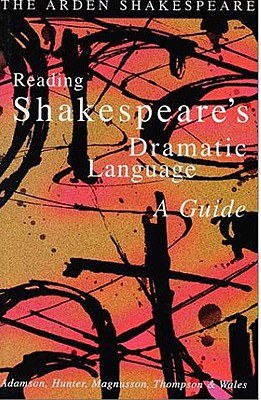
Lynette Hunter is Professor of the History of Rhetoric at the University of Leeds and a professor in the Department of Theatre and Dance at the University of California, Davis. Her research interests include Renaissance rhetoric, particularly in the areas of science, women's history, and politics. She has worked in many areas of theater practice including acting, directing, stage management, and make-up, and has developed an international reputation for a series of performance pieces relating to critical theory and library texts. Lynne Magnusson is Professor of English at the University of Toronto. She is the author of a book entitled Shakespeare and Social Dialogue: Dramatic Language and Elizabethan Letters, and her articles on Shakespeare have appeared in Shakespeare Survey, Shakespeare: An Oxford Guide, and various other publications. Her other research interests include letter writing and early modern women writers. Sylvia Adamson is Professor of English Language and Literature at the University of Sheffield, where she is also Chair of Renaissance Studies in the School of English. Her main interests lie in the evolution and history of the English language. Her articles in The Cambridge History of the English Language entitled "The Literary Language" constitute the first modern attempt to explain the history of literary style from the Renaissance to present. She is the author of more than two dozen articles on the English language. This accessible and interdisciplinary collection looks at some of the challenges faced by today's students in studying the rich complexity of Shakespeare's language. Rooted in practical examples, it pulls together discussions from the fields of literary criticism, performance, and the history of language, and focuses on a selection of the more frequently studied Shakespearean texts. The organization of topics is intended to encourage students to recognize the many similarities between the writing and language use of Shakespeare's time and our own, as well as to understand and appreciate the differences. This guide to reading Shakespeare's dramatic language includes: Twelve short essays on aspects of literary criticism and performance, bringing together practical criticism, an understanding of renaissance rhetoric, and modern conversation theory, with some issues of reading writing, and staging. Four essays by historians of English, exploring Shakespeare's sounds, grammar, and word-making strategies, as well as his rich repertoire of regional and social varieties. An A-Z of literary and language terms that would have been familiar to readers and writers in the early modern period, and which are common to us today although often under different names. An annotated bibliography of further reading.
目录信息
List of contributors
List of abbreviations for works by Shakespeare
Preface
PART I: THE LANGUAGE OF SHAKESPEARE’S PLAYS
Introduction
1. Heightened Language
Ann Thompson
2. Style, Rhetoric, and Decorum
Lynne Magnusson
3. The Grand Style
Sylvia Adamson
4. Shakespeare’s Meter Scanned
George T. Wright
5. Puns and Parody
Walter Nash
6. Description
William C. Carroll
7. Narrative
David Scott Kastan
8. Persuasion
Lynette Hunter
9. Dialogue
Lynne Magnusson
10. Characters in Order of Appearance
Pamela Mason
11. Shakespeare’s Language in the Theater
Peter Lichtenfels
12. Language and the Body
Keir Elam
PART II: READING SHAKESPEARE’S ENGLISH
Introduction
13. Varieties and Variation
Katie Wales
14. Understanding Shakespeare’s Grammar: Studies in Small Words
Sylvia Adamson
15. Shakespeare’s New Words
Terttu Nevalainen
16. Shakespeare’s Sounds
Roger Lass
PART III: RESOURCES FOR READERS
An A-Z of Rhetorical Terms
Katie Wales
A Guide to Further Reading
· · · · · · (收起)