
具体描述
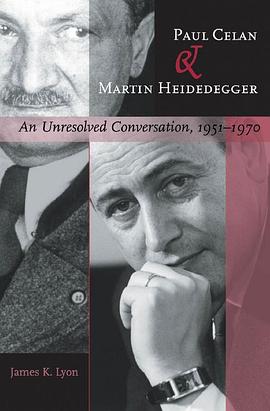
This work explores the troubled relationship and unfinished intellectual dialogue between Paul Celan, regarded by many as the most important European poet after 1945, and Martin Heidegger, perhaps the most influential figure in twentieth-century philosophy. It centers on the persistent ambivalence Celan, a Holocaust survivor, felt toward a thinker who respected him and at times promoted his poetry. Celan, although strongly affected by Heidegger's writings, struggled to reconcile his admiration of Heidegger's ideas on literature with his revulsion at the thinker's Nazi past. That Celan and Heidegger communicated with each other over a number of years, and in a controversial encounter, met in 1967, is well known. The full duration, extent, and nature of their exchanges and their impact on Celan's poetics has been less understood, however. In the first systematic analysis of their relationship between 1951 and 1970, James K. Lyon describes how the poet and the philosopher read and responded to each other's work throughout the period. He offers new information about their interactions before, during, and after their famous 1967 meeting at Todtnauberg. He suggests that Celan, who changed his account of that meeting, may have contributed to misreadings of his poem "Todtnauberg." Finally, Lyon discusses their two last meetings after 1967 before the poet's death three years later. Drawing heavily on documentary material-including Celan's reading notes on more than two dozen works by Heidegger, the philosopher's written response to the poet's "Meridian" speech, and references to Heidegger in Celan's letters-Lyon presents a focused perspective on this critical aspect of the poet's intellectual development and provides important insights into his relationship with Heidegger, transforming previous conceptions of it.
作者简介
目录信息
读后感
真的是一本充满苦劳的书,材料扎实详细丰富,作者试图从策兰本人的诗文、策兰的海德格尔阅读笔记、策兰与海德格尔的通信和其他人的旁证中寻找两人精神交流的痕迹。虽然在阅读策兰诗歌的过程中,很容易就能发现他与海德格尔的关联,但这本书提供了更多具体而清晰的证据,还厘清...
评分真的是一本充满苦劳的书,材料扎实详细丰富,作者试图从策兰本人的诗文、策兰的海德格尔阅读笔记、策兰与海德格尔的通信和其他人的旁证中寻找两人精神交流的痕迹。虽然在阅读策兰诗歌的过程中,很容易就能发现他与海德格尔的关联,但这本书提供了更多具体而清晰的证据,还厘清...
评分真的是一本充满苦劳的书,材料扎实详细丰富,作者试图从策兰本人的诗文、策兰的海德格尔阅读笔记、策兰与海德格尔的通信和其他人的旁证中寻找两人精神交流的痕迹。虽然在阅读策兰诗歌的过程中,很容易就能发现他与海德格尔的关联,但这本书提供了更多具体而清晰的证据,还厘清...
评分真的是一本充满苦劳的书,材料扎实详细丰富,作者试图从策兰本人的诗文、策兰的海德格尔阅读笔记、策兰与海德格尔的通信和其他人的旁证中寻找两人精神交流的痕迹。虽然在阅读策兰诗歌的过程中,很容易就能发现他与海德格尔的关联,但这本书提供了更多具体而清晰的证据,还厘清...
评分真的是一本充满苦劳的书,材料扎实详细丰富,作者试图从策兰本人的诗文、策兰的海德格尔阅读笔记、策兰与海德格尔的通信和其他人的旁证中寻找两人精神交流的痕迹。虽然在阅读策兰诗歌的过程中,很容易就能发现他与海德格尔的关联,但这本书提供了更多具体而清晰的证据,还厘清...
用户评价
当我拿到这本书的时候,我立刻意识到这绝对不是一本轻松的读物,也不是那种为了迎合市场而生搬硬套的“名人对谈”。书名本身就预示着一场严谨、深入的思想对话,一场在诗歌与哲学之间、在历史与存在之间进行的艰难探究。策兰的诗,字字句句都仿佛从生死线上捡拾而来,充满了对语言极限的挑战,也充满了对人类苦难的深刻体认。而海德格尔,他的哲学体系则致力于揭示“存在”本身的奥秘,揭示我们作为“此在”如何在这个世界上安身立命。我非常好奇,作者将如何处理策兰诗歌中那种令人窒息的“负罪感”(Schuld)以及对“不可言说”(Unaussprechlich)的感知,这是否与海德格尔的“焦虑”(Angst)和“责任”(Verantwortung)的概念有着内在的联系?Furthermore, I'm eager to see how the author addresses the concept of *Heimat* (homeland/home) in Celan's poetry, and whether Heidegger's ideas on *Ort* (place) and the significance of dwelling can offer a philosophical framework for understanding Celan's profound sense of displacement and longing for an authentic rootedness. The critical challenge, of course, lies in navigating the complex historical context that separates and connects these two figures. I anticipate a nuanced discussion that acknowledges the difficulties, rather than glossing over them, in forging connections between Celan's experiences as a victim of Nazi persecution and Heidegger's problematic political affiliations. This book, I believe, has the potential to unlock a deeper appreciation for both thinkers by revealing the intricate philosophical underpinnings of poetic expression and the poetic dimensions of philosophical inquiry.
评分第一次翻开这本书,我就被它直截了当的书名所吸引。保罗·策兰,一个名字本身就带着历史的重量和诗意的苍凉;马丁·海德格尔,一个名字则象征着现代哲学的一座高峰,同时又伴随着争议。将两者并置,本身就是一种大胆的学术尝试,预示着一场深刻的思想碰撞。我迫切地想知道,作者是如何构建策兰与海德格尔之间联系的。策兰的诗歌,尤其是他关于“沉默”、“死亡”、“家园”、“石头”等意象的描绘,常常让我感到一种超越语言的悲伤和追寻。这些诗句,是否能够通过海德格尔的“在世”(In-der-Welt-sein)概念来解读?策兰诗中强烈的“他者”体验,是否能与海德格尔关于“操心”(Besorgen)以及“他人”(Man)的论述产生关联?更重要的是,海德格尔关于“语言是存在的房屋”(Die Sprache ist das Haus des Seins)的论断,对于理解策兰如何在一个被历史摧残的语言中,试图重建意义,又何尝不是一种至关重要的参照?这本书或许能为我提供一种新的视角,让我不再仅仅将策兰的诗视为纯粹的文学创作,而是看作一种对存在性困境的深刻哲学回应。我想看看作者是如何处理策兰诗歌中的“犹太性”与海德格尔哲学之间的潜在张力,这无疑是本书最为棘手,也最为吸引人的地方。能否在对策兰诗歌进行细致入微的解读的同时,又能精准地把握海德格尔哲学中的关键概念,并将两者有机地结合起来,这才是衡量本书成功与否的关键。我期待它能提供一种既有深度又不失新意的分析。
评分我一直觉得,保罗·策兰的诗歌是一种“在悬崖上的语言”。它们既要面对历史的断裂和语言的枯竭,又要试图在那虚空中抓住一丝存在的确定性。而海德格尔,恰恰是那个深入探讨“存在”本身,以及我们如何“在此在”(Dasein)的世界中的哲学家。将这两者联系起来,这本书无疑是一场重要的学术探险。我特别想了解,作者是如何运用海德格尔的“思”(Denken)和“静默”(Stille)来理解策兰诗歌中的“沉默”的。策兰诗歌中的“无家可归”(Heimatlosigkeit),这种精神上的漂泊和对“家”的永恒追寻,是否能与海德格尔关于“漂泊”(Entwurzelung)和“荒野”(Ge-stell)的论述相呼应?我期待这本书能够深入到策兰诗歌的每一个词语,每一个意象,并从中挖掘出海德格尔哲学中的精确对应,但更重要的是,我希望它能揭示出两者之间那种既可能相互启发,又可能产生深刻分歧的思想张力。例如,海德格尔对于“技术”(Technik)的批判,以及他对于“诗”(Dichtung)的看重,对于我们理解策兰诗歌如何抵抗现代性的侵蚀,以及如何在语言的废墟中寻找“另一种思”的可能,提供了怎样的启示?这本书的魅力,可能就在于它能够让我们在阅读策兰诗歌时,感受到一种哲学层面的支撑,同时,在理解海德格尔的哲学时,也能体验到一种诗意的鲜活。我期待它能为我提供一种理解这两位思想巨匠的新方法。
评分我之所以选择阅读这本书,完全是被它所提出的研究对象和它们之间的潜在联系所吸引。保罗·策兰,这位用德语写作的犹太诗人,他的诗歌承载着对 Holocaust 的记忆,也探索着语言在极端暴力面前的失效与重生。马丁·海德格尔,这位20世纪最伟大的哲学家之一,他的哲学深刻地探讨了“存在”、“真理”、“历史”等宏大命题,同时也因其与纳粹政权的联系而备受争议。将两者并置,本身就充满了挑战性,也充满了哲学上的可能性。我希望这本书能够深入挖掘策兰诗歌中那些关于“破碎”、“伤痕”、“沉默”的意象,并尝试用海德格尔的“荒野”(Ge-stell)和“操心”(Besorgen)等概念来解释这些意象所揭示的存在困境。Furthermore, I'm keen to understand how Heidegger's concept of *Verfallen* (falling into the everyday) might shed light on the sense of alienation and loss of authentic self that permeates much of Celan's work. The book's success, in my view, will hinge on its ability to navigate the historical sensitivities surrounding Heidegger's past while still drawing meaningful philosophical connections to Celan's profound poetic explorations of memory, loss, and the struggle for meaning in a fractured world. I anticipate this work will offer a sophisticated framework for understanding how philosophical concepts can enrich our reading of poetry, and conversely, how poetry can offer a unique pathway into understanding complex philosophical ideas.
评分我对这本书的期待,更多的是一种对知识空白的填补,以及对现有理解的深化。保罗·策兰的诗,我虽然读过不少,但总觉得有些门槛,那些精炼、破碎的词语背后,似乎总藏着更深层的含义,等待着被发掘。而海德格尔的哲学,我虽有所涉猎,但其晦涩的语言和深邃的思想,常常让我感到力不从心。因此,将这两位看似遥远却又可能息息相关的思想家并置,对我而言,是一次难得的学习机会。我想知道,作者是如何运用海德格尔的“此在”(Dasein)概念来分析策兰诗歌中“人”(Mensch)的生存状态的。策兰诗歌中那种强烈的“存在性孤独”(Existential Loneliness)以及对“意义”(Sinn)的追寻,是否能找到海德格尔哲学中的对应?例如,海德格尔关于“烦”(Sorge)的分析,是否能帮助我们理解策兰诗中那种挥之不去的忧愁和追问?Furthermore, I'm particularly interested in the author's approach to Celan's engagement with Jewish tradition and identity, and how this might intersect with or diverge from Heidegger's discussions on tradition and authenticity. The book's ability to bridge the gap between poetic sensibility and philosophical rigor, to demonstrate how Celan's language grapples with the fundamental questions of existence that Heidegger meticulously dissects, is what I am most looking forward to. I anticipate this work will offer a robust intellectual toolkit for engaging with both figures, revealing the profound ways in which poetry can embody philosophical insight and how philosophy can illuminate the depths of poetic experience.
评分从书名本身,我就能感受到一种强烈的思想张力。保罗·策兰,他的诗歌是语言的废墟上开出的花朵,是对历史创伤的血泪见证,也是对存在的永恒追问。而马丁·海德格尔,他的哲学是现代思想的一座丰碑,是对“存在”本身进行的深刻挖掘,也是对人类生存境况的精准诊断。将这两者并置,无疑是对思想深度的一种极致追求。我期待这本书能够深入探讨策兰诗歌中那些关于“死亡”、“沉默”、“家园”的意象,并试图用海德格尔的“面向死亡”(Sein zum Tode)和“静默”(Stille)等概念来解读这些意象所承载的哲学含义。策兰诗中那种对“真实”(Wahrheit)的追求,那种在语言的极限处寻找意义的努力,是否能与海德格尔关于“真理作为存在之显现”的论述产生某种深刻的联系?Furthermore, I am keen to see how the author navigates the complex relationship between Celan's Jewish heritage and Heidegger's problematic philosophical and political stances. A nuanced and critical approach that acknowledges these historical realities while still exploring the intellectual affinities between their works is what I most anticipate. This book, I believe, has the potential to offer a compelling intellectual journey, revealing the profound ways in which poetry can embody philosophical insight and how philosophy can illuminate the depths of poetic experience, ultimately deepening our understanding of both figures and the human condition.
评分我拿起这本书,首先感受到的是一种智识上的挑战和诱惑。保罗·策兰,这位被誉为“20世纪最伟大的犹太诗人”之一,他的诗歌以其精炼、晦涩、却又充满生命力的语言,深刻地反映了20世纪欧洲的创伤和人类存在的困境。马丁·海德格尔,这位20世纪最重要的哲学家之一,他的思想以其对“存在”、“时间”、“语言”等概念的深刻反思,为理解人类生存境况提供了独特的视角。将两者并置,无疑是一次极具野心的学术尝试。我迫切地想知道,作者是如何运用海德格尔的“此在”(Dasein)概念来解读策兰诗歌中“人”的生存状态的,以及策兰诗中那种强烈的“漂泊感”(Heimatlosigkeit)和对“家园”(Heimat)的永恒追寻,是否能在海德格尔的“在世”(In-der-Welt-sein)和“地点”(Ort)等概念中找到哲学上的对应。Furthermore, I am particularly intrigued by how the book might address the critical concept of *memory* in both thinkers, exploring how Celan's poetry confronts historical trauma and the silence surrounding it, and how Heidegger's philosophy grapples with history, tradition, and the transmission of authentic meaning. The success of this endeavor, I believe, lies in its ability to demonstrate the profound resonances between poetic sensibility and philosophical thought, offering readers new ways to appreciate the depth and complexity of both figures.
评分读完这本书的序言,我已经被深深吸引。作者并没有急于给出结论,而是首先铺陈了策兰诗歌的独特性——那种破碎、精准、却又充满生命力的语言,以及它所承载的沉重历史。接着,作者又简要回顾了海德格尔哲学的核心关切,特别是他对于“真理”、“存在”、“时间性”的探讨。这种循序渐进的引入方式,为后续的深入分析打下了坚实的基础。我尤其关注作者是如何处理策兰诗歌中的“遗忘”与“记忆”主题的,这在策兰的《科尔马死亡赋格》中尤为突出。海德格尔关于“被抛”(Geworfenheit)和“面向死亡”(Sein zum Tode)的论述,是否能为我们理解策兰诗中那无法摆脱的过去和对死亡的深刻体验提供某种理论支持?而且,策兰诗中对“土地”、“根”的反复提及,以及他对“名字”的敏感,是否能与海德格尔关于“地点”(Ort)和“命名”(Namen-geben)的思考产生某种共鸣?我期待这本书能够帮助我更清晰地认识到,策兰的诗歌并非仅仅是对二战后欧洲创伤的文学记录,而是对人类生存境况本身一种深刻的哲学反思。同时,我也好奇作者是否会探讨海德格尔的“转向”(Kehre)概念,以及策兰的诗歌是否能够被视为一种“转向”,一种在语言的废墟中寻找新生的可能。这本书的价值,就在于它能够为我们提供一个跨越文学与哲学的桥梁,让我们在策兰的诗意世界和海德格尔的哲学体系之间,看到更深刻的联系和启示。
评分这本书的封面和书名,就足以让我对它产生强烈的学术好奇心。保罗·策兰,一个名字,就足以唤起我对20世纪诗歌的深刻反思,他的语言,既是伤痕的烙印,也是精神的救赎。而马丁·海德格尔,他的哲学,以其对“存在”的深刻洞察,重塑了现代哲学。当这两位思想巨匠被并置于同一本书名之下时,我无法不期待一场深刻的思想碰撞。我尤其想知道,作者是如何处理策兰诗歌中那种对“语言”的极端敏感和其“破坏性”的创新,这是否与海德格尔关于“语言是存在的房屋”的论述,或者他对于“技术性”(Technological rationality)的批判,有着内在的联系?策兰诗歌中的“大地”(Erde)和“星星”(Stern)等意象,是否能与海德格尔关于“地点”(Ort)和“神圣”(Heilig)的思考产生某种共鸣?Furthermore, I am eager to see how the author grapples with the ethical dimension of this intellectual encounter, particularly in light of Heidegger's controversial political involvement and Celan's own experiences as a survivor of the Holocaust. A nuanced exploration that acknowledges these complexities, rather than shying away from them, is what I most value. I believe this book has the potential to offer a transformative reading experience, one that illuminates the profound interplay between poetic creation and philosophical inquiry, and the enduring human quest for meaning in the face of historical trauma.
评分这本书名本身就足以激起我对保罗·策兰诗歌的深层探究欲望,也迫使我重新审视马丁·海德格尔的哲学,尤其是它们之间可能存在的、充满张力和智慧的对话。策兰,那位用德语写出如此动人、却又如此破碎诗句的诗人,他的语言既是历史创伤的见证,也是生存困境的精准描摹。而海德格尔,那位深刻揭示“存在”与“此在”奥秘的哲学家,他的思想框架似乎为理解策兰诗歌中的孤独、遗忘、以及那不曾间断的追寻提供了一个宏大的哲学视角。我期待这本书能够像一把精密的解剖刀,深入剖析策兰那些看似晦涩的词语背后所蕴含的哲学思考,以及海德格尔的哪些概念——或许是“荒野”(Ge-stell)、“思”(Denken)、“等待”(Warten)、“时间性”(Zeitlichkeit)——能够照亮策兰诗歌中的黑暗角落。同时,我也好奇这本书是否会探讨两者之间潜在的张力,毕竟,策兰的犹太身份与海德格尔纳粹时期的历史背景,为任何将他们并置的学术探讨蒙上了一层复杂而沉重的色彩。这本书能否成功地跨越这些鸿沟,挖掘出两者在思想深处共鸣抑或警示的部分,是我最期待看到的。我相信,对策兰诗歌的理解,很大程度上依赖于对存在境遇的哲学把握,而海德格尔无疑是这方面最深刻的思考者之一。因此,这本书的价值,或许就在于它能够为我们提供一种新的阅读策兰的维度,一种将诗歌的感性体验与哲学思辨相结合的独特路径。我希望作者能够避免流于表面上的简单对应,而是能够深入到策兰的诗句肌理中,在海德格尔的哲学词汇中寻找到恰如其分的共鸣,或者,是那些能够引发更深层疑问的出发点。
评分 评分 评分 评分 评分