
具体描述
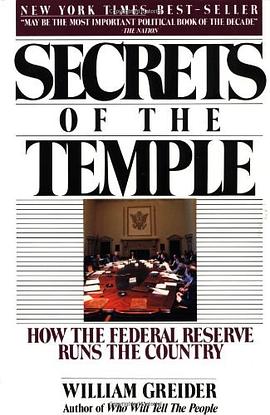
This ground-breaking best-seller reveals for the first time how the mighty and mysterious Federal Reserve operates -- and how it manipulated and transformed both the American economy and the world's during the last eight crucial years. Based on extensive interviews with all the major players, Secrets of the Temple takes us inside the government institution that is in some ways more secretive than the CIA and more powerful than the President or Congress.
Excerpt. © Reprinted by permission. All rights reserved.
Chapter 1
THE CHOICE OF WALL STREET
In the American system, citizens were taught that the transfer of political power accompanied elections, formal events when citizens made orderly choices about who shall govern. Very few Americans, therefore, understood that the transfer of power might also occur, more subtly, without elections. Even the President did not seem to grasp this possibility, until too late. He would remain in office, surrounded still by the aura of presidential authority, but he was no longer fully in control of his government.
The American system depended upon deeper transactions than elections. It provided another mechanism of government, beyond the reach of the popular vote, one that managed the continuing conflicts of democratic capitalism, the natural tension between those two words, "democracy" and "capitalism." It was part of the national government, yet deliberately set outside the electoral process, insulated from the control of mere politicians. Indeed, it had the power to resist the random passions of popular will and even to discipline the society at large. This other structure of American governance coexisted with the elected one, shared power with Congress and the President, and collaborated with them. In some circumstances, it opposed them and thwarted them.
Citizens were taught that its activities were mechanical and nonpolitical, unaffected by the self-interested pressures of competing economic groups, and its pervasive influence over American life was largely ignored by the continuing political debate. Its decisions and internal disputes and the large consequences that flowed from them remained remote and indistinct, submerged beneath the visible politics of the nation. The details of its actions were presumed to be too esoteric for ordinary citizens to understand.
The Federal Reserve System was the crucial anomaly at the very core of representative democracy, an uncomfortable contradiction with the civic mythology of self-government. Yet the American system accepted the inconsistency. The community of elected politicians acquiesced to its power. The private economy responded to its direction. Private capital depended on it for protection. The governors of the Federal Reserve decided the largest questions of the political economy, including who shall prosper and who shall fail, yet their role remained opaque and mysterious. The Federal Reserve was shielded from scrutiny partly by its own official secrecy, but also by the curious ignorance of the American public.
It was in midsummer of 1979 when this competing reality of the American system confronted the President of the United States and discreetly compelled him to yield. Jimmy Carter, in the third year of his Presidency, was engulfed by popular discontent and declining authority. The public that first embraced the simple virtues Carter expressed in his gentle Georgia accent -- earnest striving and honest, open government -- was by then overwhelmingly disenchanted with his management. Despite its accomplishments, the Carter Presidency had come to stand for confusion and inconsistency. His stature was diminished by a series of ill events, from failed legislation to revolution in Iran. A Gallup poll asked Democrats whom they would prefer as their party's nominee in 1980 and they chose Senator Edward M. Kennedy of Massachusetts over the incumbent President, 66 to 30 percent.
In early July, Jimmy Carter set out to restore his popular support. The political crisis had been developing for many months but was now dramatized by the President's own behavior. He scheduled an address to the nation on energy problems, then abruptly canceled it and, somewhat mysteriously, withdrew from the daily business of the White House. He and his closest advisers gathered in private at Camp David, the presidential retreat in the Maryland mountains. For ten days, the President remained there in isolation, conducting earnest seminars on what had gone wrong with the Carter Presidency and, indeed, what had gone wrong with America itself.
A stream of influential visitors was summoned to the President's lodge to offer advice. They were diverse opinion leaders from politics, education, religion and other realms, and their talk skipped across the landscape of American life. In his methodical manner, Carter filled a notebook with their comments. Each day, the press speculated extravagantly on what the President intended to do.
On Saturday, July 14, the isolation ended and Jimmy Carter returned to the White House. The next evening, more than two-thirds of the national audience gathered before their television sets to hear his report. After two and a half years, Carter's unusual mannerisms were familiar to the public, the rising and falling cadences that sounded like a Protestant preacher, the cheerful smile that sometimes oddly punctuated stern passages. This speech was different, more somber in tone, more desperate in content.
The President began with a startling ritual of confession -- revealing excerpts of the private criticism he had collected at the Camp David meetings. "Mr. President," a southern governor had told him, "you are not leading this nation -- you are just managing the government." Others' comments were equally critical. "You don't see the people enough anymore." "Don't talk to us about politics or the mechanics of government, but about an understanding of our common good." "Some of your Cabinet members don't seem loyal. There is not enough discipline among your disciples." "Mr. President, we are in trouble. Talk to us about blood and sweat and tears."
A religious leader had told him: "No material shortage can touch the important things like God's love for us or our love for one another." Carter said he especially liked the comment from a black woman who was mayor of a small town in Mississippi: "The big shots are not the only ones who are important. Remember, you can't sell anything on Wall Street unless someone digs it up somewhere else first." The President was candid about his own shortcomings as a political leader: "I have worked hard to put my campaign promises into law -- and I have to admit, with just mixed success."
The present crisis, however, was not really a matter of legislation, Carter declared. America faced a crisis of the soul, a testing of its moral and spiritual values. "The threat is nearly invisible in ordinary ways," the President warned. "It is a crisis of confidence. It is a crisis that strikes at the very heart and soul and spirit of our national will. We can see this crisis in the growing doubt about the meaning of our own lives and in the loss of a unity of purpose for our Nation."
Spiritual distress was an abstraction, but the source of America's political discontent was actually quite tangible. It was the lines at gas stations that made people angry and gasoline at $1.25 a gallon. It was the constantly rising prices on supermarket shelves, prices that seemed to change every week and always higher. In the spring of 1979, after the revolutionary upheaval in Iran had interrupted its oil production, the cartel of oil-producing nations, OPEC, had seized the opportunity of temporary shortages to raise world petroleum prices again. OPEC, which had roughly quadrupled oil prices during its embargo of 1973-1974, more than redoubled them through 1978 and 1979. This second "oil shock," as economists called it, automatically fed price increases into nearly every product, every marketplace where Americans bought and sold.
The latest oil-price shock, moreover, occurred at an especially bad time, when the inflation rate in the United States was already abnormally high. In the first three months of 1979, the government's index of consumer prices, covering everything from food to housing, had risen at an annual rate of nearly 11 percent. In a year's time, a dollar would buy only 89 cents' worth of goods. A $6,000 car would soon cost $660 more. And every wage earner would need a pay raise of more than 10 percent simply to stay even with prices. Through the second quarter of 1979, April to June, as the OPEC price increases took hold, the inflation rate had worsened, reaching 14 percent. By early summer, motorists in some regions were once again waiting in line at gas stations and Jimmy Carter's political popularity had reached a dangerously low point. In July, according to public-opinion polls, barely a fourth of the voters approved of his performance as President.
Carter and his advisers hoped that the dramatic speech, followed by swift and decisive actions, would turn things around. His message was daring. In similar circumstances, a different political leader might have blamed the economic distress on others -- on an easily recognized villain like the Arab nations of OPEC or the multinational oil companies -- and deflected Americans' resentment toward them. But polarizing politics, the technique of "us against them," was not Carter's style. Instead, he asked the people to blame themselves, just as he had done. The speech did outline an ambitious six-part energy program, designed to overcome the nation's dependency on imported oil. But the central message, the one most citizens would remember, was a critique of their own materialism:
In a nation that was proud of hard work, strong families, close-knit communities and our faith in God, too many of us now tend to worship self-indulgence and consumption. Human identity is no longer defined by what one does, but by what one owns. But we have discovered that owning things and consuming things does not satisfy our longing for meaning. We have learned that piling up material goods cannot fill the emptiness of lives which have no confidence or purpose.
The President called the country to sacrifice and spiritual renewal. He asked his audience for cooperative self-denial, to forgo the excesses of material pleasures in the national interest. Carter's speech did not even mention the Federal Reserve and its management of money, the government's handle on interest rates and credit expansion by which Washington ultimately influenced both p...
作者简介
William Greider, author of The Education of David Stockman and Other Americans and a former Assistant Managing Editor of The Washington Post, lives in Washington, D.C.
目录信息
读后感
书本身应该不错,但翻译是个外行,读译本比读原著还辛苦。字数妹妹,手机打字容易吗,还不够还不够。翻译耿丹,差劲
评分强烈怀疑译者是外行! ①“公开市场办公室”译成“开放式市场桌面”, ②“公开市场操作”译成“开放式市场买卖”, ③第43页”美联储是一个政府,包括12家联邦储备银行……“ ④第23页“诸如通用电器这样的大企业也会在债券市场上#购买#几十亿美元的长期债券用于厂房扩建,期...
评分强烈怀疑译者是外行! ①“公开市场办公室”译成“开放式市场桌面”, ②“公开市场操作”译成“开放式市场买卖”, ③第43页”美联储是一个政府,包括12家联邦储备银行……“ ④第23页“诸如通用电器这样的大企业也会在债券市场上#购买#几十亿美元的长期债券用于厂房扩建,期...
评分阅读《美联储》实际上就是一个重温西方经济学、特别是宏观部分的过程,它让你想起来以前学过的有关财政政策和货币政策的基本知识,同时又宣告你以往一些常识是错误的。 美联储是家私人银行,这是在学货币银行学时老师告诉我们的。但正如《美联储》里面所阐述的,美联储的独立性...
评分用户评价
让我感到有些**意外和惊喜**的是这本书在**情感描写**上的深度。原本以为它会聚焦于建筑的宏伟或者历史的变迁,但出乎意料的是,作者对于**权力更迭中的人性挣扎**着墨颇多。那些高高在上的祭司,那些身负重任的守卫,乃至那些被时代洪流裹挟的普通民众,他们的恐惧、野心、忠诚与背叛,都被描绘得淋漓尽致。我印象最深的是其中关于**“献祭”场景**的段落,作者没有使用任何煽情或血腥的词汇,而是聚焦于**气氛的凝滞**——那种所有人都知道将要发生什么,却又无力阻止的集体沉默。这种**克制而有力的情感张力**,比任何直接的描述都更具穿透力。它探讨的不是“他们做了什么”,而是“他们**为什么**不得不做”。这种对**道德困境和信仰根基**的深入挖掘,使得整本书的格局一下子提升了。它不再局限于对古代文明的表面描述,而是开始触及人类社会中**永恒的矛盾**。读完这些章节,我久久不能平静,书中人物的命运似乎与我们自身息息相关,他们的选择,在我们今日依然能找到影子。
评分这本书,说实话,拿到手里的时候,我还有点犹豫。封面设计得相当有**历史的厚重感**,那种做旧的羊皮纸质感,配上几个模糊不清的古代符号,让我立刻联想到那些尘封已久的考古发现。我原本以为这会是一本枯燥的学术著作,充斥着晦涩难懂的术语和密密麻麻的脚注。然而,翻开第一页,我立刻被作者那**如同散文诗般**的叙述方式所吸引。他没有直接切入主题,而是花了大量的篇幅描绘了那个失落文明的环境——那种炙热的沙漠气候,偶尔出现的绿洲如同梦境般虚幻,以及夜晚星空下,古人对宇宙的敬畏与探索。这种铺陈手法非常高明,它不像是在**讲解**历史,更像是在**重现**一个时代。我特别喜欢他对**光影**的捕捉,无论是正午阳光下石头上投射出的锐利阴影,还是月光穿过神庙裂缝时留下的幽蓝光带,都写得极具画面感。阅读过程中,我仿佛能闻到空气中弥漫的**香料与尘土混合的味道**,耳边甚至能听到风吹过空旷大殿时发出的那种**空灵的呜咽声**。这不仅仅是一本书,更像是一次**沉浸式的感官体验**,它成功地将一个遥远、几乎被遗忘的世界,以一种既古典又极富生命力的方式呈现在我们面前。如果仅仅从“记录”的角度来看,这本书的文笔已经远超同类题材的作品,它更像是一件艺术品,值得细细品味。
评分这本书的**排版和插图设计**也值得专门提上一笔。它完全打破了传统非虚构类书籍的沉闷感。页边空白的处理非常巧妙,既保证了阅读的舒适度,又留出了足够的空间感。最精彩的是那些**手绘的图谱和示意图**。它们不是那种机械、精确的工程图纸,而是带有**手稿气息**的草图,仿佛是作者亲手在现场绘制的观察记录。有几张关于复杂机械装置的透视图,结构之精妙,令人叹为观止。作者似乎深谙,对于古代文明的理解,**视觉辅助**的重要性不亚于文字阐释。这些图画不仅解释了文字难以描述的复杂结构,更重要的是,它们**增强了文本的真实感和沉浸感**。每当文字描述达到一个高潮时,一张精美的配图恰到好处地出现,仿佛是电影中的一个特写镜头,将读者的注意力牢牢锁定。我甚至愿意为了欣赏这些图画,而多次翻阅同一章节。这种**图文并茂、相得益彰**的处理方式,极大地提升了阅读体验的丰富性和多维性,让读者能够更立体地去构建脑海中的“神庙”形象。
评分我很少对一本书产生**如此强烈的代入感**。这本书的叙事结构非常大胆,它似乎并不遵循严格的时间线索。作者频繁地在**宏大的历史背景**和**微小的个体观察**之间跳跃。例如,他可以突然插入一小段关于某个工匠在雕刻神像时,手指上磨出的老茧的特写,然后下一秒,笔锋一转,又回到了对整个王朝兴衰的**哲学性反思**。这种跳跃性,起初让人有点摸不着头脑,但很快,我意识到这正是作者的高妙之处——他想告诉我们,**历史不是冰冷的日期和事件,而是由无数个鲜活的、充满细节的瞬间构成的**。书中对于**仪式和符号的解读**尤其引人入胜。很多地方,作者并没有给出标准答案,而是抛出了一系列相互矛盾的理论,邀请读者自己去“破译”。这种**开放式的讨论**,极大地激发了我的好奇心。我甚至忍不住在阅读时,随手拿起了笔记本,试图将不同的线索串联起来,构建我自己的“真相”。这种**与作者进行智力上的博弈**的感觉,非常令人上瘾。它迫使你调动所有的背景知识,去揣测那些沉默的遗迹背后究竟隐藏着怎样的智慧与秘密。这本书与其说是在讲述一个故事,不如说是在**邀请你加入一场无尽的学术探险**。
评分总而言之,这本书给我带来的**震撼是多层次的**。它成功地在**严谨的考据**和**迷人的想象**之间找到了一个完美的平衡点。它没有满足于仅仅复述已知的历史碎片,而是以一种**充满敬意的探索精神**,去填补那些历史留下的巨大空白。我尤其欣赏作者在行文间流露出的那种**对未知事物的谦卑态度**。他从不武断地下结论,而是将所有的发现置于一个更宏大的、关于人类文明演进的框架下去审视。读到最后,我产生了一种强烈的冲动——想要立刻去那个传说中的地方,亲手触摸那些石头,去感受那份沉甸甸的时间重量。这本书的价值,绝不仅仅在于它提供了多少“知识”,而在于它**重燃了我对世界、对历史深层秘密的好奇心**。它像一把钥匙,开启了一扇通往更广阔思维空间的大门。阅读完后,我发现自己看待周遭事物的眼光都变得更加细致和富有层次感了。这绝对是一部值得反复阅读,并且每次都能从中汲取新营养的佳作。
评分全面阐述了美联储,货币政策,宏观经济政策的来龙去脉,利弊,争议,历史大背景(阴谋论在这种巨著前显得像城乡结合部染一头黄毛的非主流小弟)。唯一缺点是有点啰嗦
评分全面阐述了美联储,货币政策,宏观经济政策的来龙去脉,利弊,争议,历史大背景(阴谋论在这种巨著前显得像城乡结合部染一头黄毛的非主流小弟)。唯一缺点是有点啰嗦
评分全面阐述了美联储,货币政策,宏观经济政策的来龙去脉,利弊,争议,历史大背景(阴谋论在这种巨著前显得像城乡结合部染一头黄毛的非主流小弟)。唯一缺点是有点啰嗦
评分全面阐述了美联储,货币政策,宏观经济政策的来龙去脉,利弊,争议,历史大背景(阴谋论在这种巨著前显得像城乡结合部染一头黄毛的非主流小弟)。唯一缺点是有点啰嗦
评分全面阐述了美联储,货币政策,宏观经济政策的来龙去脉,利弊,争议,历史大背景(阴谋论在这种巨著前显得像城乡结合部染一头黄毛的非主流小弟)。唯一缺点是有点啰嗦