
具体描述
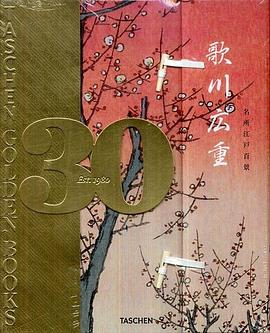
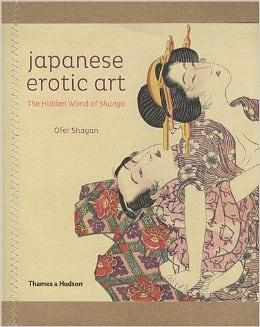
Frequently explicit, but also tender, sensuous and humorous, even educational, shunga – a euphemism meaning ‘picture of spring’ – celebrates all facets of human sexuality. Hugely popular in Japanese society, such depictions were regarded as entirely natural and are an expression of the refined, pleasure-seeking ‘floating world’ culture for which Edo-period Japan, when many of these works were created, is famed.
Shunga works were enjoyed by all sections of society, from samurai to ordinary newly married couples, especially after the advent of woodblock printing made them affordable and accessible – it was even possible to borrow books from libraries. Almost every artist of the famed ukiyo-e school, including Hokusai, Utamaro and Kuniyoshi, created shunga displaying brilliant imagination, great technical achievement and originality.
In a dazzling diversity of images drawn from his own unrivalled collection, Ofer Shagan shows us the full spectrum of sexual practice and expression, including nudity and clothing, voyeurism, gods, monsters and animals, orgasm, adultery and jealousy, and much else. Organized thematically, this book highlights the symbols and motifs, often hidden in the background of the art, which are crucial for a proper understanding and appreciation of this genre.
For a long time shunga remained taboo and excluded from scholarship, but this ambitious book, with a foreword by Professor Andrew Gerstle of the School of Oriental and African Studies, University of London, returns these wonderful artworks to their rightful place in the history of Japanese art, culture and society.
Japanese erotic art, shunga, has a long history, with thousands of paintings, prints, and illustrated books produced, mostly from the s eventeenth to late nineteenth centuries. Shunga literally means “picture of spring”—“spring” being a common Japanese euphemism for sex—and the works celebrate all facets of human sexuality with great candor.
Unlike earlier books that have tended to focus on individual artists, this new publication has a thematic structure, covering the whole spectrum of sexual practice and expression, including adultery and jealousy, voyeurism, orgasm, and violent sex and death. Using images from his own unparalleled collection, Ofer Shagan brings the rich and vast world of shunga to modern view, highlighting the messages, symbols, and humor that often appear in the background but are fundamentally significant for understanding the messages in the art.
1,200+ illustrations in color
作者简介
Ofer Shagan is an art collector who has lived for many years in Japan. Works from his remarkable shunga collection of over 7,000 items have been exhibited at several museums, and he has published books and numerous articles on the subject, as well as on other aspects of his collections.
目录信息
读后感
用户评价
我向来对那种依靠大量图表和数据来支撑论点的学术著作持保留态度,但这本书完全打破了我的固有看法。作者在处理复杂的数据模型和统计分析时,展现出了惊人的清晰度和条理性。图表的设计完全服务于论点的阐述,而不是单纯的数据堆砌,每一个坐标轴的选取,每一种颜色的区分,都经过了严谨的逻辑考量,使得即便是非专业背景的读者也能迅速抓住核心论点。特别是书中关于“系统动力学”的应用部分,作者用极其简洁的语言解释了那些原本晦涩难懂的反馈回路原理,并结合了实际的社会案例进行验证,说服力极强。这本书的严谨性毋庸置疑,但它绝不枯燥,它证明了硬核的科学分析也可以做到优雅和易懂。
评分这本书的叙事节奏把握得非常精准,特别是书中关于某个历史事件的转折点描写,简直是教科书级别的范例。作者采用了多线索交叉叙事的手法,将不同人物在同一时间轴上的心理活动和外部环境变化巧妙地编织在一起,使得整个故事张力十足,悬念迭起。我读到高潮部分时,几乎是屏住呼吸一口气读完的,那种紧张感和期待感持续在线,完全没有一丝拖沓或冗余的情节。人物刻画更是入木三分,即便是配角,其性格侧面也描绘得栩栩如生,他们的每一个选择似乎都根植于其深厚的背景故事之中,让人信服。这本书的魅力就在于它让你感觉自己不是在阅读一个被构建出来的故事,而是亲身参与到了一段真实发生、充满变数的历史洪流之中,代入感极强。
评分这本书的装帧设计简直是一绝,拿到手里就有一种沉甸甸的质感,封面的设计充满了古典韵味,那种用色和留白的处理,让人一眼就能感受到它蕴含的深厚文化底蕴。内页的纸张选择也非常考究,触感细腻光滑,即便是长时间翻阅,眼睛也不会感到疲劳。装帧的工艺细节处理得非常到位,书脊的缝合紧实有力,确保了这本书可以长久保存。我尤其欣赏作者在排版上的匠心独运,无论是文字的字距还是图片的留白,都经过了深思熟虑,使得阅读体验非常流畅舒适。这本书的整体设计语言传达出一种对艺术的尊重和敬畏,让人在接触到内容之前,就已经对创作者的专业精神肃然起敬。可以说,光是欣赏这本书的外在构造,就已经是一种视觉和触觉的双重享受,非常值得藏家细细品味。
评分这本书的文笔带着一种独特的、近乎诗意的疏离感,读起来有一种在冰雪覆盖的清晨独自漫步的感觉,安静、清冷,但又充满着对自然界细微变化的敏锐捕捉。作者似乎对季节的更迭和光影的变化有着近乎痴迷的关注,大量的比喻和象征手法被运用得炉火纯青,但又绝不矫揉造作,而是自然地融入到叙事之中。比如,对“秋日黄昏”的描摹,用了整整一页的篇幅,将色彩、气味、温度以及随之而来的某种难以名状的忧郁情绪,描绘得淋漓尽致,那种文字的质感仿佛真的能被触摸到。阅读这种风格的作品,我需要放慢速度,细细品味每一个词语的选择和组合,它更像是在欣赏一幅用文字构筑的印象派画作,注重氛围的营造而非情节的推进。
评分我最近沉迷于研究古代东方哲学中关于“气”的概念,这本书的某个章节,虽然篇幅不长,但对“生命能量的流动与停滞”进行了极其深刻的阐释。作者的行文风格极其老练,句子结构复杂多变,充满了思辨的色彩,常常需要我反复揣摩才能完全领会其精妙之处。书中引用的许多晦涩难懂的古代文献片段,都被作者用现代的语言逻辑进行了极富洞察力的重新解读,构建了一个宏大而自洽的理论体系。特别是关于“无为而治”在个体生命层面的体现,那段论述简直是醍醐灌顶,让我对日常生活中许多看似随机的事件有了全新的理解视角。这本书绝不是那种轻松愉快的读物,它更像是一场与作者进行的深度智力对话,需要读者投入极大的注意力和耐心,但一旦进入状态,那种思想被激活的愉悦感是无与伦比的。
评分翻图翻完了,真有想象力,看到内伤
评分触手系、同性、人兽、性幻想。还是很全面的,就是最后乱入的几张H漫画截图太奇怪了。
评分翻图翻完了,真有想象力,看到内伤
评分粗略翻图,感叹一下,日本真是个性崇拜的国家
评分Most shunga comes with Japanese text squiggling around the edges of the scene. This book translated much of the original words revealing a great deal of humor that takes some of the pornographic edge off of the explicit drawings. The feeling of "this is just how every day life is" pervades the text, and draws the reader's attention to mundane acts