
具体描述
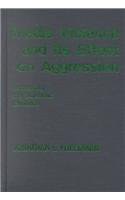
The scientific evidence does not support the notion that TV and film violence cause aggression in children or in anyone else. So argues Jonathan Freedman, based on his findings that far fewer than half of the scientific studies have found a causal connection between exposure to media violence and aggression or crime. In fact, Freedman believes that, taken to a more controversial extreme, the research could be interpreted as showing that there is no causal effect of media violence at all.
Media Violence and its Effect on Aggression offers a provocative challenge to the accepted norms in media studies and psychology. Freedman begins with a comprehensive review of all the research on the effect of violent movies and television on aggression and crime. Having shown the lack of scientific support for the prevailing belief that media violence is connected to violent behaviour, he then explains why something that seems so intuitive and even obvious might be incorrect and goes on to provide plausible reasons why media violence might not have bad effects on children. He contrasts the supposed effects of TV violence on crime with the known effects of poverty and other social factors, and discusses the difference between television advertising, which, he argues, does have an effect, and violent programs, which do not.
Freedman concludes by noting that in recent years television and films have been as violent as ever and violent video games have become more and more popular, yet during this period there has been a dramatic decrease in violent crime. He argues that this makes it highly implausible that media violence causes aggression or crime.
作者简介
About the Author
Jonathan L. Freedman is Professor of Psychology at the University of Toronto.
目录信息
读后感
he did a good job to argue with so many people who claims that the media violence will cause aggressions and crimes. in the first chapter, he tartly satirized the APA without any mercy. his standpoint is that although tv was popular since 1950s,and during...
评分he did a good job to argue with so many people who claims that the media violence will cause aggressions and crimes. in the first chapter, he tartly satirized the APA without any mercy. his standpoint is that although tv was popular since 1950s,and during...
评分he did a good job to argue with so many people who claims that the media violence will cause aggressions and crimes. in the first chapter, he tartly satirized the APA without any mercy. his standpoint is that although tv was popular since 1950s,and during...
评分he did a good job to argue with so many people who claims that the media violence will cause aggressions and crimes. in the first chapter, he tartly satirized the APA without any mercy. his standpoint is that although tv was popular since 1950s,and during...
评分he did a good job to argue with so many people who claims that the media violence will cause aggressions and crimes. in the first chapter, he tartly satirized the APA without any mercy. his standpoint is that although tv was popular since 1950s,and during...
用户评价
这本书的结构编排,在我看来,是经过深思熟虑的匠心之作。它不是那种线性的、从A到Z的铺陈,而是更像一个有机生长的知识网络。前几章奠定了理论基础,但令人惊喜的是,随后的章节开始将理论迅速“落地”,通过一系列精选的、跨越不同媒介形式的案例研究,对理论进行反复的检验和修正。比如,它对不同年龄段观众对同一部影视作品的反应进行了对比分析,揭示了媒介影响的“生命周期”效应。这种“提出问题—建立模型—用案例验证/修正—得出更精细的结论”的循环结构,极大地增强了阅读的代入感和实践指导意义。读到后半部分,我几乎是带着一种“侦探”的心态在阅读,期待着作者如何将前面分散的线索汇聚起来,最终揭示出一个更宏大、更复杂的图景。这种设计,使得即便是对学术研究不感兴趣的普通读者,也能从中找到阅读的乐趣和启发。
评分这本书的封面设计简直是视觉上的震撼,那种深沉的蓝与略带侵略性的红色交织在一起,立刻就抓住了我的眼球。我通常对这类社会学或心理学书籍抱有一种审慎的态度,因为很多时候它们会陷入过度学术化的泥潭,让人读起来晦涩难懂。然而,这本书的排版却出乎意料地清晰,字体选择和行距都考虑到了长时间阅读的舒适度。我翻开第一章时,立刻被作者开篇抛出的那个关于媒体对儿童认知发展影响的论断所吸引。他没有急于下结论,而是先用一系列看似无关紧要的日常观察作为引子,巧妙地引导读者进入主题。比如,他描述了现代家庭中客厅电视的中心地位,以及孩子们在潜移默化中如何模仿屏幕上呈现出的行为模式。这种叙事手法,非常擅长在平实的语言中埋下深刻的思考的种子,让我感觉不像是在读一本理论专著,更像是在参与一场由作者引导的、关于我们周围世界的深度对话。尤其让我印象深刻的是,作者在探讨媒介内容时,似乎对不同文化背景下的差异性有着细致入微的洞察,这让这本书的内容立刻拔高了一个层次,避免了西方中心主义的窠臼。
评分我必须承认,阅读这本书的过程,与其说是在学习知识,不如说是在经历一场智力上的酣畅淋漓的“辩论”。作者的论证结构如同精密的手术刀,层层递进,逻辑链条环环相扣,几乎找不到可以被轻易攻破的薄弱环节。特别是当他引入定量研究数据来佐证自己的观点时,那种严谨性令人折服。他没有简单地罗列数字,而是将复杂的统计模型用直观的图表和类比进行了阐释,即便是像我这样非专业出身的读者,也能清晰地理解其中的因果关系和相关性的强弱。这本书的厉害之处在于,它敢于挑战一些约定俗成的观点,比如关于“榜样效应”的传统解读,作者提出了一个更具反思性的“去敏感化”理论,认为长期的、重复的暴露可能导致观众对现实冲突的共情能力下降。这种挑战权威的勇气,加上无可辩驳的论据支撑,让我阅读时常常需要停下来,甚至放下书本,走到窗边沉思良久,思考自己以往对媒体接触的片面认知。
评分这本书的语言风格,用一个词来形容,就是“老辣”。它不像一些新晋学者的作品那样充满激情洋溢的口号,而是散发着一种阅尽千帆后的沉稳与洞察。作者似乎对人性中的弱点有着深刻的理解,他知道如何措辞才能既不显得说教,又能有效地触及读者的痛点。在讨论特定媒体类型,比如某些网络视频游戏对青少年冲动控制的影响时,作者的笔触变得尤为细腻和富有同情心,他没有一味地指责技术或内容本身,而是深入挖掘了用户行为背后的心理驱动力——是逃避、是寻求即时反馈,还是社群归属感?这种多维度的剖析,避免了将复杂问题简单化。我特别欣赏作者在处理争议性议题时所展现出的那种近乎于“不偏不倚”的姿态,他像是站在一个高高的瞭望塔上,清晰地描绘出各个派别的立场和论据,然后才给出自己基于现有证据的审慎判断,这使得全书的阅读体验充满了建设性的张力。
评分从装帧设计和印刷质量来看,这本书无疑是出版社精心打造的力作。纸张的选择偏向于哑光质感,减轻了长时间阅读带来的视觉疲劳,这是细节控的最爱。更值得称赞的是,书中引用的大量图表和数据可视化处理得非常出色,色彩运用克制而精准,有效地突出了关键信息,避免了信息过载。我在阅读过程中,发现了一个有趣的现象:这本书的注释部分异常丰富,几乎每一处关键引用都有详尽的来源标注,这体现了作者对学术诚信的极高要求,同时也为希望深入研究的读者提供了极佳的拓展路径。这本书不仅仅是一本关于某个特定社会现象的论述,更像是一份严谨的“方法论指南”——它教会你如何批判性地审视你所接触到的所有信息流。它成功地将严肃的学术探讨,包裹在了如此精致且易于消化的外壳之下,实属难得,绝对值得在任何书架上占据一席之地。
评分 评分 评分 评分 评分