具体描述
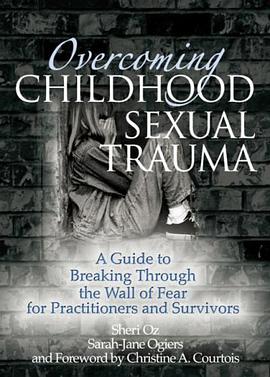
Go beyond the pain and fear of sexual abuse to heal the trauma Childhood sexual abuse (CSA) can be a physically and emotionally painful soul-shattering experience that can traumatize a person for a lifetime. The Wall of Fear: Crossing the Wall from Trauma to Recovery from Childhood Sexual Abuse is a unique exploration of the subjective experiences of both client and therapist as they together travel the path to recovery. Therapists get a clear illustration of the therapy process while CSA survivors are offered a gauge with which to judge their own progress toward recovery. New therapeutic concepts are clearly presented and extensively discussed while sensitively charting the experiences of clients on the journey toward healing. As Winston Churchill once said, If you're going through hell, keep going. The Wall of Fear charts the arduous progress of a survivor from the initial understanding that they need help and guidance, to choosing the correct therapist, to the emotional roadblocks most clients face on their own personal recovery from the hell of CSA. The authors team up to courageously provide readers with a comprehensive and candid portrait of their experiences of CSA therapy while demonstrating the approaches which effectively enhance healing. Features include schematic drawings of the stages of therapy, the client's own diary from her youth through her therapy in adulthood, client drawings illustrating progress in therapy, and effective art exercises that can be used at the beginning of therapy. The text includes extensive references, useful appendixes, and a helpful glossary of terms for the layperson. Topics in The Wall of Fear include: the nature of sexual trauma (the new concept of the World of Trauma) growing up traumatized and its effect on friendships, sexual development, dating, and mate selection couples' relationships and sexuality selecting a therapist the new concept of The Wall of Fear closure coping with the therapy process parenting by CSA survivors and the impact on the next generation the subjective experiences of both therapist and CSA survivor The Wall of Fear stands as a testament that no matter what sexual trauma a person may endure, there is hope for recovery. This is insightful, crucial reading for survivors of CSA and therapists at all levels of expertise.
作者简介
目录信息
读后感
用户评价
这本书的叙事手法真是令人耳目一新,作者似乎有一种魔力,能将那些晦涩难懂的心理学概念,编织成一段段引人入胜的故事。我尤其欣赏它在探讨复杂情感纠葛时所展现出的细腻与克制。它没有那种廉价的煽情,而是用一种近乎冷静的笔触,去解剖人性的幽微之处。阅读过程中,我常常停下来,反复咀嚼某些句子,因为它们精准地捕捉到了那些难以言喻的内心波动。全书的节奏把握得极好,张弛有度,让你在紧张与放松之间自然切换,仿佛跟随作者进行了一次深度的自我对话。它更像是一面镜子,映照出我们每个人内心深处那些不愿触碰的角落,但它提供的不是刺痛,而是一种温和的理解与陪伴。这种叙事上的高级感,让整本书的阅读体验远超一般的心理自助读物,它更接近于一部深刻的人文作品,充满了对生命韧性的赞颂。
评分从文字风格上来说,这本书简直是一股清流。它完全摒弃了那种故作高深的晦涩语言,用词精准而富有画面感。作者的文字功力非常深厚,尤其擅长使用那种富有张力的短句来强调重点,使得信息在脑海中留下深刻的烙印。有时候,一句话的结构简单到极致,但其内涵却可以延伸出非常丰富和复杂的解读空间。我注意到,作者很少使用冗余的副词或形容词,所有的文字都像经过了严格的筛选,直指核心。这种精炼的表达方式,极大地提升了阅读效率,同时也为读者留下了充分的想象和反思空间,避免了作者替读者思考的局面。这让阅读过程充满了主动性,读者不再是被动的接受者,而是主动的参与者。
评分这本书给我的冲击是沉静而持久的,它没有用宏大的口号来吸引眼球,而是专注于挖掘那些微观层面的自我修复机制。我特别欣赏作者那种不带评判、全然接纳的态度。在阅读那些关于创伤后遗症的描述时,我并没有感到被指责或被贴标签的压力,相反,我体会到一种深层的被理解感。作者似乎懂得,真正的疗愈不是要抹去过去,而是要学会与那个曾经受伤的自己和解。书中所提供的方法论,并非那种一蹴而就的“速成秘籍”,它强调的是持续的、耐心的自我耕耘。读完之后,我感觉自己看待世界的视角发生了一些微妙的偏移——那种看待他人的眼光,也变得更加宽容和富有同情心。它教会我,承认脆弱本身就是一种强大的力量的源泉。
评分我是一个对阅读材料的“实用性”要求很高的人,而这本书在提供理论支撑的同时,其可操作性也令人印象深刻。它没有停留在“为什么会这样”的层面,而是深入探讨了“接下来该怎么办”。我特别喜欢其中穿插的那些小练习和反思提示,它们设计得非常巧妙,不会让人感到突兀或机械化。它们更像是日常生活中的小小的“触发器”,引导我们将书中的概念自然地融入到日常的自我觉察中去。这些步骤不是僵硬的指令,而是一种开放性的邀请,邀请读者根据自己的节奏和需求,定制出最适合自己的前行路径。这种兼顾深度与广度、理论与实践的平衡把握,让这本书的价值得到了极大的提升,它不只是一本让你读完就束之高阁的书,更像是一个可以长期陪伴和参考的工具箱。
评分我必须得说,这本书的结构设计简直是教科书级别的典范。它不是简单地罗列理论,而是采用了一种螺旋上升的知识结构。开篇的铺陈看似缓慢,实则在为后续更深层次的探讨打下坚实的基础。每当我觉得自己快要被某个概念绕晕时,作者总能在恰到好处的地方插入一个生动的案例或者一个精妙的比喻,瞬间将所有线索串联起来。我发现,作者在组织材料时,对逻辑的推演有着近乎偏执的追求,使得阅读过程中的“卡顿”感极低,信息流转异常顺畅。更绝妙的是,它在技术层面的讲解与人文关怀的平衡拿捏得恰到好处,既有严谨的学术支撑,又不失温度,避免了空洞说教的弊端。这种精心雕琢的层次感,让这本书不仅适合初学者,对于有一定基础的读者来说,也能从中挖掘出新的洞见。
评分 评分 评分 评分 评分