
具体描述
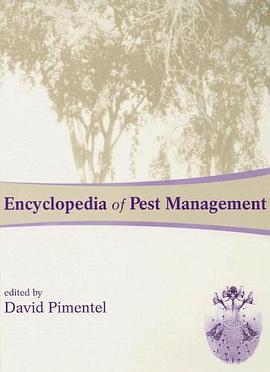
"Encyclopedia of Pest Management".
“Encountering pests in our environment is an ongoing challenge, yet understanding how to manage these creatures effectively has become increasingly important for agriculture, public health, and ecosystem balance. This book serves as a comprehensive guide designed to provide readers with practical insights into the science and strategies behind pest management. It explores a wide range of topics, from identifying common pests and their life cycles to analyzing their impact on food production and human health. The content delves deeply into integrated approaches that combine biological, chemical, physical, and cultural methods for controlling pest populations in a sustainable way. One of the key strengths of this resource lies in its detailed examination of the ecological interactions between pests and their surroundings. It discusses how environmental factors such as climate change, habitat modification, and biodiversity loss influence pest behavior and distribution. This perspective is crucial for developing long-term solutions that do not solely rely on chemical interventions but also consider the broader environmental context. Moreover, this book emphasizes the importance of monitoring and early detection techniques in pest management. It outlines various tools and technologies used to track pest activity, assess risks, and make informed decisions about intervention strategies. Whether in a farm setting or urban environment, timely identification can significantly reduce damage and prevent outbreaks from escalating. Another significant aspect covered is the role of education and community involvement in effective pest control. Understanding pest management goes beyond technical knowledge; it also involves raising awareness among farmers, gardeners, and the general public about responsible practices. The text highlights case studies and real-world examples to illustrate how collaboration between different stakeholders can lead to more sustainable outcomes. The content also addresses the ethical considerations associated with pest control methods, particularly those involving chemical pesticides. It encourages readers to weigh the benefits against potential risks, such as environmental contamination or harm to non-target species. This balanced approach helps users make informed decisions that align with both practical needs and ecological responsibility. In addition, the book provides valuable guidance on regulatory frameworks and policy developments related to pest management. It examines how laws and guidelines vary across regions and what they entail for farmers, researchers, and policymakers alike. Understanding these regulations is essential for ensuring compliance and promoting best practices in pest control. Throughout, the text maintains a clear and accessible tone, making complex concepts understandable without oversimplifying them. It aims to empower readers with knowledge that can be applied directly in various contexts, whether they are managing pests on a small scale or operating within larger agricultural systems. By presenting information in depth yet approachably, this resource serves as a trusted reference for anyone interested in the science and art of pest management. Overall, this book stands out as a thorough and thoughtfully crafted guide that bridges theory with practical application. It is not merely a collection of facts but a meaningful exploration of how humanity can coexist more effectively with the natural world while protecting our health and food systems. Its detailed coverage makes it an essential read for professionals and enthusiasts alike, offering insights that are both informative and actionable.
作者简介
目录信息
读后感
评分
评分
评分
评分
评分
用户评价
评分
评分
评分
评分
评分