
具体描述
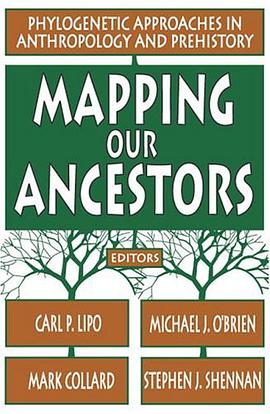
Much of what we are comes from our ancestors. Through cultural and biological inheritance mechanisms, our genetic composition, instructions for constructing artifacts, the structure and content of languages, and rules for behavior are passed from parents to children and from individual to individual. Mapping Our Ancestors demonstrates how various genealogical or "phylogenetic" methods can be used both to answer questions about human history and to build evolutionary explanations for the shape of history.
Anthropologists are increasingly turning to quantitative phylogenetic methods. These methods depend on the transmission of information regardless of mode and as such are applicable to many anthropological questions. In this way, phylogenetic approaches have the potential for building bridges among the various subdisciplines of anthropology; an exciting prospect indeed. The structure of Mapping Our Ancestors reflects the editors' goal of developing a common understanding of the methods and conditions under which ancestral relations can be derived in a range of data classes of interest to anthropologists. Specifically, this volume explores the degree to which patterns of ancestry can be determined from artifactual, genetic, linguistic, and behavioral data and how processes such as selection, transmission, and geography impact the results of phylogenetic analyses.
Mapping Our Ancestors provides a solid demonstration of the potential of phylogenetic methods for studying the evolutionary history of human populations using a variety of data sources and thus helps explain how cultural material, language, and biology came to be as they are.
作者简介
Carl P. Lipo is assistant professor of anthropology at California State University in Long Beach. Michael O'Brien is professor of anthropology and director of the Museum of Anthropology at the University of Missouri. Mark Collard is assistant professor of anthropology at the University of British Columbia, Stephen J. Shennan is a professor and director of the Institute of Archaeology at the University College London. Niles Eldredge is a curator in the department of invertebrates at the American Museum of Natural History, and adjunct professor at the City University of New York.
目录信息
读后感
用户评价
这本书给我的感觉,就像一本被精心打磨过的地图册,但它绘制的不是地理上的疆域,而是我们内心深处的时间长河。我一直认为,了解自己的祖先,不仅仅是为了满足好奇心,更是一种自我认知的过程。我们今天所拥有的一切,无论是性格特质、生活习惯,还是那些我们常常忽视的微小细节,都可能在祖先的经历中找到源头。比如,我的一个远房姑姑曾经说过,我们家好像祖辈里有做工匠的,所以家里人做什么事情都特别细致。我很好奇,这本书会不会探讨这种“家族基因”或者说是“家族传承”的微妙影响?它会不会分析,不同地域、不同职业的祖先,他们所经历的社会环境和生活方式,是如何在潜移默化中塑造后代的性格和命运的?我希望它能提供一些社会学、人类学的视角,帮助我们理解,我们之所以是我们,是因为我们身上承载了太多过去的印记。这种解读,会让“寻根”变得更有深度,也更有意义,它不再仅仅是查找名字和年代,而是对自身存在意义的探索。
评分我一直对那些关于“时间”和“连接”的概念很着迷,尤其是在如今这个信息爆炸、节奏飞快的时代,我们似乎越来越容易忘记那些过去的声音。这本书的标题,让我觉得它像一把钥匙,能够打开一扇通往过去的大门,让我们得以窥见那些曾经鲜活的生命。我好奇的是,这本书会不会提供一些关于“历史记忆”的有趣解读?比如,在我们这个时代,有什么样的工具或者方法,能够帮助我们更好地“捕捉”和“记录”家族的故事,不至于让它们随着时间的流逝而模糊?它会不会探讨,口述历史的价值,以及如何在数字时代,利用新的技术手段来保存和传承家族的口述传统?我希望这本书能带给我一些关于“连接”的思考,不只是与遥远的祖先连接,更是与我们当下的家人、未来的后代建立更深层次的情感纽带。它能否启发我们,去思考,在现代社会,我们应该如何重新定义“家族”和“传承”的意义,让那些古老的故事,在新的时代焕发出新的生命力?
评分我一直对“寻根”这个概念特别着迷,总觉得每个人身上都流淌着家族的血液,里面藏着无数代人的故事和经历。当我看到这本书的标题时,脑海里立刻浮现出那些模糊不清的家族照片,还有长辈们偶尔提起过的,关于远方祖先的只言片语。我尤其好奇的是,在信息不发达的过去,人们是如何维系家族联系的,又是如何将这些记忆一代代传承下来的。这本书会不会讲述一些具体的寻根故事?比如,有人是如何通过古老的信件、地契,甚至是口耳相传的传说,一步步拼凑出祖先的生平,找到他们曾经生活过的地方?我希望它能提供一些实用的方法和思路,不仅仅是理论上的探讨,而是真正能够指导像我一样,对家族历史充满好奇的读者,如何开始自己的“寻根之旅”。如果书里有关于如何解读族谱、如何利用历史档案、甚至如何进行DNA检测来辅助寻根的详细说明,那将是太棒了。我期待着它能够给我打开一扇新的窗户,让我能够更清晰、更深入地了解自己的根源,感受那种跨越时空的连接。
评分这本书,我拿到手的时候,首先被它的装帧吸引了。硬壳封面,带着一丝复古的质感,封面的设计也很别致,没有那种花哨的图像,而是用一种沉静的字体勾勒出书名,背景则是淡淡的地图纹路,仿佛在暗示着它要带我们踏上怎样的旅程。翻开第一页,纸张的触感很好,不是那种廉价的亮面纸,而是带着些许哑光,印刷清晰,字体大小适中,读起来非常舒适。我个人比较喜欢实体书的这种仪式感,尤其是涉及到历史和探索类的书籍,这种质感更能让我沉浸其中。当然,我知道现在电子书很方便,但我总觉得,一本关于“映射”的书,用纸张的质感来承载,本身就多了一层意境。我期待着它能带我穿越时空,去发现那些被遗忘的足迹。它给我的第一印象,就像一个等待被打开的宝箱,充满了未知的惊喜。我甚至能想象到,在某个午后,一杯咖啡,一缕阳光,捧着这本书,开始一段奇妙的探险。这种期待感,对于我这样热衷于阅读的人来说,是非常重要的,它能直接影响我是否愿意投入时间和精力去深入阅读。这本书在外观上的用心,无疑为它赢得了一个好的开端。
评分坦白说,我对于历史的理解,常常停留在教科书式的宏大叙事中,那些帝王将相、战乱烽火,虽然重要,却总是觉得离我有些遥远。我更感兴趣的是普通人在历史长河中的生活轨迹。这本书的名字,“Mapping Our Ancestors”,让我联想到的是一种更具象、更亲切的呈现方式。它会不会像一位温和的向导,带领我们穿梭于历史的街巷,去探访那些曾经真实存在过的普通家庭?我想象中,它可能会讲述不同时代、不同阶层的祖先们,他们如何结婚生子,如何养家糊口,如何面对生活中的挑战和喜悦。比如,在某个饥荒的年代,他们是如何艰难求生的?在某个繁荣的时期,他们又过着怎样的生活?它能否通过一些生动的细节,让我们感受到历史的温度,体会到那种跨越时空的共情?如果它能描绘出不同时代下,普通人生存的图景,并让我们看到,即便在最艰苦的环境中,生命依然顽强延续的痕迹,那将是一次非常触动人心的阅读体验。
评分 评分 评分 评分 评分