
具体描述
Product Description
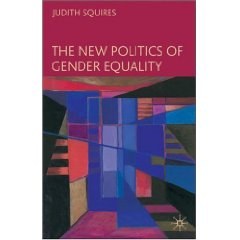
Political interventions in pursuit of gender equality are currently high on the political agenda, but the transformative potential of women's policy agencies, gender quotas and gender mainstreaming is frequently compromised by the demands of neo-liberal governance on the one hand and essentialist assertions of group identity on the other. This book explores the potential of these strategies arguing that they need to be framed by considerations of democratic justice rather than technocratic utility and complex diversity rather than sexual difference.
Book Description
Political interventions in pursuit of gender equality are currently high on the political agenda, but the transformative potential of women's policy agencies, gender quotas and gender mainstreaming is frequently compromised by the demands of neo-liberal governance on the one hand and essentialist assertions of group identity on the other. This book explores the potential of these strategies arguing that they need to be framed by considerations of democratic justice rather than technocratic utility and complex diversity rather than sexual difference.
作者简介
During the past decade governments around the globe have introduced institutional mechanisms to promote the advancement of women, including measures to increase women’s political participation rates and to incorporate women’s interests into policy-making. Why have they done so? How successful have these initiatives been? What are the emerging agendas facing gender equality advocates now?
In the New Politics of Gender Equality Judith Squires examines the origins, evolution and key features of three strategies that have been employed across the world in pursuit of gender equality – quotas, policy agencies and gender mainstreaming. The author critically examines each strategy to see how far they transform political institutions and agendas and to what extent they lead rather to the assimilation of women in male-defined structures. Squires argues that a multi-pronged approach, drawing on democratic rather than technocratic strategies, offers the best potential for advancing gender equality. She highlights too the limitations of approaches that ignore inequalities among women and the challenges of developing equality initiatives to address multiple and cross-cutting inequalities between groups.
Judith Squires is Professor of Political Theory, University of Bristol. She has written, researched and published widely in the field of gender politics and gender equality.
"Squires’ arguments are cogent, clear, timely and theoretically comprehensive... [She] has written as clear an account of the current dilemmas of equality policies as is possible... and offers a powerful exposition of what is at stake." - Joni Lovenduski, Politics and Gender
Engaging the State: Institutionalizing Gender Equality
Equality Strategies: Gender Quotas, Women's
Description
During the past decade governments around the globe have introduced institutional mechanisms to promote the advancement of women, including measures to increase women’s political participation rates and to incorporate women’s interests into policy-making. Why have they done so? How successful have these initiatives been? What are the emerging agendas facing gender equality advocates now?
In the New Politics of Gender Equality Judith Squires examines the origins, evolution and key features of three strategies that have been employed across the world in pursuit of gender equality – quotas, policy agencies and gender mainstreaming. The author critically examines each strategy to see how far they transform political institutions and agendas and to what extent they lead rather to the assimilation of women in male-defined structures. Squires argues that a multi-pronged approach, drawing on democratic rather than technocratic strategies, offers the best potential for advancing gender equality. She highlights too the limitations of approaches that ignore inequalities among women and the challenges of developing equality initiatives to address multiple and cross-cutting inequalities between groups.
Judith Squires is Professor of Political Theory, University of Bristol. She has written, researched and published widely in the field of gender politics and gender equality.
Reviews
"Squires’ arguments are cogent, clear, timely and theoretically comprehensive... [She] has written as clear an account of the current dilemmas of equality policies as is possible... and offers a powerful exposition of what is at stake." - Joni Lovenduski, Politics and Gender
JUDITH SQUIRES is Professor of Political Theory, University of Bristol, UK. She has written, researched and published widely in the field of gender politics and gender equality.
目录信息
读后感
用户评价
《性别平等的新政治》这本书,与其说是一本理论著作,不如说是一份对现实社会发出的深刻诘问。作者以一种近乎“挖掘机”的力度,深入到那些被遮蔽的角落,将性别不平等如何渗透到政治决策、经济分配、文化叙事等各个层面,进行了细致入微的揭示。我最印象深刻的是书中关于“代表性不足”的分析,它不仅仅是数字上的差距,更是话语权、议程设置权乃至现实利益分配上的根本差异。这本书迫使我反思,当我们谈论“包容性”时,我们是否真的做到了对所有性别群体的平等对待?那些在公共领域的声音,是否能够真实地反映多元化的社会现实?作者的论述严谨而富有逻辑,但同时又饱含着对公平正义的强烈呼唤。它让我意识到,争取性别平等,并非是向某个群体“示好”或“妥协”,而是为了构建一个更健康、更公正、更能反映全体公民意愿的社会。这本书的价值在于,它不仅提供了深刻的见解,更激发了读者去积极行动,去挑战那些不合理的现状。读完它,你不会感到沮丧,反而会充满力量,因为你开始明白,改变的可能性就在于我们对问题的清晰认识和不懈努力。
评分读完《性别平等的新政治》这本书,我着实是心潮澎湃,感慨万千。这本书并非仅仅是对既有学术理论的堆砌,而是以一种近乎“呐喊”的姿态,将性别平等议题置于当前政治变革的风口浪尖,剥开了那些看似冠冕堂皇的陈词滥调,直抵权力运作的核心。作者的笔触犀利而精准,仿佛一把手术刀,解剖了社会结构中那些根深蒂固的性别偏见,揭示了法律、政策、经济乃至文化层面是如何巧妙地将性别不平等“合法化”并“常态化”的。我尤其被书中关于“结构性歧视”的论述所震撼,它不再仅仅归咎于个体的偏见,而是深刻地剖析了社会系统本身是如何不断复制和强化性别权力不对等的。这本书迫使我重新审视我所处的社会环境,那些习以为常的规则和现象,在作者的层层剥离下,露出了其背后不为人知的权力博弈和利益交换。它让我意识到,争取性别平等绝非一场孤立的运动,而是与国家治理、民主进程、经济发展等宏大议题息息相关的复杂工程。我开始思考,当我们在讨论“进步”时,是否真正将性别平等的维度纳入其中?那些被边缘化的声音,是否在政治舞台上得到了应有的倾听?这本书无疑是为那些渴望理解性别平等深层机制,并希望参与到改变中的读者提供了一张详尽的地图,指引我们穿越迷雾,看清前路。
评分这部著作给我最大的冲击,在于它对“政治”二字的重新定义。它不再局限于传统的选举、立法、外交等范畴,而是将性别议题摆在了政治议程的最前沿,并将其置于更广阔的社会权力关系网络中进行考察。作者以其深厚的学术功底和敏锐的洞察力,将性别平等从一个“女性问题”提升到“社会公正”和“民主完善”的核心议题。我特别欣赏书中对于不同国家和地区在性别平等政策实践上的案例分析,这些鲜活的例子,既展示了进步的可能性,也暴露了前行的阻碍。它让我明白,性别平等并非一蹴而就,而是一个充满张力、需要不断斗争和协商的过程。书中对“父权制”的批判,并非简单的道德谴责,而是将其视为一种渗透在社会结构中的权力逻辑,影响着从家庭到职场,从公共决策到私人空间的一切。阅读过程中,我时常会对照自身经历,那些曾经不被察觉的微小不公,在此书的框架下,都显得愈发清晰和沉重。它不是一本读完就束之高阁的书,而是会成为你思考问题的“底座”,让你在面对社会现象时,能够从更深刻的视角去理解其背后的性别权力运作。这本书绝对是任何关心社会进步和政治伦理的读者不可错过的佳作。
评分《性别平等的新政治》这本书,在我看来,是一份关于社会变革的“行动指南”。它不仅仅停留在理论层面,而是以一种“播种者”的姿态,唤醒读者对性别平等议题的深刻认知,并鼓励大家积极参与到改变之中。作者的叙述方式极具感染力,他/她用平实的语言,剖析了性别不平等在日常生活中的种种体现,让我们得以“照镜子”般审视自身所处的环境。我尤其欣赏书中对“赋权”的探讨,它并非简单地给予,而是强调通过制度和文化层面的改革,让所有性别群体都能拥有平等的发声和发展的机会。这本书让我明白,争取性别平等,并非是“劫富济贫”式的零和博弈,而是为了创造一个更公平、更健康的社会环境,让每一个人都能实现自己的潜能。读完它,我不再感到迷茫,而是充满力量,因为我知道,每一个微小的行动,都能汇聚成改变的洪流。这绝对是一本能够激发读者思考、并促使其积极行动的划时代著作。
评分从这本书中,我获得了对“政治”这一概念前所未有的广阔视野。作者没有拘泥于传统的政治学范畴,而是将性别平等议题置于一个更具包容性和前瞻性的框架下进行审视。他/她以一种“解剖师”般的严谨,细致地剖析了性别权力如何在制度、法律、文化等多个层面运作,并对社会结构产生了深远的影响。我特别被书中对“隐性歧视”的论述所打动,它并非赤裸裸的排斥,而是通过更加微妙、更不易察觉的方式,将性别不平等固化下来。这让我开始反思,那些在日常生活中习以为常的现象,是否隐藏着更深层次的性别偏见。这本书并非仅仅是学术理论的梳理,更像是一场对社会现实的“侦探式”调查,它层层剥茧,揭示了那些被掩盖的真相。我甚至觉得,这本书应该成为所有政策制定者和公共知识分子的必读书目,因为它提供了一种全新的视角,能够帮助他们更全面、更深入地理解社会问题,并制定出更具包容性和公正性的政策。它让我看到了,真正的政治进步,必然是以性别平等为基石的。
评分 评分 评分 评分 评分