
具体描述
“They Work”
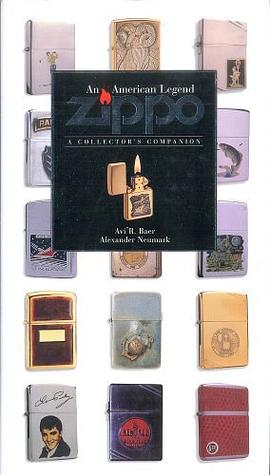
Those two words form one of the shortest, simplest, and most successful slogans in American advertising history, as elegant and unpretentions as the product they describe: the Zippo lighter. This lavishly illustrated, first-ever history of the Zippo tells the whole story from its birth during the darkest days of the Depression to its current status as an instantly recognizable product prized by customers and collectors around the world. You’ll read about:
* Zippo in uniform
* Zippo in space
* Zippo goes to Hollywood
* Zippo trivia
Can a commercial product become an American classic? It can, if it’s a Zippo lighter.
Introduced in 1933, the first Zippo was one quarter-inch taller than today’s and had sharp corners and an external hinge. Aside from this, and some minor improvements to the flint wheel and case, today’s Zippo remains unchanged from the original.
What has changed is the world’s attitude towards the Zippo. Only a few hundred were sold during the company’s first several months: now, sales have topped the 300-million mark. Known for its elegantly simple design, extraordinary ease of use, and excellent reliability, the Zippo has become one of the world’s best-known products.
Its early advertising and marketing were as brilliant as its construction, constantly reminding us that the windproof lighter would work anywhere, in any weather. George G.Blaisdell, inventor of the Zippo, also invented its now famous lifetime guarantee: if a Zippo ever needs repair, the company will fix it absolutely free. That was true in 1933; it remains true today.
Zippo also pioneered using one product to promote another. Like the T-shirt, the Zippo has become a billboard for a mind-boggling array of advertising logos, insignias, and illustrations. Everything from the Three Stooges to sports teams, cars, NASA missions, and U.S. military emblems has appeared on its flat metal surface. It’s this vast variety of images all sitting on that simple, original design that has made Zippo so highly prized by collectors.
This collector’s companion book features everything a Zippo enthusiast could want to know: the complete history of the lighter from Blaisdell’s original concept to today’s modern manufacturing techniques: how Zippos became an essential part of the American soldier’s gear; how Zippos have played major roles in many movies and television shows; how Zippos got their name – and how they saved a student’s life.
With a color photo or nostalgic illustration on nearly every page. Zippo celebrates the lighter with no match, used where no match will light.
作者简介
目录信息
读后感
用户评价
说实话,我一开始对《Zippo》抱持着一种审慎的好奇心,毕竟名字听起来略显轻佻,带着某种复古的、工业化的印记。然而,一旦深入阅读,便立刻被它那种近乎于散文诗般的语言风格所吸引。这本书的叙事结构非常独特,它没有线性的情节发展,更像是一系列主题的碎片化拼贴,但这些碎片却奇妙地汇聚成了一幅完整的情感地图。作者的遣词造句充满了古典的韵味,但其探讨的主题却是极其现代的——异化、都市的孤独感、以及人与工具之间的复杂关系。举个例子,书中对“噪音”的描写,不再是单纯的听觉干扰,而是被赋予了社会学意义上的“存在证明”。我尤其喜欢作者在探讨“符号学”时那种游刃有余的姿态,他能将一个简单的物件,提升到文化图腾的高度,同时又不失人情味。读完后,我发现自己走路时会不由自主地留意路边被遗忘的小物件,仿佛它们都在向我无声地诉说着什么。这本书的价值,在于它成功地将“冷峻的思辨”与“温暖的观察”完美地结合在了一起。
评分我必须承认,初读《Zippo》时,我感到有些困惑,因为它完全不按套路出牌。它不像一本小说,因为它缺乏明确的主角和冲突;它也不完全是哲学论著,因为它过于依赖感性的描摹。这本书更像是一个“观察者的宣言”,作者用近乎偏执的关注度,去解剖日常生活中的“非日常性”。例如,他花费大量篇幅去描述光线穿过特定材质的折射角度,以及这种角度变化如何影响了目击者的情绪阈值。这种对细节的无限放大,让原本扁平的现实世界变得立体而富有层次感。书中的观点是尖锐的,带有强烈的批判色彩,但这种批判不是歇斯底里的抱怨,而是一种带着知识分子式的克制和疏离感。它迫使你重新审视自己对“价值”的定义——什么才是真正值得我们投入情感和时间的“持久物”?这种深层次的自我拷问,让这本书在合上之后,依然在我的脑海中持续发酵,影响着我对周围环境的感知。
评分《Zippo》这本书带给我的是一种久违的“智力上的愉悦”。它的行文风格充满了古典的庄重感,但其内核却是对现代社会的一种温柔的解构。作者展现了惊人的跨学科知识储备,将物理学、美学乃至社会人类学巧妙地编织在一起,共同指向对“存在本质”的探讨。这本书的魅力在于其“留白”的艺术。它不会把所有的答案都摆在你的面前,而是留下足够的空间让你去填补自己的经验和理解。我欣赏作者那种既是局内人又保持着清醒距离的叙事视角。他既身处洪流之中,却能抽离出来,用一种近乎冷酷的理性去分析情感的流动轨迹。书中关于“重复性劳动与创造力枯竭”的论述,尤其令我感同身受,它精准地捕捉到了当代人精神层面的一种隐性焦虑。总的来说,这是一部需要反复品读、每次都能发现新层次的文本,它超越了简单的娱乐阅读,更像是一次深刻的智识探险。
评分这本书的阅读体验,对于习惯了快节奏叙事的人来说,无疑是一种挑战,但绝对是值得付出的“精神马拉松”。《Zippo》的文字像一层层致密的织锦,每一个词语都有其精确的位置和作用,绝不浪费笔墨。它探讨的核心议题似乎围绕着“物质的韧性”与“精神的脆弱性”展开对比。作者似乎在质问:在这个快速迭代的时代,那些经久不衰的物件,它们如何抵抗时间的侵蚀?而人类的情感和信仰,又该如何找到自己的“打火石”来持续燃烧?书中穿插了大量作者本人的观察笔记和零散的哲学思辨,它们像星辰一样散落在广阔的文本空间里,需要读者自己去串联出星座。我发现自己常常需要停下来,合上书本,去回味一句话中蕴含的多重否定和反讽意味。这本书的“文学性”极高,它不仅是在讲述故事或阐述观点,更是在创造一种独特的“阅读的姿态”——一种沉静的、近乎冥想的状态。
评分这本《Zippo》简直是翻开了我认知世界的一扇崭新的窗户,它并非那种传统意义上的历史叙事或人物传记,而更像是一系列精心编织的、关于“微小事物如何承载宏大意义”的哲学沉思录。作者以极其细腻入微的笔触,描绘了那些我们日常生活中习以为常、却从未深究的物件——比如一枚生锈的硬币,一盏昏黄的路灯,或者,正如书名暗示的,一个打火机的转动声。我尤其被其中关于“时间感”的探讨所震撼。书中有一章深入分析了机械装置的熵增过程,如何通过一个重复性动作(比如打火石的摩擦),来具象化我们对流逝光阴的感知。那种对细节的执着,不是为了炫技,而是为了挖掘每一个平凡瞬间背后潜藏的宇宙规律。阅读体验是沉浸式的,仿佛我正和作者并肩坐在某个老旧的咖啡馆里,听他低语着关于记忆、磨损与重生的故事。它的文字密度很高,初读时需要放慢速度,但一旦进入作者构建的那个节奏,便会发现其中蕴含的巨大信息量和情感张力。这绝对不是一本可以囫囵吞枣的书,它要求读者投入心神,回报以对生活更深层次的理解与共鸣。
评分 评分 评分 评分 评分