
具体描述
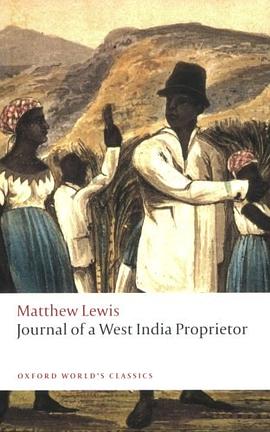
Every man of humanity must wish that slavery, even in its best and most mitigated form, had never found a legal sanction, and must regret that its system is now so incorporated with the welfare of Great Britain as well as of Jamaica, as to make its extirpation an absolute impossibilitiy, without the certainty of producing worse mischiefs than the one which we annihilate. Matthew Lewis is best remembered as the author of the sensational Gothic novel The Monk (1796). He was also a slave-owner, inheriting two large plantations and visiting Jamaica twice in 1815-16 and 1817-18, primarily to investigate the living and working conditions of his slaves. His anecdotal record, the Journal of a West India Proprietor, was not published until 1834, nearly twenty years after his death from yellow fever on the second return voyage. Warmly praised by Coleridge, the Journal's vivid descriptions and lively, self-deprecating tone make it one of the most readable accounts from a slave-owners perspective of plantation life.Yet, although Lewis emerges as a humane and enthusiastic chronicler, his omissions are as significant as the carnivalesque vignettes he sketches, and, for all his geniality, he is unable to break through the framework of imperialist discourse. Situated between the eradication of slavery under British imperialism in 1807 and emancipation in 1834-1838, the Journal of a West India Proprietor records a colonial encounter, between slave-holder and slaves, at a significant historical moment. This unique edition provides full contextual background and includes Lewis's verse narrative The Isle of Devils, as well as a telling last letter and extract from his papers.
作者简介
目录信息
读后感
用户评价
这本书的封面设计非常吸引人,沉静的色调和考究的字体,立刻就营造出一种古典而庄重的氛围,让人忍不住想要一探究竟。当我第一次拿起它时,就被那厚实的纸张和精美的装帧所打动,这是一种触感上的享受,仿佛能直接感受到过去时代的温度。拿到这本书,我脑海中立刻浮现出的是那些遥远却又充满魅力的历史场景,那些关于殖民地、庄园、以及在这个时代背景下人们生活状态的种种想象。我一直对18世纪末19世纪初的加勒比地区抱有浓厚的兴趣,那是一个充满矛盾与冲突的时代,一方面是欧洲列强在海外扩张的雄心勃勃,另一方面则是社会结构中的不平等和压迫。这本书的副标题“Oxford World's Classics”也让我对它的内容有了更高的期待,通常这类版本都会在学术性和普及性之间取得很好的平衡,既有严谨的考证,又不至于过于晦涩难懂。我尤其喜欢那些带有历史感的书名,它们总能勾起我对故事背后人物命运和时代变迁的深深好奇。这本书的体量也适中,不会让人望而却步,但足够支撑起一个引人入胜的故事。在翻开这本书的第一页之前,我已经开始期待它所能带来的阅读体验,那种沉浸于另一个时空,感受不同生活方式的独特魅力。
评分As a voracious reader with a particular fondness for historical accounts that offer intimate glimpses into past lives, the title “Journal of a West India Proprietor” resonated deeply with me. The word "Journal" immediately suggests a personal, unvarnished record of events, thoughts, and feelings, offering an insider's perspective that often eludes broader historical analyses. Coupled with "West India Proprietor," it promises a narrative rooted in the realities of colonial enterprise, an economic and social structure that has long fascinated me due to its inherent complexities and profound impact on global history. I anticipate that the author, as a proprietor, would have been deeply involved in the day-to-day operations of their estate, likely dealing with agricultural practices, labor relations, and the economic challenges of producing crops for export. This direct involvement should translate into vivid descriptions of the environment, the people they encountered, and the intricate workings of the colonial system. I am particularly keen to understand the author's personal reflections on their role, their perceptions of the local population, and their place within the broader imperial framework.
评分从书名来看,它似乎承载着一种个人化的叙述,一种关于经历的记录。"Journal"这个词本身就暗示着一种日常的、私人的视角,让我好奇作者的身份,以及他/她在这个“West India”的经历会是怎样的。是充满异国情调的探险,还是更为深入的社会观察?“Proprietor”这个词更是关键,它指明了作者的社会地位,一个庄园的所有者,这意味着他对当地的经济、社会结构以及劳动力有着直接的参与和了解。这样的视角在历史研究中是极为珍贵的,因为它能够提供一种来自“内部”的视角,而非仅仅是外部观察者的二手资料。我一直觉得,理解一个时代的最佳方式之一,是通过那些亲身经历者留下的记录,特别是那些拥有一定社会地位,能够接触到社会各个层面的个体。这样的记录往往能揭示出许多宏观历史叙事中被忽略的细节和微妙之处。我尤其期待书中能够展现出那个时代殖民地经济的运作方式,例如甘蔗种植园的日常管理,奴隶制度下的生活状态,以及庄园主与当地社区之间的互动。当然,我也希望作者的个人情感和思考能够贯穿其中,让这本“Journal”不仅仅是一份流水账,而是一份充满人性和温度的时代画卷。
评分The very mention of “Oxford World's Classics” sets a high benchmark for any book, promising a text of literary merit, historical significance, and scholarly presentation. This series has consistently delivered engaging narratives alongside invaluable contextual information, making them essential additions to any discerning reader's library. My previous encounters with books from this collection have invariably been rewarding, providing not just a story but a comprehensive intellectual journey. Consequently, the prospect of delving into the “Journal of a West India Proprietor” within this esteemed context immediately sparked my curiosity. The title itself is evocative, hinting at a personal chronicle set against the backdrop of the West Indies, a region steeped in a complex and often challenging history. As a proprietor, the author would have occupied a specific and influential position within this historical landscape, suggesting an account that is likely to offer unique insights into the economic, social, and perhaps even the political realities of the time. I am eager to discover the details of their life, their management of their property, and their personal experiences in this fascinating corner of the world.
评分这本书的作者身份——“West India Proprietor”——immediately piqued my interest. It suggests a firsthand account from someone deeply embedded within the colonial system, possessing both economic power and a vested interest in the region. This perspective offers a unique opportunity to delve into the realities of plantation life, the complexities of managing vast estates, and the intricate social hierarchies that defined the West Indies during that era. I am particularly drawn to the potential for nuanced observations that go beyond generalized historical narratives. A proprietor would have had to grapple with practical matters of agriculture, labor management (which, given the historical context, likely included enslaved people), trade, and the ongoing relationship with Great Britain. This grounded, practical experience, I believe, would translate into a rich and detailed journal, offering insights into the daily operations, the economic pressures, and perhaps even the moral compromises inherent in such a position. I anticipate encountering descriptions of the landscape, the climate, the crops, and the people who inhabited these estates, all filtered through the unique lens of ownership and responsibility.
评分“Oxford World's Classics”系列的书籍,一直是我书架上不可或缺的一部分。它们不仅仅是书籍,更是一种对经典文学的致敬和传承。每一本都如同一个精心打磨的艺术品,从封面设计到纸张的质感,再到严谨的校对和丰富的注释,都体现着出版方对作品的尊重和对读者的诚意。我尤其欣赏这个系列在选择作品时的眼光,它们总能挖掘出那些被低估的、但却具有深远影响力的文学瑰宝。这本书的书名“Journal of a West India Proprietor”就带有一种强烈的历史感和个人叙事色彩,这让我对它充满期待。我一直对18世纪末、19世纪初加勒比地区的历史和社会状况非常感兴趣,那是一个充满着复杂性和矛盾的时代,殖民主义、奴隶制、以及不同文化之间的碰撞与融合,共同塑造了那个地区的独特面貌。我希望通过这本书,能够以一个庄园主的视角,去深入了解那个时代的真实生活,包括经济活动的细节、社会关系的动态,以及作者个人的情感体验和思想变化。
评分The inclusion of “Oxford World's Classics” in the title immediately signals a certain level of scholarly rigor and curated literary value. This series is renowned for its meticulous selection of influential works, often accompanied by insightful introductions, extensive annotations, and reliable translations, making them accessible and valuable for both academic study and general readership. My personal experience with this series has consistently been positive, providing me with well-edited editions that enhance my understanding and appreciation of the texts. Therefore, when I saw “Journal of a West India Proprietor” listed under this distinguished banner, my anticipation levels rose considerably. The title itself conjures images of a bygone era, a specific geographical locale, and a singular individual’s personal narrative. I am eager to immerse myself in the author’s chronicle of their experiences as a proprietor in the West Indies, expecting a detailed account of their life, the management of their property, and their interactions with the local society. I hope to gain a deeper understanding of the socio-economic conditions, the challenges faced by plantation owners, and the broader historical context of colonial life in that region.
评分“Oxford World's Classics”这个系列的书籍,我一直以来都非常信赖,它们通常会提供高质量的译本和详尽的导读、注释,这对于非母语读者来说是极大的帮助,能够更深入地理解作品的文化背景和语言 nuances。我通常会在阅读前,先浏览一下导读部分,了解作者的生平、创作背景以及作品在文学史上的地位。这能为我的阅读提供一个更宏观的框架,帮助我更好地把握作品的精髓。我对这个系列的书籍的装帧设计也颇有研究,它们总是简洁而典雅,能够很好地体现作品本身的价值。这次选择这本书,也是基于我对这个系列一贯的高评价。我相信,在这个系列中出现的任何一本著作,都经过了严格的筛选和审定,其内容和质量都有一定的保证。我期待这本书能够提供关于18世纪末、19世纪初西印度群岛的详实描绘,包括当地的风土人情、社会风貌以及作者作为庄园主的亲身经历。同时,我也希望这本书的注释能够帮助我理解书中出现的那些可能令人费解的词汇、习俗以及历史事件,从而让我能够更全面、更深入地理解作者所要表达的思想和情感。
评分我对历史文献的兴趣由来已久,尤其是一些第一手资料,它们能够帮助我们跳脱出后世的解读和分析,直接与过去对话。这本书的书名“Journal of a West India Proprietor”恰恰符合我对这类文献的期待。它暗示着一种个人化的视角,一种真实的记录,而非经过修饰的官方叙述。我一直在思考,一个在遥远的“West India”拥有产业的“Proprietor”,他/她的生活究竟是怎样的?是否如同许多文学作品中所描绘的那样,充满异域风情和冒险?还是更为平淡,充满了日常的劳作和管理?这本书的书名并没有给出明确的答案,这反而激起了我更大的好奇心。我期待从中看到关于那个时代殖民地经济运作的真实细节,例如种植园的管理模式,劳动力(无论是自由劳工还是被奴役者)的构成和状况,以及与英国本土之间的贸易往来。更重要的是,我希望能够从中窥见作者作为“Proprietor”的内心世界,他/她对这片土地,对当地人民,以及对自己的生活有着怎样的看法和感受。
评分The appeal of a “Journal” lies in its inherent promise of authenticity and a direct connection to the past, bypassing the interpretative layers that often accompany secondary historical accounts. When combined with the specific context of a "West India Proprietor," the title immediately conjures a vivid image of an individual navigating the intricate world of colonial estates, likely grappling with the economic, social, and personal challenges inherent in such a position. My own historical interests frequently lead me to seek out first-hand narratives, believing them to be the most potent vehicles for understanding the lived experiences of those who came before us. The prospect of engaging with the personal reflections and daily accounts of someone who owned property in the West Indies is particularly enticing. I anticipate learning about the practicalities of managing a plantation, the dynamics of the workforce, the relationship with the broader colonial administration, and the author's individual responses to these circumstances. The title suggests a deeply personal and perhaps revealing chronicle, offering a unique window into a specific time and place.
评分 评分 评分 评分 评分