
具体描述
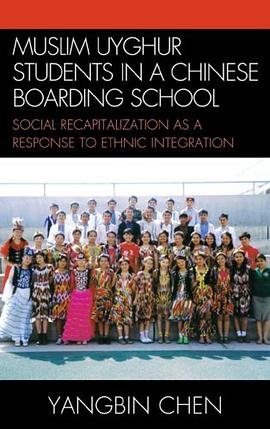
One of the most controversial policies in Chinese minority education concerns the so-called inland ethnic minority schools or classes in Han inhabited areas in China. Since 2000, boarding Xinjiang Classes have been established in the eastern cities of China for high school students from the Xinjiang Uyghur Autonomous Region, in order to educate young Uyghur and other ethnic minority students through the national curricula.
Although the Xinjiang Classes are supposed to promote ethnic integration between the Muslim Uyghur minority and the Han majority, there often remains a gap between the stated policy goal and its actual implementation. Guided by the theoretical framework of social capital analysis, this book therefore examines how Uyghur students in the Xinjiang Classes respond to the school goal of ethnic integration.
Chen conceptualizes the process of Uyghur students' responses to the school goal of ethnic integration as social recapitalization. While their former social capital from families or communities in Xinjiang is constrained in the boarding school, Uyghur youths are able to develop independent and new social capital to facilitate their schooling. Nonetheless, they lack "bridging social capital," which makes the goal of ethnic integration more difficult to achieve.
Review
This is a nuanced study of Muslim Uyghur students in Chinese boarding schools in China. It offers a full and fair overview of the development of Xinjiang Classes as a state policy of ethnic integration while documenting the role of agency on the part of Uyghur students in their active resistance to cultural subjugation and their proactive effort to build social networks in school. The study illuminates the process of social recapitalization benefiting minority schooling, pushes the reader to re-think the paradox of assimilation and ethnicization, and calls for a public policy of multicultural education. (Min Zhou, Tan Lark Sye Chair Professor of Sociology at Nanyang Technological University and co-author of The Asian American Achievement Paradox)
Chen Yangbin's study of Uyghur students' experience in a boarding school in China proper is the first theoretically informed and empirically grounded sociological study of the Uyghur experience as a minority in the PRC. Chen's conclusions?that the experience leads Uyghurs to bond closely with their Uyghur classmates while increasing segregation from Han students?may surprise both those who hope the policy will 'integrate' Uyghurs more closely with the Han majority, and those who decry the boarding schoolsas a state attempt at deracination. This book will interest not only scholars of China's minority peoples, but those engaged in comparative study of educational policy in multi-ethnic environments... (James A. Millward, Georgetown University)
The Xinjiang riots of July 2009 render particularly timely the publication of a book that examines the Chinese government's efforts to use schooling to tackle enduring divisions between Uyghurs and the country's Han majority.... this study is an invaluable contribution to our understanding of the role of schooling in promoting, or undermining, the integration of these 'minorities' with Chinese society.... This is almost certainly the most balanced and thoughtful study available in English of the impact of Chinese education policies on Xinjiang students, and of their responses to these policies. (The China Quarterly, December 2009)
The Uyghurs are a Turkic, Muslim minority in North-western China's Xinjiang, and official policy towards them is highly controversial. However, Yangbin Chen adopts a scholarly tone, critical but always fair. The book shows a wonderful grasp of the theory of educational sociology, especially as applied to the relations between minorities and majorities. The way the social capital theory is applied to the concrete situation of Uyghur students in the school selected and in Xinjiang is truly admirable. Insightful quotations from in-depth interviews with students and teachers add interest and conviction. The author has brilliantly elucidated a major problem: how far education has integrated the Uyghurs into the Chinese state... (Colin Mackerras, Griffith University)
The Uyghurs are a Turkic, Muslim minority in North-western China's Xinjiang, and official policy towards them is highly controversial. However, Yangbin Chen adopts a scholarly tone, critical but always fair.The book shows a wonderful grasp of the theory of educational sociology, especially as applied to the relations between minorities and majorities. The way the social capital theory is applied to the concrete situation of Uyghur students in the school selected and in Xinjiang is truly admirable. Insightful quotations from in-depth interviews with students and teachers add interest and conviction. The author has brilliantly elucidated a major problem: how far education has integrated the Uyghurs into the Chinese state. (Colin Mackerras, Griffith University)
Chen Yangbin's study of Uyghur students' experience in a boarding school in China proper is the first theoretically informed and empirically grounded sociological study of the Uyghur experience as a minority in the PRC. Chen's conclusions―that the experience leads Uyghurs to bond closely with their Uyghur classmates while increasing segregation from Han students―may surprise both those who hope the policy will 'integrate' Uyghurs more closely with the Han majority, and those who decry the boarding schools as a state attempt at deracination.This book will interest not only scholars of China's minority peoples, but those engaged in comparative study of educational policy in multi-ethnic environments. (James A. Millward, Georgetown University)
The strength of the study lies in the unique empirical data that Chen has collected within a setting where anthropological fieldwork is rarely accepted, and reliable data difficult to obtain….Chen's book about Uyghur students is rare, fieldwork-based and a significant contribution to the study of the Uyghurs and their relations to the Han, and of education and ethnic relations in China in general. (The China Journal)
作者简介
About the Author
Yangbin Chen teaches at the University of New South Wales.
目录信息
读后感
用户评价
从我个人的阅读偏好来说,《Muslim Uyghur Students in a Chinese Boarding School》这本书的标题非常直接地指向了一个特定且复杂的主题:少数民族学生在中国的寄宿学校经历。我对中国社会的民族政策和文化融合问题一直抱有浓厚的兴趣,而将目光聚焦于“寄宿学校”这一特定的制度安排,则为理解这些问题提供了一个绝佳的微观视角。寄宿学校往往是一种旨在促进同质化和国家认同的教育模式,而对于像维吾尔族这样的少数民族群体而言,其在这样的环境中成长,必然会面临一系列独特的挑战和适应过程。我非常好奇,这本书是否能够深入挖掘这些学生在学校日常生活中所经历的细节,例如:课堂教学内容是否能体现他们的文化背景?学校是否提供了满足他们宗教需求的场所或条件?学生们之间,以及学生与老师之间,在文化认知上是否存在隔阂或融合?作者又将如何呈现这些学生在追求学业成功的同时,如何平衡和维护自己的民族和宗教身份?我期待这本书能够提供一种非评判性的、基于事实的分析,从而帮助我更全面地理解中国社会内部的多元性以及教育在塑造国民身份方面的作用。
评分我之所以会被《Muslim Uyghur Students in a Chinese Boarding School》这本书所吸引,很大程度上是因为它触及了一个我一直以来都感到好奇的议题:少数民族在主流教育体系中的体验。将“维吾尔族学生”和“中国寄宿学校”这两个概念结合起来,立刻在我脑海中勾勒出一幅充满潜在叙事和分析空间的画面。寄宿学校,尤其是中国背景下的寄宿学校,往往承担着重要的社会化功能,它们不仅传授知识,更试图在学生心中塑造统一的国民身份。对于维吾尔族这样的少数民族群体来说,这意味着他们可能需要在传统的文化和宗教背景与学校所倡导的主流价值观之间进行一种微妙的平衡。我非常期待这本书能够深入探讨这些学生是如何在学校环境中 navigatetheir identity, 他们的宗教信仰如何被实践或被调整,以及他们在与同学和师长互动中,民族身份和文化差异所带来的影响。我希望作者能够提供鲜活的案例,让我们能够窥见这些年轻人的真实生活,理解他们在成长过程中所面临的挑战、所做的选择,以及他们对自身文化和未来的理解。
评分我对这本书的期待,源于我对当代中国社会复杂性的浓厚兴趣,以及对那些在主流叙事之外的群体经历的关注。当我在书店偶然瞥见《Muslim Uyghur Students in a Chinese Boarding School》这个书名时,它立刻抓住我的眼球。我过去曾阅读过不少关于中国少数民族政策的论述,但往往是从宏观层面,讨论国家政策的制定、实施及其影响。而这本书名所暗示的,是深入到个体层面,去理解一个特定群体——维吾尔族学生——在特定环境下(寄宿学校)的生活和成长。我尤其好奇的是,在中国这样一个人际关系和集体生活至关重要的社会里,寄宿学校这种高度集中的教育模式,对于少数民族学生的身份认同、文化传承以及与主流社会的融入,会产生怎样的具体影响?他们如何在新环境中处理自己的宗教信仰、民族习俗,以及如何在学业压力和同伴关系中找到自己的位置?这些都是我非常渴望通过阅读来探索的。我期待这本书能够提供鲜活的案例和深入的分析,帮助我理解这些年轻一代维吾尔族学生的真实生活图景,以及他们可能面临的挑战和机遇。我相信,通过了解这些个体的故事,我能更深刻地理解中国社会的多样性,以及教育在其中扮演的复杂角色。
评分从一个普通读者的角度来看,《Muslim Uyghur Students in a Chinese Boarding School》这本书的书名本身就充满了引人入胜的元素。它将“穆斯林”、“维吾尔族”、“学生”、“中国”、“寄宿学校”这些关键词巧妙地组合在一起,构成了一个极具信息量和潜在叙事张力的画面。我一直在关注中国社会内部的文化互动和身份构建议题,而维吾尔族作为中国重要的少数民族之一,其文化传统和与主体民族的关系一直是社会关注的焦点。将这一群体置于“寄宿学校”这一特定的教育和生活环境中,无疑为研究提供了独特的切入点。寄宿学校的环境,天然地会放大社会、文化和个人层面的张力,尤其是在一个文化背景存在差异的学生群体中。我很好奇,在这样相对封闭的环境中,学生的民族身份是如何被维护或被重塑的?他们的宗教实践是否受到限制?学校的管理方式和教育理念,又如何与维吾尔族的文化习俗相协调或相冲突?我期待这本书能够深入挖掘这些细节,通过鲜活的人物故事和对制度层面的审视,为我呈现一个立体而真实的学生群体画像,让我对中国社会的多样性和复杂性有更深层次的理解。
评分当我看到《Muslim Uyghur Students in a Chinese Boarding School》这个书名时,我立刻被它所蕴含的深度和复杂性所吸引。我一直关注中国社会的多样性以及少数民族群体的经历,而“寄宿学校”这一关键词,则将研究的焦点聚焦于一个非常具体的、能够深刻影响个体成长的环境。在中国,教育体系往往被视为塑造国家认同和促进社会融合的重要工具。而对于维吾尔族学生来说,他们在寄宿学校的学习和生活经历,无疑是理解其身份认同形成和文化传承过程的关键。我很好奇,在这样一种高度集中的学习环境中,这些学生是如何处理他们的宗教信仰和民族习俗的?学校的课程设置、管理方式以及师生关系,又如何在无形中影响着他们对自身文化和国家的认知?我期待这本书能够提供一个深入的、细致的观察,揭示出这些年轻人在面对主流文化和自身传统之间的张力时,是如何做出选择、如何适应,以及如何在这个过程中定义自己。我希望这本书能够呈现出这些学生个体的声音和故事,让我能够更真实地理解中国社会内部的文化动态。
评分我之所以对《Muslim Uyghur Students in a Chinese Boarding School》这本书抱有极大的热情,很大程度上是因为它触及了我对教育如何塑造个体和社会身份的持续思考。寄宿学校,尤其是在中国这样一个强调集体主义和国家认同的国家背景下,往往扮演着一个特殊的角色。它不仅是传授知识的场所,更是一个社会化和文化灌输的熔炉。对于像维吾尔族这样的少数民族学生来说,这种经历可能更加复杂和深刻。他们是在怎样的课程体系下学习?他们的语言和文化是否在学校得到体现,还是被边缘化?他们的宗教情感又如何在这种环境中被引导或被压抑?这本书名让我联想到,学校的教职员工、同学之间的互动,甚至校园的日常规章制度,都可能在不经意间塑造这些学生的认知和行为模式。我非常期待作者能够通过细致的田野调查或案例研究,描绘出这些学生在寄宿学校的真实生活片段,捕捉他们内心的挣扎、适应以及可能存在的反抗。我希望这本书能够提供一种更 nuanced 的视角,避免简单化的标签,展现出这些学生的复杂性和能动性。
评分我之所以对《Muslim Uyghur Students in a Chinese Boarding School》这本书充满期待,很大程度上是因为它触及了我对教育在塑造社会群体身份和文化传承中所扮演角色的持续关注。在中国的语境下,少数民族的经历往往与国家现代化进程和民族政策紧密相连。而“寄宿学校”这种教育模式,又为研究提供了一个极具洞察力的切入点,它将学生置于一个相对封闭、高度结构化的环境中,这种环境很可能放大社会、文化和个人层面的互动与张力。我非常希望这本书能够深入探讨,这些维吾尔族学生在寄宿学校的生活经历,是如何影响他们对自身民族身份、宗教信仰以及与主体民族关系的理解的。学校的课程内容、师生互动、同伴关系,乃至校园的日常规章制度,都可能在塑造这些年轻人的过程中扮演重要角色。我期待作者能够通过详实的案例研究和深入的分析,揭示出这些学生在适应环境、面对挑战、维系文化传统时的具体策略,以及他们在这个过程中可能经历的挣扎与成长,从而帮助我更全面地理解中国社会的多样性和复杂性。
评分《Muslim Uyghur Students in a Chinese Boarding School》这本书的书名,立即引起了我对中国社会内部文化互动以及少数民族群体在现代化进程中经历的浓厚兴趣。我一直在关注不同文化背景的人们如何在特定的社会结构下生活和发展,而将“维吾尔族学生”与“中国寄宿学校”这两个关键元素结合,则为我提供了一个极具吸引力的研究视角。寄宿学校,尤其是在一个强调国家统一和文化同质化的社会背景下,往往是培养国民身份和集体意识的重要场所。对于维吾尔族这样拥有独特文化和历史传统的民族而言,在这样的环境中成长,无疑会带来一系列复杂而深刻的体验。我非常好奇,这些学生在学校里是如何学习的?他们的语言和宗教信仰是否得到了应有的尊重和保护?在与来自不同背景的同学相处时,他们是如何处理文化差异的?作者是否能够通过细致的观察和深入的访谈,描绘出这些年轻人在学业、社交和自我认知等多个层面的真实经历,以及他们为在现代社会中找到自己的位置所付出的努力?我期待这本书能够提供一个 nuanced 的理解,让我能够超越宏观的政策讨论,走进这些年轻人的内心世界。
评分我对《Muslim Uyghur Students in a Chinese Boarding School》这本书的关注,源于我对社会变迁中个体经历的浓厚兴趣,尤其是当这种经历发生在少数民族群体身上时。中国的现代化进程伴随着剧烈的社会转型,而教育,特别是寄宿学校这样的集中式教育模式,在其中扮演着重要的角色。这本书名让我联想到,在这样一种环境中,年轻的维吾尔族学生将如何处理他们在民族、宗教和国家认同之间的复杂关系。寄宿学校意味着他们远离家庭和传统的社群环境,在一个更受国家教育体系塑造的空间里成长。这是否会加速他们的“中国化”进程?他们的母语和民族文化在学校教育中占据怎样的位置?作者是否能够通过深入的访谈和观察,呈现出这些学生在适应新环境、处理同学关系、面对学术挑战以及维系自身文化认同时的具体策略和情感体验?我渴望这本书能够提供一些未被主流话语充分探讨的视角,揭示出这些年轻人在巨变时代中的真实生活轨迹,以及他们为自己身份和未来所做的努力。
评分从一个充满好奇的读者的角度来看,《Muslim Uyghur Students in a Chinese Boarding School》这本书的书名,预示着一个关于特定群体在特定教育环境下的深刻故事。我一直对中国社会内部的文化多样性以及少数民族的经历抱有浓厚的兴趣,而“寄宿学校”这一设定,则为研究提供了一个极佳的微观切入点。寄宿学校的集体生活和高度结构化的学习环境,往往会对个体的身份认同、文化传承以及社会化过程产生深远的影响。对于像维吾尔族这样的少数民族学生来说,他们在这种环境中成长,必然会经历一系列独特的挑战和适应。我非常期待这本书能够深入探究这些学生在寄宿学校的日常生活,包括他们的课程学习、校园活动、师生关系以及与同学的交往。更重要的是,我希望了解他们是如何处理自己的民族身份和宗教信仰,如何在主流文化的影响下保持或重塑自己的文化认同,以及他们在这个过程中可能面临的困惑、挣扎和成长。我相信,通过这本书,我能够更深入地理解中国社会内部的文化张力,以及教育在塑造个体命运中的复杂作用。
评分观察到的一个有趣现象,不一定准确——内高班维吾尔学生并未表现出比本地(新疆)维吾尔学生出色之处。所以更微妙的问题来了:他们是怎么去内高班的?
评分观察到的一个有趣现象,不一定准确——内高班维吾尔学生并未表现出比本地(新疆)维吾尔学生出色之处。所以更微妙的问题来了:他们是怎么去内高班的?
评分观察到的一个有趣现象,不一定准确——内高班维吾尔学生并未表现出比本地(新疆)维吾尔学生出色之处。所以更微妙的问题来了:他们是怎么去内高班的?
评分观察到的一个有趣现象,不一定准确——内高班维吾尔学生并未表现出比本地(新疆)维吾尔学生出色之处。所以更微妙的问题来了:他们是怎么去内高班的?
评分关于内地新疆班学生离开家乡后,依靠新的社交网络而发生的在文化上抗拒/制度上服从的社会资本再形成的过程。十多年过去了,这些学生现在过得好吗?