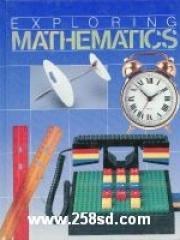

具体描述
50812,How The Future Began: Everyday Life ,How The Future Began: Everyday Life ,0753452685,Clive Gifford,54.00,18.00,Kingfisher,15-Sep-00,精装,63,,,How The Future Began: Everyday Life , From School Library Journal Grade 5-8-An exciting journey through future possibilities, organized around the topics of cities and homes, transportation, work and play, and health issues. Dramatically graphic, each of the four major sections begins with an introduction and a soaring, abbreviated time line superimposed against an appropriate backdrop. Each two-page spread is devoted to a subtopic (future homes, ferrying people and goods, future learning, genetic engineering, and so forth) in a well-balanced, colorful collage of text, photos, graphics, inserts, and predictions. Although the text overwhelmingly anticipates positive and productive technologies, numerous environmental, health, and equity issues are raised as well. Problems of water and waste, controversial genetic practices, and equitable access to medical and leisure technologies receive particular emphasis. The book concludes with an interesting one-page glossary, as well as lists of recommended Web sites and science centers to visit (including the wonderful Lawrence Hall of Science in Berkeley, CA, but oddly omitting the magnificent Museum of Science and Industry in Chicago). The lack of a bibliography is troubling. Readers are apt to take at face value the many predictions, most of which are presented as foregone conclusions, but without any supporting references. Nonetheless, students will be most interested in thumbing their way through this visually appealing book and might be spurred on to ask substantive questions.Mary R. Hofmann, Rivera Middle School, Merced, CA Copyright 2000 Reed Business Information, Inc. From Booklist Gr. 4-6. This survey of how science may change our lives in the next half century or so combines montages of photographs and painted, futuristic scenes with bite-size prognostications: A robot vacuum cleaner will automatically detect and clean up spills." Gifford considers possible developments in transportation, education, recreational activities, and biotechnology. Many of his predictions are safely vague, and he covers his bets, for instance, by claiming on one spread that cities will continue to grow but suggesting on the next that urbanites will flee the "rat race" at an increasing clip. Up the road a few decades this will almost certainly be good for a laugh, but now, paired with other volumes in the How the Future Began series, Gifford's enticing visions will engage the imaginations of young dreamers. Listings of Web sites and science museums are appended. GraceAnne DeCandidoCopyright © American Library Association. All rights reserved See all Editorial Reviews"
作者简介
目录信息
读后感
用户评价
**第五段评价:** 这本书的辅助资源设计无疑是其最大的亮点之一,它们极大地拓展了家庭学习的广度和深度。配套的在线互动练习平台界面友好,操作直观,孩子的操作反馈是即时的,这点对于保持学习的积极性至关重要。更重要的是,那些线下可以动手操作的材料包,比如用于几何图形构建的小工具,让抽象的二维和三维概念瞬间变得触手可及。我看到孩子拿着这些实物材料,自己动手拼凑、拆解,那种成就感是看书本绝对无法比拟的。此外,书中还巧妙地嵌入了“数学史话”的小栏目,简短地介绍了伟大数学家的生平和他们发现的过程,这无形中为枯燥的学科增添了一层人文色彩和历史厚度,让学习变得更加立体和有意义。
评分**第三段评价:** 从结构布局的角度来审视,这本书的逻辑推进简直是教科书级别的典范。它严格遵循了由浅入深、由具体到抽象的认知规律。每一个新的知识点都会先通过大量的视觉辅助材料(比如图形、图表和色彩编码)进行充分铺垫,确保孩子们在开始正式运算之前,已经在大脑中建立了稳固的直观印象。我观察到,书中对关键概念的复习和巩固设计得非常巧妙,它不会生硬地重复练习,而是将旧知识巧妙地融入到更复杂的新问题情境中,形成一个螺旋上升的学习路径。这种精心设计的“脚手架”式教学法,确保了知识的吸收是扎实而非表面的,避免了“学了就忘”的常见学习困境。整体的编排节奏张弛有度,阅读起来丝毫不会感到拥挤或疲惫。
评分**第四段评价:** 这本书的思维训练维度做得非常出色,它远超出了传统意义上只关注计算准确率的要求。我惊喜地发现,书中穿插了大量需要推理和批判性思考的开放性问题。这些问题往往没有唯一的标准答案,而是鼓励孩子们去描述“你是如何想到的”,或是“有没有其他方法可以解决”。这极大地激发了我家孩子那种“为什么”的好奇心,不再满足于直接套用公式。特别是那些“侦探挑战”或者“设计你的谜题”环节,要求孩子们运用已学知识去分析、建模和解决非结构化的问题。这种对高阶思维能力的培养,才是真正有价值的教育投资,它教会了孩子如何运用数学这个工具去观察和改造世界,而不仅仅是做题。
评分**第一段评价:** 这本书的装帧设计简直太棒了!封面采用了柔和的马卡龙色系,视觉上非常舒服,拿在手里沉甸甸的,一看就知道是用了上好的纸张。内页的印刷清晰度没得挑,字体的选择也兼顾了美观和易读性,对于正在学习基础数学概念的小朋友来说,这一点非常重要。我尤其喜欢它在章节开头设置的小插画,那些生动有趣的卡通形象总能迅速抓住孩子的注意力,让他们对接下来的学习内容充满期待。而且,书本的装订非常牢固,即便是经常翻阅和携带,也不会有散页的担忧。翻开书本,一股淡淡的油墨香气扑鼻而来,这让我感觉自己像是在接触一本精心制作的工艺品,而不是一本枯燥的教材。整体来看,这本书在物理形态上就展现出一种对阅读体验的尊重和用心,这是很多同类书籍所缺乏的。
评分**第二段评价:** 我得说,这本书的叙事方式简直是一股清流。它完全抛弃了那种冷冰冰、公式化的数学语言,而是用一种非常贴近孩子日常生活和想象力的“故事”来引入每一个新的数学概念。比如,讲解乘法时,它会构建一个关于“小松鼠收集橡子的聚会”的场景,让孩子们在帮助松鼠计算总数的同时,自然而然地理解了重复相加的本质。这种“情境导入”的技巧用得炉火纯青,让原本抽象的数字关系变得具体可感。作者在文字组织上,语感非常流畅自然,就像邻家的大哥哥或大姐姐在耳边轻声讲解一样,完全没有居高临下的说教感。这种亲切的对话式写作,极大地降低了孩子们对“数学很难”的心理防线,让他们敢于尝试和探索。
评分 评分 评分 评分 评分