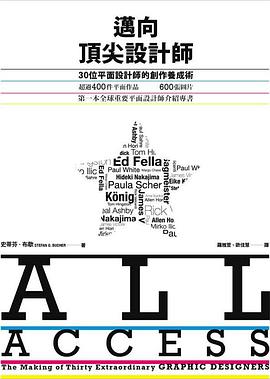

具体描述
一次見證30位偉大設計師的誕生,
第一本全球重要平面設計師介紹專書,
超過400件平面作品、600張圖片。
這一次,我們真正靠近了頂尖設計師的世界,
深入他們的靈魂,
聽他們吐露私囊美學,傳授創意機密,
聽他們奮鬥掙扎的故事,真摯而感人。
本書緣起於資深設計人史蒂芬‧布赫在生涯上碰到了許多疑問和瓶頸,試圖藉由採訪前輩大師並透過他們無私的分享,解答自身的困惑。
書中以極具啟發性的故事探索了30位國際平面設計師年輕時代的求學經歷、獲得了哪些良師的啟迪、如何踏入設計這一行、又如何曾經掙扎於創作生涯瓶頸,以及最終獲致突破性的一刻。同時以編年史方式收錄、解說其精采代表作。閱讀本書,我們理解了身為設計師可能遭遇的難題,分享他們獨到的創意美學,學習解決問題的智慧,最終明白,造就一位成功設計師的奧祕--「設計」先是來自於日常的想法,然後才是技巧準則。
布赫表示,「這些優秀設計師並非打從一出生即精通十八般武藝。細看他們早期的經歷,你會發現他們和你我一樣普通:忙著支付每月帳單,努力工作,不斷地磨練專業技巧。如果好好揣摩他們在創作生涯中所做的每一個關鍵決定,不難找出他們今日為何能與眾不同的原因。我們都有希望成為一個頂尖設計師的。」
30位設計師的故事碰觸到了以下主題:
平面設計大師想什麼?怎麼想?
從設計師的求學背景、風格養成、創作理念、工作經歷、如何突破瓶頸等等,多面向觸及設計師的關鍵轉折,直探創作的核心。
為什麼會走進平面設計領域?因為某個偶然事件?
是否歷經創作瓶頸?
面臨失敗、挫折時,如何跨越?
是否有過靈光乍現的時刻?
如何讓作品被接受?
即使成名,是否仍會面對「害怕」(靈感枯竭)?
如何在工作和生活之間取得平衡?
設計工作是否讓他們感到快樂?
第一本全球重要平面設計師介紹專書
精華收錄平面設計界重要人物、代表作品
作品簡表一目了然‧編排出色
編年史方式介紹設計師不同時期的作品:初試啼聲驚人作、風格轉變作、成就全球知名度的作品和近期成熟作
本文闡述設計師人生歷程、掌握創作精髓(=縱向面)
作品年表提供欣賞設計師不同時期代表作(=橫向面)
提供交叉閱讀的樂趣
作者本身=平面設計師
設計本業作者挑選、編撰,內容具說服力
觀察點不同於尋常報導,富深度且讀來有趣
勵志人生學
編撰動機起緣於作者對於工作的熱忱和困惑,故挖掘的問題可供生涯經營之參考,富激勵作用。
--------------------
自序
這些人到底是誰?
重要資訊
自序:這些人到底是誰?
平面設計師的獨家內幕
Allen Hori (美國)
Anne Burdick (美國)
Ed Fella (美國)
Paul Sahre (美國)
Stefan Sagmeister (奧地利/美國)
James Victore (美國)
Tom Hingston (英國)
Eike Konig (德國)
Neal Ashby (美國)
Paul White (英國)
中島英樹 (日本)
Rick Valicenti (美國)
Margo Chase (美國)
Paula Scher (美國)
Mirko Ilic (南斯拉夫/美國)
Harmine Louwé (荷蘭)
Denise Gonzales Crisp (美國)
Peter Vattanatham (美國)
Evan Gaffney (美國)
Hjalti karlsson and Jan Wilker (冰島/德國/美國)
Big Active (英國)
Kjell Ekhorn and Jon Forss (挪威/英國)
Deanne Cheuk (澳洲/美國)
Kim Hiorthoy (挪威)
Camillia Benbassat(美國/英國)
Valerie Kiock (德國)
Angela Detanico and Rafael Lain (巴西)
Martin Woodtli (瑞士)
Rinzen (澳洲)
Fiel Valdez (美國)
Thank you
設計師年代表X世界大事記
作者简介
■作者簡介
史蒂芬‧布赫
1973年生於德國,美國洛杉磯Art Center College of Design畢業。現為洛杉磯344 Design公司藝術總監,曾為《關鍵報告》和《駭客任務》電影原聲帶、歌手史汀、惠妮休斯頓、艾拉妮絲莫瑞塞特和七小龍偶像團體(S Club 7)、太陽雙子(Solar Twins)等設計音樂CD包裝,著名軟體公司Roxio的「CD燒錄軟體」Logo亦出自其手。曾以《American Photography 17》一書設計榮獲英國2002年D&AD 銀獎(該獎項評審皆由國際專業人士擔任,針對藝術、設計、廣告界遴選年度優秀作品)。
作者的作品備受美國設計界欣賞表揚,如AIGA、Art Directors Club、American Center for Design、the One Show、the Type Directors Club、HOW、Print、STEP、novum、 Communication Arts Magazine等機構。史蒂芬‧布赫喜歡畫怪獸,幾乎每天會畫一隻並貼上youtube供人欣賞,他的怪獸一點也不可怕,而像是討喜的玩偶。
■譯者簡介
羅雅萱
(1~15章)台大財金系學士,英國新堡大學口譯碩士,目前為生活不自由的自由譯者。譯有《日常生活經典100》、《設計大師談設計》、《當代設計演化論》、《什麼是產品設計》和《無用設計:32位頂尖設計師的永續創意》。
歐佳慧
(16~30章)政大英國語文學系畢業,英國華威大學比較文學和文化研究碩士。1974年生於台北。
目录信息
读后感
用户评价
“邁向頂尖設計師” is more than just a book about design; it’s a profound exploration of the journey towards mastery and leadership in a creative field. From the outset, the title itself signals a commitment to excellence, and the content within truly delivers on that promise. The author masterfully guides the reader through the essential components of becoming an outstanding designer, emphasizing that it’s a holistic endeavor that encompasses technical skill, critical thinking, strategic vision, and a deep understanding of human behavior. I found the sections on developing a unique creative voice and establishing a strong design philosophy particularly impactful. It’s about moving beyond simply replicating trends to forging an authentic and influential presence. The book also underscores the importance of continuous learning and staying curious, highlighting how adaptability and a willingness to embrace new challenges are crucial for long-term success in the dynamic world of design. The author’s insights into effective communication and stakeholder management are invaluable. It’s about more than just presenting a beautiful design; it’s about articulating the underlying strategy, the user benefits, and the overall value proposition in a compelling and persuasive manner. The discussion on building resilience and learning from feedback, whether positive or negative, is also a key takeaway. The path to becoming a top designer is often paved with challenges, and the ability to learn, adapt, and persevere is a hallmark of true professionalism. This book provides a robust framework for developing this critical resilience. It’s a comprehensive and inspiring resource that encourages a thoughtful, user-centric approach to design, pushing readers to not only create aesthetically pleasing work but also to craft solutions that are meaningful, impactful, and enduring. It’s a vital read for anyone serious about elevating their design practice to its highest potential.
评分As someone who has been immersed in the design field for a while, I'm always on the lookout for resources that offer genuine depth and actionable insights. “邁向頂尖設計師” did not disappoint. It’s a book that speaks directly to the ambition to not just create, but to innovate and to lead. The author skillfully guides the reader through the multifaceted journey of a successful designer, emphasizing that true mastery is built on a foundation of understanding, continuous learning, and a relentless commitment to excellence. What resonated most with me was the exploration of the “why” behind design decisions. It’s not enough to simply make things look good; the book encourages a deep understanding of the purpose, the audience, and the impact of the designed output. This shift in perspective is crucial for anyone aiming for the top. The author's discussion on building resilience in the face of challenges and setbacks is particularly valuable. The design process is rarely linear, and the ability to learn from criticism, to pivot when necessary, and to maintain a positive outlook are essential qualities for sustained success. The book also provides a compelling argument for the importance of interdisciplinary collaboration. Recognizing that the best design often emerges from the intersection of different ideas and perspectives is a key takeaway. The author’s insights into effective communication and storytelling are incredibly practical, offering strategies for articulating design vision and securing buy-in from stakeholders. It’s about more than just presenting a finished product; it’s about conveying the thought process, the rationale, and the value it brings. The exploration of how to cultivate a growth mindset and embrace lifelong learning is woven throughout the narrative, underscoring the dynamic nature of the design profession. This is not a book that offers quick fixes, but rather a comprehensive framework for developing the skills, the mindset, and the strategic approach necessary to achieve and sustain a position of influence in the design world. It’s a powerful testament to the dedication and thoughtful approach of the author, and a must-read for any aspiring or established designer looking to reach new heights.
评分“邁向頂尖設計師” – this title itself evokes a sense of aspiration, a journey toward mastery. What I found within its pages was far beyond mere technical instruction. It’s a deep dive into the mindset required to excel, a exploration of the principles that underpin groundbreaking work. The author doesn't just present solutions; they dissect the problem-solving process itself, revealing the intricate dance between creativity, critical thinking, and strategic execution. I particularly appreciated the sections that discussed the importance of developing a unique design voice. It’s easy to get lost in trends and mimic popular styles, but this book champions the development of an authentic, individual approach that resonates deeply with audiences. The emphasis on continuous learning and staying curious is paramount. The design world is in constant flux, and the ability to adapt, to embrace new technologies, and to learn from both successes and failures is what separates the good from the truly great. The book offers a nuanced perspective on feedback, framing it not as criticism, but as an opportunity for growth and refinement. The author articulates the challenges of navigating client expectations and stakeholder communication, providing invaluable insights into building strong relationships and ensuring project success. It’s a holistic approach that acknowledges that design is as much about people and collaboration as it is about aesthetics and functionality. The book’s exploration of ethical considerations in design is particularly timely and important. It prompts readers to think about the broader impact of their work and the responsibility designers have in shaping the world around us. The discussion on building a sustainable design career, focusing on long-term growth and impact, was incredibly insightful. It’s a realistic yet inspiring look at the dedication and perseverance required to achieve lasting success in this competitive field. The author’s ability to distill complex concepts into accessible language is a testament to their own mastery. This book is a powerful catalyst for anyone looking to elevate their design practice beyond the ordinary.
评分The title “邁向頂尖設計師” immediately drew me in, promising a roadmap to excellence. What I discovered within its pages was far more profound than a mere collection of tips and tricks. It’s a deep dive into the very essence of design mastery, exploring the crucial interplay between creative intuition, rigorous problem-solving, and strategic vision. The author’s ability to articulate the nuanced journey of a designer striving for the highest levels of achievement is truly commendable. I was particularly struck by the emphasis on developing a robust conceptual foundation for one’s work. It’s about understanding the ‘why’ behind every design decision, ensuring that the aesthetics are not just superficial but are intrinsically linked to purpose and user needs. The book also delves into the vital importance of continuous learning and adaptability in a rapidly evolving field. The design landscape is constantly shifting, and the capacity to stay curious, embrace new technologies, and learn from both triumphs and setbacks is a defining characteristic of top designers. The author offers valuable insights into the art of communication and collaboration, explaining how to effectively present ideas, garner buy-in from stakeholders, and build strong, productive relationships. This is often the ‘secret sauce’ that separates good designers from great ones. Furthermore, the book thoughtfully addresses the development of resilience and the ability to learn from criticism. The journey to excellence is rarely smooth, and the capacity to absorb feedback, adapt, and persevere is paramount. The author provides a framework for cultivating this essential fortitude. This is a book that inspires and equips readers with the strategic thinking, the creative discipline, and the collaborative skills necessary to not only achieve but also to redefine excellence in the design world. It’s an investment in one’s professional growth that pays significant dividends.
评分I’ve read countless books on design, from technical manuals to theoretical treatises, but “邁向頂尖設計師” stands out for its singular focus on cultivating the essential qualities of an elite designer. It's a book that addresses the often-unspoken aspects of design leadership – the strategic thinking, the problem-solving acumen, and the unwavering commitment to pushing boundaries. The author’s approach is both inspiring and grounded in practical reality, offering a roadmap for navigating the complexities of the design landscape. A significant takeaway for me was the emphasis on cultivating a deep understanding of the user experience, not just in terms of usability, but in creating truly memorable and impactful interactions. This involves a level of empathy and insight that goes beyond surface-level analysis. The book also eloquently articulates the importance of developing a strong conceptual framework for one’s work, ensuring that each design decision is informed by a clear purpose and a well-defined vision. The author doesn’t shy away from the challenges inherent in striving for excellence, discussing the need for resilience, adaptability, and a willingness to embrace constructive criticism. These are qualities that are often honed through experience, but this book provides a valuable framework for understanding and developing them proactively. The exploration of how to build a sustainable and impactful design career, focusing on continuous growth and long-term contribution, was particularly insightful. It’s about creating a legacy, not just producing a series of projects. The author’s ability to connect theoretical principles with real-world application, illustrated through compelling examples, makes the content both engaging and highly relevant. For anyone serious about carving out a distinctive and influential path in the design world, this book is an essential read. It offers a potent blend of inspiration and practical guidance, urging readers to embrace challenges, cultivate a critical eye, and ultimately, to define their own path to design leadership.
评分“邁向頂尖設計師” is a title that immediately captures the ambition and dedication required to excel in the design world. What the book offers is a deeply insightful exploration of the journey towards design mastery, focusing on the essential elements that differentiate truly exceptional practitioners. The author’s approach is characterized by a thoughtful emphasis on developing not just technical proficiency, but also the strategic thinking, creative vision, and interpersonal skills that are vital for leadership in the field. A key takeaway for me was the detailed exploration of how to cultivate a unique design perspective and articulate a compelling conceptual framework. It’s about moving beyond trends and creating work that is both original and meaningful. The book also powerfully advocates for continuous learning and adaptability, underscoring that in the ever-evolving landscape of design, curiosity and a willingness to embrace change are paramount. The author’s insights into effective communication and collaboration are incredibly practical, offering actionable strategies for presenting design ideas persuasively, managing client expectations, and fostering productive teamwork. This ability to connect with and influence others is a critical component of design leadership. Furthermore, the book addresses the importance of resilience and a growth mindset, recognizing that the path to excellence is often filled with challenges. Learning to view feedback as an opportunity for improvement and maintaining a positive outlook are essential qualities that the book helps to cultivate. It provides a comprehensive framework for understanding the multifaceted nature of design leadership, encouraging readers to develop a holistic approach that balances creativity with strategic execution and human connection. It’s an inspiring and invaluable resource for anyone aspiring to reach the pinnacle of the design profession.
评分The very name, “邁向頂尖設計師,” sets a high bar, hinting at a journey of dedication and refinement. Within these pages, I found a guide that not only acknowledges this ambition but actively empowers it, dissecting the nuanced path to achieving excellence in design. The author’s exploration goes far beyond surface-level aesthetics, delving into the critical thinking, strategic foresight, and profound user empathy that define truly impactful design. What I found particularly valuable was the emphasis on cultivating a distinct design philosophy. It’s about understanding one’s own creative principles and translating them into a cohesive and recognizable body of work. This book provides the framework for developing that clarity of vision. The discussion on the iterative nature of the design process is also central, highlighting the importance of embracing experimentation, learning from feedback, and consistently pushing the boundaries of one’s capabilities. The author doesn’t shy away from the challenges inherent in this pursuit, offering practical advice on developing resilience and adaptability in the face of setbacks and evolving industry demands. The insights into effective communication and collaboration are equally crucial, emphasizing the ability to articulate design rationale, build consensus with stakeholders, and foster a creative synergy within teams. This is often the differentiator between merely executing tasks and truly leading projects. The book’s focus on developing a sustainable and meaningful design career, one that prioritizes continuous growth and lasting impact, is a testament to its comprehensive nature. It’s a powerful resource that inspires a deeper understanding of design, encouraging readers to approach their craft with intention, rigor, and a commitment to making a significant contribution to the world. It’s a call to action for anyone serious about leaving their mark.
评分“邁向頂尖設計師” offers a refreshingly comprehensive perspective on what it truly takes to excel in the design field. It’s not just about learning tools or techniques; it’s about cultivating the mindset, the discipline, and the strategic vision that define world-class designers. The author skillfully unpacks the journey towards mastery, emphasizing the critical role of continuous learning, iterative refinement, and a deep understanding of the human element in design. What particularly impressed me was the detailed exploration of how to develop a unique design voice and perspective. In a world saturated with visual content, establishing a distinct and meaningful presence is paramount, and this book provides invaluable guidance on how to achieve that. The author doesn't just present a finished product; they dissect the process, the thought behind the decisions, and the underlying principles that guide exceptional design. The emphasis on understanding the broader context – the cultural, social, and technological landscape – is crucial, as it informs and elevates the creative output. The book also tackles the essential, yet often overlooked, skill of effective communication and collaboration. It highlights how to articulate design ideas persuasively, how to engage with stakeholders, and how to foster a collaborative environment that drives innovation. The discussion on building resilience and learning from both successes and failures is particularly pertinent. The design journey is seldom a straight line, and the ability to navigate setbacks with grace and learn from them is a hallmark of true professionals. This book provides a powerful framework for developing this crucial resilience. It’s a comprehensive and insightful guide that encourages a holistic approach to design, emphasizing not just the creation of beautiful objects, but the creation of meaningful experiences and impactful solutions. It’s a book that challenges you to think critically, to embrace curiosity, and to continuously strive for growth, making it an indispensable resource for anyone aspiring to reach the pinnacle of design.
评分The promise inherent in the title, “邁向頂尖設計師,” speaks volumes about the aspiration it seeks to nurture. What I found within its pages was a meticulously crafted guide to not just improving design skills, but to fundamentally reshaping one’s approach to creative problem-solving and leadership. The author delves deeply into the foundational principles that underpin truly exceptional design, emphasizing that it’s a continuous process of learning, iteration, and refinement. A significant aspect that resonated with me was the focus on cultivating a discerning eye and a critical mindset. It’s about understanding the subtle nuances that elevate a design from good to extraordinary, and this book provides the tools and perspectives to develop that keen observational ability. The author also expertly articulates the importance of developing a distinct design voice and a strong conceptual framework. In a crowded marketplace, having a clear, authentic point of view is essential for standing out and making a lasting impact. The book also emphasizes the crucial role of empathy and user understanding in the design process, urging readers to connect deeply with their audience and to create solutions that genuinely address their needs and aspirations. The discussion on effective communication and storytelling is another standout element, providing practical strategies for articulating design intent, gaining stakeholder buy-in, and fostering collaborative environments. Moreover, the book addresses the psychological aspects of design leadership, including building resilience, learning from criticism, and maintaining a growth mindset even in the face of setbacks. This holistic approach ensures that readers are not only equipped with technical prowess but also with the mental fortitude required for sustained success. It’s a comprehensive and inspiring resource that pushes the boundaries of what it means to be a top designer, making it an indispensable companion for anyone committed to achieving excellence in their craft.
评分这本书的名字叫做《邁向頂尖設計師》,光是看这个名字,就足以点燃我内心深处对设计 Those who aspire to be the best will find this book a beacon of inspiration and a practical guide. It's not just about aesthetics; it delves into the very soul of design, exploring the thought processes, the iterative journeys, and the relentless pursuit of excellence that defines a truly top-tier designer. I was particularly struck by the emphasis on understanding user needs, not just superficially, but in a deep, empathetic way that translates into solutions that are not only beautiful but also profoundly functional and meaningful. The author articulates the importance of context, of understanding the cultural, social, and historical backdrop against which design operates, and how this understanding informs and elevates the creative process. It’s a reminder that design is not created in a vacuum, but rather as a response to the world around us. The book also touches upon the crucial aspect of communication – how to articulate one's vision effectively, how to present ideas persuasively, and how to collaborate with diverse teams. This is often an overlooked skill, but one that is absolutely vital for anyone aspiring to lead and innovate. The author masterfully weaves together theoretical concepts with practical advice, offering actionable strategies that can be implemented immediately. It’s a book that challenges you to think differently, to question assumptions, and to push the boundaries of your own creativity. The exploration of different design philosophies and the historical evolution of design thinking provides a rich foundation for understanding the current landscape and anticipating future trends. For anyone serious about carving out a significant path in the design world, this book is an indispensable companion. It's more than just a collection of tips; it's a philosophical exploration that encourages a holistic approach to design, emphasizing continuous learning, adaptability, and a profound commitment to making a positive impact through one's work. The author’s personal anecdotes and case studies add a layer of authenticity and relatability, making the journey of becoming a top designer feel both aspirational and achievable. It has undoubtedly reshaped my perspective on what it means to be a designer and the responsibilities that come with that title. It’s a book that I’ll be returning to again and again for guidance and inspiration.
评分 评分 评分 评分 评分