
具体描述
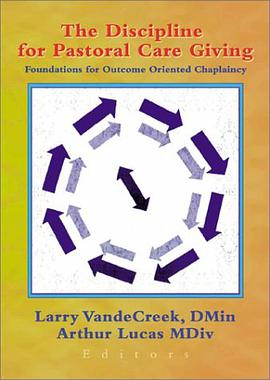
Structure your ministry to start with patients'needs, hopes, and resources and to be clear what difference your ministry can make! Hospital chaplains value who they are and what they do as contributions to patients'and families'healing and well-being. And they are continually stretching to enhance their ministries. Hospital administrators and other professionals on the care teams, however, often need help to grasp those same values in outcome oriented, observable, documentable, changes-for-the-better terms. The Discipline for Pastoral Care Giving: Foundations for Outcome Oriented Chaplaincy offers a powerful new paradigm for enhancing supportive, effective spiritual care for patients and families as well as communicating substantive outcomes to leaders and clinicians alike. This is all the more important in these times when every possible resource must be well used for the good of our patients and their families. By evaluating the pastoral care you offer, you can become more aware of the discrete skills you exercise in the assessment, planning, intervention, and reflection process. Such evaluation efforts highlight the discrete differences excellent spiritual care makes. This can help you track contributions you are making in terms of the patient's healing and well-being. Having a sound, replicable way to make the process more conscious also helps you communicate your assessment, strategies, and contributions more clearly to other care team members. Furthermore, consistently using The Discipline over time will enable you to discover patterns of spiritual dynamics in how people live with different health care challenges in their lives. These patterns translate into valuable insights as your care for others. The process discussed in The Discipline for Pastoral Care Giving calls on the chaplain to: identify the patient's spiritual needs, hopes, and resources construct a patient profile through identifying the individual's sense of the holy, sense of meaning, sense of hope, and sense of community design the desired outcome(s) you hope your care will contribute--for example, a person who has suffered a spinal cord injury integrates the effects of their injury in their sense of identity and meaning, a person living with cystic fibrosis healthfully grieves the loss of others in the CF community, a patient 'disabled'by the absence of her support community regains use of her personal resources for coping and self-care develop and share a plan for the patient's spiritual care choose interventions (which may range from facilitating a life review, to compassionate confrontation, to reading Scripture, to active listening, to arranging a family care conference) measure outcomes, identifying and communicating the difference your care has made in terms of the patient's healing and well-being The Discipline for Pastoral Care Giving offers case studies, personal experiences, helpful figures and charts, and suggestions for dealing with patients experiencing unique, complex health care challenges, including adults living with cystic fibrosis and violent victims of violence. The wise advice and practical suggestions in this book will help you recognize and document the solid value of your hospital ministry.
作者简介
目录信息
读后感
用户评价
坦率地说,这本书的阅读体验是挑战与收获并存的。它没有迎合当前流行的“快速解决方案”的潮流,反而要求我们回到事奉的根基——基督的榜样。书中有一部分内容专门探讨了“沉默的效用”,这颠覆了我过去认为牧者必须随时提供答案的固有观念。作者精彩地论述了在某些极端的痛苦面前,上帝的同在本身就是最强大的回应,而我们的工作是去创造空间让这份同在显现。这种对被动性(receptivity)的强调,极大地释放了我内心的表演欲和成就感驱动。此外,作者在处理代际差异下的关怀问题时展现出的洞察力令人赞叹。他/她非常细腻地分辨了不同年龄层对“被接纳”和“被理解”的不同需求,并提供了针对性的工具箱。这本书的章节划分逻辑性极强,如果你是那种喜欢做笔记、绘制思维导图的读者,你会发现它提供了绝佳的结构框架,让你能将这些复杂的理念系统地内化到自己的事工实践中去。
评分我花了相当长的时间才真正消化完这本书,因为它所包含的思想密度远超我的预期。这本书的论述结构非常严谨,仿佛是在进行一场精密的建筑学设计,每一个章节都是一个必要的支撑点,共同构建起一个坚固的牧养关怀体系。我尤其对其中关于“创伤知情关怀”的章节印象深刻,作者清晰地勾勒出创伤如何扭曲一个人的世界观和信仰表达,并提供了应对策略,这些策略既有扎实的心理学基础,又巧妙地融入了神学洞察。这不是一本轻描淡写的“如何让大家感觉良好”的读物,它直面了人性的幽暗和信仰的试炼。作者的语言风格非常沉稳、学术性强,阅读过程中需要经常停下来查阅一些引用的文献,这使得整个阅读过程成为一次深入的学习旅程,而非轻松的消遣。它要求读者不仅要有爱心,更要有知识和技巧去承载他人的重量。对于那些寻求深度、系统化培训的牧职人员来说,这本书无疑是一部里程碑式的著作,它教会我们,真正的关怀需要知识的重量来支撑。
评分读完此书,我的整体感觉是如饮甘霖,尤其是在当前教会越来越关注心理健康和人际张力的背景下,这本书提供了一套既有深度又有温度的实践蓝图。作者在处理“冲突中的关怀”这一棘手议题时,采取了近乎外科手术般的精准和谨慎。他/她详细拆解了冲突的根源,并强调了在调解过程中,区分事实、感受和信仰立场的关键步骤。这种清晰的流程图式的指导,极大地增强了我在处理教会内部紧张关系时的信心。书中有一章关于“神学视角的转化”的论述,令人耳目一新,它引导我们认识到,许多被视为“问题行为”的背后,往往隐藏着未被满足的属灵需求,从而将批评性的眼光转化为慈悲的探寻。这本书的排版和注释系统也做得非常出色,大量的延伸阅读建议,表明作者的视野广阔,乐于将读者引向更广阔的学术和实践领域。总而言之,这是一部需要反复研读的案头书,它不仅是为初级同工准备的入门指南,更是为资深牧者提供深度反思和精进技巧的宝库。
评分这本书最吸引我的地方在于它对“牧者身份认同”的深刻挖掘。作者似乎非常理解在现代多元文化和高压事工环境下,牧者如何容易迷失在“身份标签”之中——我是辅导员?我是行政人员?还是一个属灵导师?这本书通过一系列发人深省的反思性提问,引导读者重新锚定在“受膏者”的身份上,强调了个人灵修的不可替代性。它没有空泛地谈论“自我照顾”,而是将其与神学使命紧密结合起来,认为照顾好自己,不是自私,而是对未来需要被关怀者的忠诚。书中的案例研究部分极其丰富,每一个故事都像是从现实生活中提炼出来的精华,它们不仅说明了理论,更展示了理论在复杂人性面前的灵活应用。我个人认为,这本书的价值在于它提供了一种“慢工出细活”的关怀哲学,它反对快餐式的属灵指导,鼓励牧者像园丁一样,耐心地等待生命的成熟和转变。对于那些刚刚踏入全职事工,对自己的能力感到焦虑的年轻人来说,这本书无疑是一剂定心丸,因为它肯定了谦卑和持续学习的重要性。
评分这本关于牧养关怀的书籍,从一开始就给人一种既庄重又充满关怀的基调。作者在开篇就深入探讨了关怀的本质,不仅仅将其视为一种任务或责任,而是将其提升到一种深刻的属灵实践层面。他/她没有回避牧者在关怀过程中可能遇到的伦理困境和情感耗竭问题,反而将其视为成长的契机。我特别欣赏作者对于“聆听的艺术”的细致阐述,这部分内容远超出了简单倾听的范畴,而是强调了一种全身心的投入和对上帝在他人生命中动工的敏感性。阅读过程中,我仿佛置身于一个由经验丰富的前辈引导的研讨会中,他/她用一系列生动的案例,展示了如何在不同文化背景和生命阶段的人群中,提供既合乎圣经原则又充满人性温度的帮助。书中对“界限设定”的讨论尤为深刻,许多同工常常因此感到挣扎,而作者提供的框架清晰、务实,既保护了牧者的身心健康,也确保了关怀的有效性。这本书不是一本教人如何“做”事的手册,而是一本引导人如何“成为”一位更具智慧和恩典的关怀者的指南。它迫使我反思自己的动机和预设,从而将我的事工实践根植于更深的敬虔之中。
评分 评分 评分 评分 评分