
具体描述
This book is intended for IT professionals and students who want to learn how to design, analyze, and understand databases. The material will benefit those who want a better high-level understanding of databases such as proposal managers, architects, project managers, and even customers. The material will also benefit those who will actually design, build, and work with databases such as database designers, database administrators, and programmers. In many projects, these roles overlap so the same person may be responsible for working on the proposal, managing part of the project, and designing and creating the database. This book is aimed at IT professionals and students of all experience levels. It does not assume that you have any previous experience with databases or programs that use them. It doesn’t even assume that you have experience with computers. All you really need is a willingness and desire to learn. This book explains database design. It tells how to plan a database’s structure so the database will be robust, resistant to errors, and flexible enough to accommodate a reasonable amount of future change. It explains how to discover database requirements, build data models to study data needs, and refine those models to improve the database’s effectiveness. The book solidifies these concepts by working through a detailed example that designs a realistic database. Later chapters explain how to actually build databases using two common database products: Access 2007 and MySQL. The book finishes by describing some of the topics you need to understand to keep a database running effectively such as database maintenance and security. This book explains database design. It tells how to determine what should go in a database and how the database should be structured to give the best results. This book does not focus on actually creating the database. The details of database construction are different for different database tools so, to remain as generally as useful as possible, this book doesn’t concentrate on any particular database system. You can apply the techniques described here equally to whatever database tool you use whether it’s Access, SQL Server, Oracle, MySQL, or some other database product. Most database products include free editions that you can use for smaller projects. For example, SQL Server Express Edition, Oracle Express Edition, and MySQL Community Server are all free. To remain database neutral, the book does not assume you are using a particular database so you don’t need any particular software or hardware. To work through the Exercises, all you really need is a pencil and some paper. You are welcome to type solutions into your computer if you like but you may actually find working with pencil and paper easier than using a graphical design tool to draw pictures, at least until you are comfortable with database design and are ready to pick a computerized design tool. “Goals of Effective Database Design,” explains the reasons why people and organizations use databases. It explains a database’s purpose and conditions that it must satisfy to be useful. This also describes the basic ACID (Atomicity, Consistency, Isolation, Durability) and CRUD (Create, Read, Update, Delete) features that any good database should have. It explains in high-level general terms what makes a good database and what makes a bad database. “Database Types,” explains some of the different types of databases that you might decide to use. These include flat files, spreadsheets, hierarchical databases (XML), object databases, and relational databases. The relational database is one of the most powerful and most commonly used forms of database so it is the focus of this book, but it is important to realize that there are alternatives that may be more appropriate under certain circumstances. This gives some tips on deciding which kind of database might be best for a particular project. “Relational Database Fundamentals,” explains basic relational database concepts such as tables, rows, and columns. It explains the common usage of relational database terms in addition to the more technical terms that are sometimes used by database theorists. It describes different kinds of constraints that databases use to guarantee that the data is stored safely and consistently. “Understanding User Needs,” explains how to learn about the users’ needs and gather user requirements. It tells how to study the users’ current operations, existing databases (if any), and desired improvements. It describes common questions that you can ask to learn about users’ operations, desires, and needs, and how to build the results into requirements documents and specifications. This explains what use cases are and tells how to use them and the requirements to guide database design and to measure success. “Translating User Needs into Data Models,” introduces data modeling. It explains how to translate the user’s conceptual model and the requirements into other more precise models that define the database design rigorously. This describes several database modeling techniques including user-interface models, semantic object models, entity-relationship diagrams, and relational models. “Extracting Business Rules,” explains how a database can handle business rules. It explains what business rules are, how they differ from database structure requirements, and how you can identify business rules. This explains the benefits of separating business rules from the database structure and tells how achieve that separation. “Normalizing Data,” explains one of the biggest tools in database design: normalization. Normalization techniques allow you to restructure a database to increase its flexibility and make it more robust. This explains the various forms of normalization, emphasizing the stages that are most common and important: first, second, and third normal forms (1NF, 2NF, and 3NF). It explains how each of these kinds of normalization helps prevent errors and tells why it is sometimes better to leave a database slightly less normalized to improve performance. “Designing Databases to Support Software Applications,” explains how databases fit into the larger context of application design and lifecycle. This explains how later development depends on the underlying database design. It discusses multi-tier architectures that can help decouple the application and database design so there can be at least some changes to either without requiring changes to the other. “Common Design Patterns,” explains some common patterns that are useful in many applications. Some of these techniques include implementing various kinds of relationships among objects, storing hierarchical and network data, recording temporal data, and logging and locking. “Common Design Pitfalls,” explains some common design mistakes that occur in database development. It describes problems that can arise from insufficient planning, incorrect normalization, and obsession with ID fields and performance. “User Needs and Requirements,” walks through the steps required to analyze the users’ problem, define requirements, and create use cases. It describes interviews with fictitious customers that are used to identify the application’s needs and translate them into database requirements. “Building a Data Model,” translates the requirements gathered in the previous into a series of data models that precisely define the database’s structure. This builds user-interface models, entity-relationship diagrams, semantic object models, and relational models to refine the database’s initial design. The final relational models match the structure of a relational database fairly closely so they are easy to implement. “Extracting Business Rules,” identifies the business rules embedded in the relational model. It shows how to extract those rules in order to separate them logically from the database’s structure. This makes the database more robust in the face of future changes to the business rules. “Normalization and Refinement,” refines the relational model by normalizing it. It walks through several versions of the database that are in different normal forms. It then selects the degree of normalization that provides a reasonable tradeoff between robust design and acceptable performance. “Microsoft Access,” explains how to build a database with Microsoft Access 2007. This explains enough to get started and to use Access to build non-trivial databases. You can use other versions of Access to work through this, although the locations of menus, buttons, and other Access features are different in different versions. “MySQL,” explains how to build a database with MySQL. This tells where to download a free version of MySQL. It explains how to use the MySQL Command Line Client as well as some useful graphical tools including MySQL Query Browser and MySQL Workbench. “Introduction to SQL,” provides an introduction to SQL (Structured Query Language). It explains how to use SQL commands to add, insert, update, and delete data. By using SQL, you can help insulate a program from the idiosyncrasies of the particular database product that it uses to store data. “Building Databases with SQL Scripts,” explains how to use SQL scripts to build a database. It explains the advantages of this technique, such as the ability to create scripts to initialize a database before performing tests. It also explains some of the restrictions on this method, such as the fact that the user must create and de...
点击链接进入中文版:
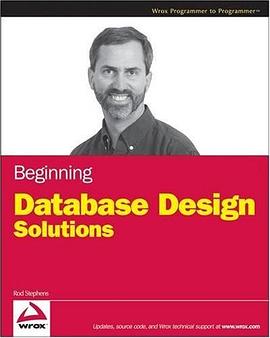
数据库设计解决方案入门经典
作者简介
目录信息
读后感
用户评价
《Beginning Database Design Solutions (Wrox Programmer to Programmer)》这本书,对我而言,更像是一位耐心的向导,引领我一步步探索数据库设计的奥秘。它的语言风格非常亲切,没有那些高高在上的学术腔调,而是充满了程序员之间交流的那种实在和坦诚。作者在讲解数据库性能优化时,并没有简单地给出一堆“银弹”式的建议,而是深入分析了不同优化策略背后的原理,以及它们适用的场景。例如,关于索引(Index)的讲解,它不仅解释了B-tree索引的工作原理,还详细阐述了如何根据查询模式选择合适的列来创建索引,以及复合索引、覆盖索引等高级概念。书中甚至还讨论了在某些情况下,过度使用索引反而可能导致性能下降,以及如何权衡索引的创建和维护成本。这让我明白,数据库优化并非一蹴而就,而是需要根据实际情况进行精细的调优。我特别喜欢书中关于“数据库事务(Transaction)”的章节,它用非常易懂的方式解释了ACID(原子性、一致性、隔离性、持久性)原则的重要性,以及在并发环境下如何确保数据的一致性。例如,书中通过一个银行转账的例子,生动地展示了如果没有事务的保护,可能出现的各种数据错误,以及如何通过事务的提交和回滚来保证操作的可靠性。这种将抽象概念与具体应用场景相结合的讲解方式,让我在理解这些核心概念时,能够有更直观的感受,也更容易将学到的知识应用到实际的开发中。
评分《Beginning Database Design Solutions (Wrox Programmer to Programmer)》这本书,是我数据库设计知识体系中非常重要的一块拼图。它以一种高度结构化的方式,将数据库设计中最为关键的几个环节——从需求分析、概念设计、逻辑设计到物理设计——一一拆解,并提供了相应的解决方案。我特别欣赏书中关于“数据建模”部分的讲解,它不仅仅是停留在绘制ER图的层面,而是深入探讨了如何从业务流程中识别关键的数据实体,如何定义实体之间的关系,以及如何为每个实体选择合适的属性和数据类型。书中举了大量实际的例子,比如如何设计一个社交媒体的用户关系表,如何设计一个电商平台的商品分类和属性表,这些都非常有借鉴意义。我甚至可以想象,在未来的项目开发中,我能够直接套用书中提供的建模思路和方法论。另外,本书在讲解数据冗余和数据一致性问题时,引入了“反范式化”的思想,并且给出了几种常见的反范式化模式。这对于我来说,是颠覆性的。我之前一直认为,规范化是数据库设计的唯一目标,但这本书让我意识到,在某些特定的性能需求下,适度的反范式化也是一种可行的优化手段。作者在介绍反范式化时,也强调了其潜在的风险,并给出了如何平衡利弊的建议,这种严谨的论述方式让我非常信服。
评分《Beginning Database Design Solutions (Wrox Programmer to Programmer)》这本书,给我最大的惊喜在于它对“数据库演进”的讨论。作者并没有将数据库设计看作是一成不变的静态过程,而是强调了在项目生命周期中,数据库结构往往需要不断地进行调整和优化。书中提供了一套关于“数据库版本控制”和“数据迁移”的实用策略,这对于任何需要长期维护和迭代的应用程序来说,都具有极高的价值。我非常赞赏书中关于如何处理“数据迁移”的建议,它详细介绍了不同迁移方案的优缺点,以及如何最小化迁移过程中的业务中断。例如,它会讨论如何进行滚动式更新,如何回滚失败的迁移操作,以及如何有效地测试迁移脚本。这让我意识到,数据库设计并非一次性的任务,而是一个持续优化的过程。此外,书中还探讨了随着业务增长,数据库可能面临的扩展性挑战,以及如何通过分库分表、读写分离等策略来应对。这些前瞻性的讨论,让我能够从更高的维度来思考数据库的设计,而不仅仅是局限于眼前的需求。
评分《Beginning Database Design Solutions (Wrox Programmer to Programmer)》这本书,给我带来的最大收获,是它让我明白,数据库设计并非只是一门技术,更是一种思维方式。它教会我如何从数据的角度去分析和解决业务问题,如何构建一个能够支撑业务长期发展的数据基础。我尤其喜欢书中关于“面向对象与关系型数据库的集成”的章节。它详细阐述了ORM(Object-Relational Mapping)框架的工作原理,以及如何利用ORM来简化对象模型与关系型数据库之间的映射。书中还讨论了ORM可能带来的一些性能问题,以及如何通过手动编写SQL语句等方式来加以优化。这让我对ORM有了更深入的理解,不再仅仅将它视为一个“黑盒子”。作者的讲解方式非常生动,他能够用非常生活化的比喻来解释复杂的概念,让我在理解过程中不会感到吃力。例如,在讲解数据库事务时,他用“一次性购买多件商品”的例子来比喻事务的原子性,非常形象生动。这本书真正地让我看到了数据库设计的“艺术”所在,并且激发了我不断学习和探索的热情。
评分《Beginning Database Design Solutions (Wrox Programmer to Programmer)》这本书,在我的编程生涯中扮演了一个“启蒙者”的角色。它并没有给我灌输那些晦涩难懂的理论,而是以一种“如何解决实际问题”的视角,来引导我逐步深入理解数据库设计的精髓。我尤其对书中关于“数据库的安全性”的章节印象深刻。在实际开发中,数据安全往往是许多程序员容易忽略的一个方面,而这本书却将其提升到了重要的位置,并提供了切实可行的解决方案。它详细介绍了SQL注入攻击的原理,以及如何通过参数化查询、输入验证等手段来防范此类攻击。此外,书中还讲解了如何进行数据加密、访问控制等,这些内容对于构建安全可靠的数据库系统至关重要。作者的讲解风格非常贴近程序员的思维模式,用代码示例来阐释概念,用实际场景来验证理论。例如,在讲解如何设计一个高效的数据库索引时,它不仅仅是告诉你“要加索引”,而是会告诉你“在什么情况下加什么类型的索引,以及为什么”。这种深入浅出的讲解方式,让我能够轻松地理解并掌握复杂的数据库设计知识。
评分《Beginning Database Design Solutions (Wrox Programmer to Programmer)》这本书,是我在众多技术书籍中,为数不多能够让我反复阅读、时常翻阅的。它并非那种“看完即丢”的速成指南,而是充满了值得深入思考和反复实践的内容。我尤其欣赏书中关于“数据库架构选择”的讨论。它并没有简单地推荐某种特定的数据库技术,而是从业务需求、团队技能、成本预算等多个角度,来分析不同数据库架构的优劣势。例如,它会讨论关系型数据库、NoSQL数据库(如文档数据库、键值数据库、列族数据库、图数据库)各自适用的场景,以及如何根据具体需求做出最优选择。书中还提供了一些关于混合架构设计的建议,这对于构建复杂的现代应用程序来说,是非常有价值的。作者的讲解风格极其严谨,每一处论断都有理有据,并且都能够结合实际的工程实践来加以佐证。这让我能够对书中的内容产生极高的信任度,并且能够放心地将其应用到我的工作中。
评分《Beginning Database Design Solutions (Wrox Programmer to Programmer)》这本书,对我而言,是一本真正意义上的“程序员的数据库设计宝典”。它并没有回避那些开发过程中会遇到的棘手问题,而是直面它们,并提供了清晰、可行的解决方案。我尤其对书中关于“数据库性能调优”的详尽阐述印象深刻。它不仅仅是停留在理论层面,而是深入到SQL语句的执行计划分析、慢查询的定位与优化、数据库连接池的配置等方面。书中提供了一些非常实用的工具和命令,比如如何使用`EXPLAIN`命令来分析SQL语句的执行效率,如何通过监控工具来发现数据库的瓶颈。我甚至觉得,单凭这一章节的内容,就已经非常有价值了。作者的语言简洁明了,逻辑清晰,没有多余的废话,能够让我在最短的时间内掌握最核心的知识。而且,书中大量的图示和代码片段,也极大地降低了学习的门槛,让我在阅读过程中能够保持高度的专注和兴趣。
评分读完《Beginning Database Design Solutions (Wrox Programmer to Programmer)》,我最大的感受就是它的实用性和指导性。这本书并没有陷入那些理论家们常常提及的、脱离实际的抽象概念,而是紧紧围绕着“程序员需要什么”这个核心来展开。作者深知我们程序员在面对真实世界的数据挑战时,需要的是能够解决问题的方案,而不是一堆堆晦涩难懂的数学公式。书中关于数据库规范化(Normalization)的讲解,就是最典型的例子。它没有仅仅停留在介绍第一、第二、第三范式的定义,而是通过一个又一个贴近日常开发场景的案例,比如用户管理、商品库存、订单系统等,来展示不同范式如何帮助我们消除数据冗余、提高数据一致性,以及解决更新、插入、删除异常。我印象最深刻的是,作者在讲解如何将非规范化的表分解为规范化的表时,提供了非常详尽的步骤和清晰的逻辑推理,甚至还配有详细的ER图演变过程。这让我能够清晰地看到,从一个混乱的、充满冗余的数据结构,是如何一步步演变成一个结构清晰、高效且易于维护的数据库模型的。书中的“数据库设计的陷阱”章节更是让我醍醐灌顶,它列举了许多新手程序员在设计数据库时容易犯的错误,比如过度设计、不考虑扩展性、忽略数据类型选择的重要性等等,并且提供了相应的规避方法。这如同一个经验丰富的导师,在我的学习道路上为我指明了方向,避免了我可能走过的弯路。这本书真正地教会了我“为什么”要这样做,而不是仅仅告诉我“怎么”做,这种深入的理解,让我能够举一反三,面对未知的数据库设计问题时,也能够有信心去分析和解决。
评分我最近有幸拜读了《Beginning Database Design Solutions (Wrox Programmer to Programmer)》,这本书给我的触动太大了,尤其是它在讲解数据库设计核心概念时那种循序渐进、抽丝剥茧的严谨态度,让我这个初学者也能迅速建立起扎实的理论基础。作者并非直接罗列各种复杂的范式和术语,而是从实际问题的痛点出发,比如数据冗余、更新异常、数据不一致等,然后一步步引出解决方案,使得理解过程显得尤为自然和顺畅。书中关于实体-关系模型(ERM)的阐述更是我的启蒙,它不仅仅是介绍了ERM的组成部分,如实体、属性、关系,更深入地探讨了如何根据业务需求识别这些要素,并用清晰的图示和生动的案例来说明如何将抽象的业务场景转化为可视化的ER图。我特别喜欢书中关于“选择合适的键”的部分,它详细分析了主键、外键、候选键等不同键的作用和选择标准,并且通过大量的反例和正例,让我深刻理解了为什么一个好的键设计对于数据库的性能和维护至关重要。例如,书中举了一个关于“订单”和“客户”关系的例子,解释了为什么将客户ID作为订单表的外键是比重复存储客户信息更为高效和规范的做法。这种基于实践的教学方法,让我不再感到枯燥乏味,而是充满了解决问题的成就感。此外,本书在讲解范式理论时,并没有停留在理论层面,而是结合实际场景,演示了如何通过反范式化来优化查询性能,以及在何种情况下进行反范式化是合理的。这些内容对于我这样想要快速上手实际项目开发的程序员来说,无疑是雪中送炭。它打破了我以往对数据库设计“神秘不可知”的刻板印象,让我觉得数据库设计其实是可以被理解、被掌握的。
评分《Beginning Database Design Solutions (Wrox Programmer to Programmer)》这本书,用一种非常“程序员友好”的方式,打开了我对数据库设计的新视野。它并没有将数据库设计描述成一个数学家或者理论家才能玩转的领域,而是将它分解成了一系列可以被理解、可以被掌握的步骤和技术。我特别喜欢书中关于“数据质量”的章节。它不仅仅是强调数据的准确性和完整性,还深入探讨了如何通过数据清洗、数据验证、主数据管理等手段来提升数据的质量。书中提供了一些非常实用的工具和技巧,比如如何使用SQL语句来检查数据异常,如何设计数据校验规则来防止无效数据的录入。这让我深刻认识到,一个设计良好的数据库,不仅仅是结构的合理,更是数据的质量有保障。作者在讲解这些内容时,总是能提供丰富的代码示例和图表,让我能够直观地理解其原理和应用。例如,在讲解如何进行数据清洗时,它会提供具体的SQL脚本,演示如何找出重复记录、格式不一致的数据等。
评分Learned the basic concepts of database design. Just what i need.
评分introduction
评分introduction
评分Learned the basic concepts of database design. Just what i need.
评分introduction