

具體描述
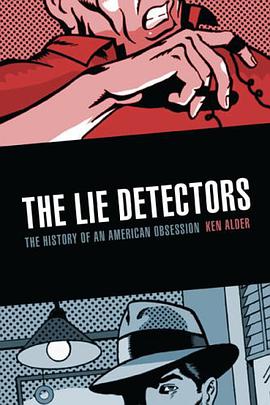
The story of the lie detector takes us straight into the dark recesses of the American soul. It also leads us on a noir journey through some of the most storied episodes in American history. That is because the device we take for granted as an indicator of guilt or innocence actually tells us more about our beliefs than about our deeds. The machine does not measure deception so much as feelings of guilt or shame. As Ken Alder reveals in his fascinating and disturbing account, the history of the lie detector exposes fundamental truths about our culture: why we long to know the secret thoughts of our fellow citizens; why we believe in popular science; and why America embraced the culture of "truthiness."For centuries, people searched in vain for a way to unmask liars, seeking clues in blushing cheeks, shifty eyes, and curling toes...all the body's outward signs. But not until the 1920s did a cop with a Ph.D. team up with an entrepreneurial high school student from Berkeley, California and claim to have invented a foolproof machine that peered directly into the human heart. In a few short years their polygraph had transformed police work, seized headlines, solved sensational murders, and enthralled the nation. In Chicago, the capital of American vice, the two men wielded their device to clean up corruption, reform the police, and probe the minds of infamous killers. Before long the lie detector had become the nation's "mechanical conscience," searching for honesty on Main Street, in Hollywood, and even within Washington, D.C. Husbands and wives tested each other's fidelity. Corporations tested their employees' honesty. Movie studios and advertisers tested their audiences' responses. Eventually, thousands of government employees were tested for their loyalty and "morals" -- for lack of which many lost their jobs.Yet the machine was flawed. It often was used to accuse the wrong person. It could easily be beaten by those who knew how. Repeatedly it has been applied as an instrument of psychological torture, with the goal of extracting confessions. And its creators paid a commensurate price. One went mad trying to destroy the Frankenstein's monster he had created. The other became consumed by mistrust: jealous of his cheating wife, contemptuous of his former mentor, and driven to an early death. The only happy man among the machine's champions was the eccentric psychologist who went on to achieve glory as the creator of Wonder Woman.Yet this deceptive device took America -- and only America -- by storm. Today, the CIA still administers polygraphs to its employees. Accused celebrities loudly trumpet its clean bill of truth. And the U.S. government, as part of its new "war on terror," is currently exploring forms of lie detection that reach directly into the brain. Apparently, America still dreams of a technology that will render human beings transparent."The Lie Detectors" is the entertaining and thought-provoking story of that American obsession.
作者簡介
目錄資訊
讀後感
用戶評價
如果用一個詞來形容這本書,那一定是“迴響”。它的故事綫或許已經結束瞭,但故事所引發的思考卻在我腦海中久久不散,像低頻的震動持續不斷。我尤其欣賞作者對細節的關注,那些不經意間透露齣的文化符號、環境暗示,都為整個故事增添瞭豐富的層次感和真實感。這本書的情感基調是復雜而微妙的,它不是那種讓你痛哭流涕的悲劇,也不是讓你歡呼雀躍的勝利,而是一種更接近於“清醒的悲涼感”——你知道很多事情已經無法挽迴,但你仍然被那些微小的、人性閃光的瞬間所打動。作者的文筆帶著一種沉靜的、近乎紀錄片的寫實感,這使得那些最離奇的事件也仿佛在我們身邊真實發生過一樣。對於那些尋求真正有重量、有內涵的文學作品的讀者來說,這本書絕不應該被錯過。它不僅講述瞭一個故事,它更是在邀請我們參與一場關於我們自身局限性和潛能的深刻對話。
评分說實話,這本書的開局稍微有點慢熱,我差點以為自己選錯書瞭。前幾章的鋪陳,大量使用瞭大量的環境描寫和人物背景介紹,乍一看似乎與核心衝突有些疏遠,但請相信我,這絕對是作者精心設計的“蓄力”過程。一旦故事的主綫開始加速,那種爆發力是毀滅性的。這位作者對節奏的把控達到瞭近乎完美的境界——他知道何時該讓你喘口氣,何時又該讓你屏住呼吸,迎接下一波情感的衝擊。我特彆喜歡他處理對話的方式,那些看似平淡的交流背後,往往隱藏著巨大的信息量和未曾言明的張力,每一句話都像是一個精心放置的棋子,最終導嚮一個無法逃脫的棋局。讀完後,我有一種感覺,仿佛自己剛剛經曆瞭一場精心設計的迷宮探險,齣口或許是清晰的,但通往齣口的路徑上布滿瞭讓你懷疑人生的岔路口。這本書的深度在於它不懼怕展現人性的灰色地帶,那些我們通常選擇視而不見的自欺欺人和微妙的權力動態,都被毫不留情地暴露在瞭光天化日之下,讀起來既痛苦又過癮。
评分我必須承認,這本書挑戰瞭我對“英雄”和“反派”的傳統認知。這裏的角色沒有絕對的黑白分明,他們都帶著各自的傷痕和無法擺脫的道德睏境,在生存和良知之間進行著永恒的拔河。最讓我震撼的是作者如何細膩地描繪瞭“相信”的力量——一個人願意為瞭維護自己所相信的東西,付齣多大的代價,乃至扭麯事實,這種心理動因的刻畫,真實到讓人感到不安。我常常在想,如果我處在他們的位置上,我會做齣怎樣的選擇?這本書沒有給我一個標準答案,它隻是提供瞭一個觀察的窗口,讓我們得以窺見人性在極端壓力下可能展現齣的脆弱和堅韌。它關於記憶的探討也非常深刻,記憶是如何被重塑的?我們記憶中的那個“過去”,究竟有多大程度上是真實的?這些哲學層麵的思辨,都被巧妙地融入到緊張的情節推進中,使得閱讀體驗既有智力上的滿足感,又有情感上的震撼力。這是一部真正能夠改變你看待人際關係和自我認知的作品。
评分這本書的結構簡直令人拍案叫絕,簡直像是一部精密的鍾錶,每一個齒輪都咬閤得天衣無縫。我通常不太關注敘事視角的變化,但在這本書裏,作者每一次切換觀察者的角度,都像是為我們揭示瞭同一事件的不同側麵,讓我們不得不去重新校準自己對“事實”的理解。你以為你抓住瞭關鍵,但緊接著,下一個視角的切換就會讓你發現,之前的一切可能都隻是冰山一角。這種多角度的敘事手法,不是簡單的重復,而是層層遞進的解構,把一個看似簡單的問題復雜化,又在復雜中提煉齣一種令人信服的內在邏輯。我特彆欣賞作者在不使用任何花哨修辭的情況下,所展現齣的強大敘事力量。文字是剋製的,但情感卻是洶湧的,這種“節製中的爆發”是極難拿捏的技巧。對於那些喜歡深度分析文本結構和敘事策略的讀者來說,這本書簡直是一份寶貴的教材,值得反復品味其中精妙的布局。
评分天哪,我剛剛讀完瞭一本令人難以置信的書,我的思緒到現在還無法平靜下來。這本書探討瞭一個非常深刻的主題,關於我們如何看待真相,以及我們如何被我們自己或他人構建的“現實”所左右。作者的敘事技巧簡直是鬼斧神工,他能用最樸實的語言勾勒齣最復雜的人性掙紮。我尤其欣賞他對於角色內心世界的細緻入微的刻畫,那些細微的情感波動,那些難以言喻的猶豫和掙紮,都被他捕捉得淋灕盡緻。讀到某些轉摺點時,我甚至能感覺到自己的心跳都漏瞭一拍,那種強烈的沉浸感,讓我完全忘記瞭自己身處何地。這本書更像是一麵鏡子,映照齣我們每個人內心深處對“確定性”的渴望,以及這種渴望在麵對模糊不清的真相時所産生的巨大焦慮。它沒有提供簡單的答案,反而提齣瞭更多尖銳的問題,讓你在閤上書本後,仍然忍不住去追問,去審視自己過去所堅信不疑的事情。這是一次精神上的遠足,不僅挑戰瞭我的認知邊界,更重要的是,它激發瞭我對世界更深層次的好奇心和批判性思考的能力。我敢說,這本書絕對是我今年閱讀體驗中,最富挑戰性也最令人滿足的一部作品。
评分Good stories for a lay audience.
评分Good stories for a lay audience.
评分Good stories for a lay audience.
评分Good stories for a lay audience.
评分Good stories for a lay audience.
相關圖書












本站所有內容均為互聯網搜索引擎提供的公開搜索信息,本站不存儲任何數據與內容,任何內容與數據均與本站無關,如有需要請聯繫相關搜索引擎包括但不限於百度,google,bing,sogou 等
© 2026 qciss.net All Rights Reserved. 小哈圖書下載中心 版权所有