

具體描述
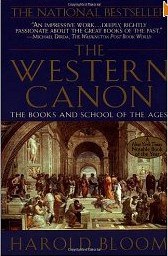
A review of 200 or 300 words cannot do justice to a book like this: it is the summation of a great critic's most fundamental beliefs--something like a dying Bernstein's last performance of Mahler's ninth, though in this case a lot less sad. In fact, this book of essays represents Bloom at his most celebratory, and there's a wonderful, vigorous energy about it. Why, one wonders, reading it, do we bother reading anybody but Shakespeare, Dante, or Chaucer? The argument for Shakespeare is particularly compelling. Bloom believes that Shakespeare is the canon: that he defines for the Western world the standards by which we judge all literature. And more: he defines for us what we are ourselves, what we understand of human nature. This argument, offered with Bloom's customary flare for the controversial, is akin to the remark that all philosophy is a footnote to Plato, and like it, is probably in large measure true. Thus, modern psychology doesn't add very much to what people could have already learned from reading Shakespeare because Shakespeare defines the limits of what we know: we can't get beyond or outside him. Certainly, experience teaches that Bloom is right; indeed, the evolution of human consciousness seems to have taken one of its periodic jolts forward about the time of Shakespeare, and he above all seems to have captured the entire scope of what was new. As Bloom points out, Shakespeare is universally adored, in all languages, and perhaps it is for this reason. The essays on Dante and Chaucer are almost equally powerful, though in a sense less awesome. And the brief remarks about the powerful movements of resentment trying to push apart these great pillars of the Western canon, though perspicacious, are melancholy and incidental. Get this book for the great essays on Shakespeare. For lovers of literature, probably nothing more powerful or in an odd way more religious will be written this year. Stuart Whitwell --This text refers to an out of print or unavailable edition of this title.
作者簡介
哈羅德·布魯姆,1930年齣生於紐約,先後就讀於康奈爾大學和耶魯大學,1955年起在耶魯大學任教。早期研究浪漫主義詩歌,曾齣版過論布萊剋、雪萊、葉芝、斯蒂文斯等英美詩人的專著。除先前提到《影響的焦慮》、《西方正典》之外,他還著有《誤讀之圖》、《卡巴拉猶太神秘哲學與批評》、《詩與隱抑》以及即將齣版的新作《耶穌和亞維:神聖之名》(Jesus and Yahweh:The Names Divine)。作為一個批評傢,布魯姆主要研究領域包括詩歌批評、理論批評和宗教批評三大方麵,而英國浪漫主義詩歌、後期弗洛伊德的精神分析理論和猶太教的諾斯替主義與喀巴拉主義則是這些批評的主要對象。在美國,布魯姆絕對算得上是一個大牌的學者和批評傢。他以其獨特的理論建構和批評實踐被譽為是“西方傳統中最有天賦、最有原創性和最具煽動性的一位文學批評傢”。
目錄資訊
讀後感
《世界文化》06年第几期来着,忘了!不好意思! 片段: 当经典失去了在十九世纪时的那份辉煌与强力,而不再成为人们阅读与关注的中心时,固守着精英主义象牙之塔的布鲁姆显得格外孤立。他因为这种孤立而愤怒,并将这一他认为的“恶果”归咎于“憎恨学派”(布鲁姆用这个名称来...
評分An Elegy for the Canon 开篇先是一篇挽歌,借此表达了对憎恨学派的憎恨。 ------------------------------------------------------------------ Art is perfectly useless, but all bad poetry is sincere. Oscar Wilde. this shall be engraved above every gate at every ...
評分 評分美国学者协会曾对40所大学进行抽样调查,测定20世纪学生文学知识的变化。结果显示:如果把1900年定为100分,1914年一次大战前就是99分,1939年二战前则为73分,1964年越战前降至69分,1993年伊拉克战争后只剩了25分。总之这条曲线一个世纪来持续下落,最近的40年更几乎就是自...
評分2005-11-14 南方都市报 图书诊室 一号对象 《西方正典》中译本 鉴定:此书一方面没有注释,加上译名不规范,很多时候读者都猜不出书里讲的是谁以及是什么书。还有很多一望可知的错漏比前几年出版的文学理论书要多出很多,这与这本书的重要性有些不...
用戶評價
相關圖書















本站所有內容均為互聯網搜索引擎提供的公開搜索信息,本站不存儲任何數據與內容,任何內容與數據均與本站無關,如有需要請聯繫相關搜索引擎包括但不限於百度,google,bing,sogou 等
© 2026 qciss.net All Rights Reserved. 小哈圖書下載中心 版权所有