
具体描述
One of the more commonly and widely held beliefs outside the People’s Republic of China about the changes wrought by the reform era is that there has been no political change The attention of the outside world focuses inevitably on Beijing and national level politics. Nonetheless, it may actually be at the more local levels that changes in politics and the state are most obviously made manifest
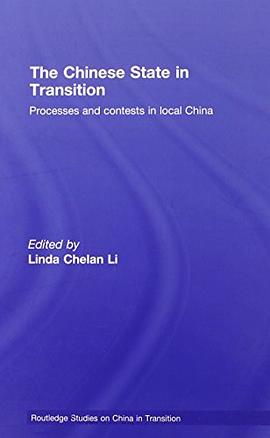
The contributions to this volume clearly and convincingly demonstrate that the state and politics in China have changed considerably since the beginning of the 1980s. An international line up of experts explore the meanings of local initiatives through case studies, assessing their contribution to improving governance, questioning how they can be sustained, and revealing the political nature of normative standards. Each contribution focuses on a different policy area including cultural strategies, housing, land politics, corruption, peasants’ burden and cadre reforms, women and gender, and international relations.
The Chinese State in Transition is an important read for students and scholars of Chinese politics, social and public policy, and governance.
作者简介
Linda Chelan Li is Associate Professor in the Department of Public and Social Administration at the City University of Hong Kong.
Other Contributors:
Louise Edwards is Professor of China Studies at the University of Technology, Sydney, Australia and Convener of the Australian Research Council’s Asia Pacific Futures Research Network. Her most recent book is Gender, Politics and Democracy: Women’s Suffrage in China (Stanford University Press, 2007). Other publications include Men and Women in Qing China (1994, 2001), Censored by Confucius (1996) (with Kam Louie), and three volumes jointly edited with Mina Roces: Women in Asia: Tradition, Modernity and Globalization (2000), Women’s Suffrage in Asia (2004) and The Politics of Dress in Asia and the Americas. Her current research includes an exploration of women and war in China.
Ting Gong is Professor of Political Science at Ramapo College of New Jersey. She has done extensive research on corruption and anti-corruption reform, government ethics, post-communist transformation, and bureaucratic behavior. Publications include The Politics of Corruption in Contemporary China: A Policy Outcome Analysis and many journal articles and book chapters. She was a Fulbright scholar to Hong Kong and has received grants and awards from the National Endowment for the Humanities, American Political Science Association, and American Association of University Women. Her most recent work is an edited volume, Building Clean Government in the Asia-Pacific Region.
David S G Goodman is Professor of Contemporary China Studies at the University of Technology, Sydney. Recent publications include China’s Campaign to ‘Open Up the West’ (2004) and China’s Communist Revolutions (2002) He is just completing a project to examine The New Rich in China. Continuing research projects include a study of women entrepreneurs at county level in contemporary China (with Minglu Chen); and (with Yixu Lu) an investigation of social relations between Chinese and Germans in the German colony of Qingdao, 1897-1914.
You-tien Hsing is Associate Professor of Geography at the University of California at Berkeley. She is the author of Making Capitalism in China: The Taiwan Connection (Oxford, 1998). She is now working on a book on the relationships between land and territorial politics in China’s late-socialist transformation.
James Lee is Associate Professor in Housing Studies at Department of Public and Social Administration, City University of Hong Kong. He obtained his doctorate at the School for Policy Studies at the University of Bristol and is a founder of the Asian Pacific Network of Housing Research. Recent publications include Housing and Social Change: East West Perspectives (Routledge, 2003) and Housing, Home Ownership and Social Change in Hong Kong (Ashgate, 1999).
Linda Chelan Li teaches Chinese politics and political analysis at City University of Hong Kong. Her research covers intergovernmental relations and spatial politics, politics of public finance, and institutional change. She is author of Centre and Province: China. Power as Non-Zero-Sum (Clarendon, 1998) and editor of Towards Responsible Government in East Asia (Routledge, forthcoming). Her article in Political Studies (1997) was awarded the Harrison Prize as the best paper published that year. She is now working on a monograph on rural tax reform and institutional change processes.
Tim Oakes teaches geography at the University of Colorado at Boulder. Recent publications include Travels in Paradox (2006), Translocal China (2006), and The Cultural Geography Reader (2008). He is currently completing a monograph on cultural development in rural China, and compiling an edited volume on tourism and religion in China. His research focuses on regional cultural development and China’s culture industries, and, in particular, tourism development and the cultural theming of space in China.
Chengxin Pan is Lecturer in International Relations at Deakin University, Australia. He received his PhD degree from the Australian National University, and has published in journals such as Alternatives, Pacific Review, and Political Science, as well as several Chinese journals including American Studies Quarterly (Meiguo yanjiu) and The Chinese Journal of International Politics (Guojizhengzhi kexue). His research focuses mainly on Chinese foreign policy, U.S.--China relations, Taiwan, and international relations theory. He is currently working on a book manuscript examining Western representations of China in international relations.
Zhu Ya Peng is Lecturer in Public Policy at the School of Government, and Centre for Public Administration, Sun Yat-Sen University, Guangzhou, China. He completed his undergraduate and graduate education in Guangzhou and Hong Kong, with research focus on housing reform and social policy in China.
目录信息
读后感
用户评价
这本书的力度在于其对中国国家转型过程中权力运作机制的精细解读。作者并非简单地描述政策的制定和执行,而是深入到权力背后的逻辑,探讨了不同政治派别之间的博弈、利益集团的形成以及精英网络在决策过程中的影响力。我对于书中关于中国共产党内部权力交接的分析尤为关注。它揭示了在没有成熟民主机制的情况下,中国共产党如何通过内部协商、改革和调整来确保权力的平稳过渡,并应对潜在的政治风险。这种对权力政治的深刻洞察,让我对中国政治的稳定性和延续性有了更深的理解。它让我意识到,在中国这样一个高度集权的政治体制下,对权力的理解是理解一切的关键。作者通过对历史事件的严谨考证和对政治现象的敏锐捕捉,成功地描绘了一幅复杂而真实的中国政治图景。它帮助我超越了对中国政治的表面观察,看到了其背后更为深层和复杂的动力机制。
评分阅读《The Chinese State in Transition》的过程,是一次充满挑战但也极其 rewarding 的智识之旅。我从未想过,一个国家的转型可以如此复杂和多维。作者的叙述并非线性地讲述一个“国家如何变得更好”的故事,而是呈现了一个充满矛盾、反复和妥协的真实过程。书中对于国家与社会关系的变迁,尤其是市场化改革对传统国家权力结构的冲击,以及国家如何在这种冲击下不断调整自身形态以维持其权威和稳定性的描写,令我印象深刻。我尤其对书中关于地方政府在经济发展中的角色转变,以及中央与地方关系如何随着市场化而重塑的分析感到着迷。它解释了为什么中国能够实现如此快速的经济增长,同时也揭示了这种增长模式下隐藏的挑战,例如区域发展不平衡、环境问题以及社会不公等。作者并没有回避这些问题,而是将其置于国家转型的大背景下进行考察,这使得我对中国的发展道路有了更全面、更深刻的理解。这本书也让我思考,在快速的社会变革中,一个国家的制度韧性是如何被塑造和检验的。它不只是一部关于中国的书,更是一部关于转型期国家如何自我革新和适应的深刻案例研究,具有普遍的借鉴意义。
评分《The Chinese State in Transition》这本书带给我的是一场关于中国政治肌体演变过程的深刻审视,它如同一幅徐徐展开的宏伟画卷,将一个正在经历剧烈变革的庞大国家呈现在我眼前。从宏观的国家结构调整到微观的基层治理细节,作者层层剥茧,深入浅出地揭示了中国共产党在不同历史时期如何重塑国家权力、整合社会资源、并应对内外挑战的复杂历程。我特别被书中关于改革开放初期,国家如何从计划经济向市场经济转型时,所面临的巨大阻力以及党如何巧妙运用各种政策工具来克服这些困难的分析所吸引。它不仅仅是关于政策的罗列,更是关于权力博弈、意识形态调整以及社会共识构建的细致描绘。作者对不同历史阶段的政治决策进行了详尽的考证,并通过大量的史料和案例,让我得以理解那些看似突兀的政策转变背后,所蕴含的深层逻辑和历史必然性。这本书让我认识到,理解当今中国,必须深刻理解其政治体系的演进脉络,而这本书恰恰提供了这样一个宝贵的窗口。它在解释中国为何成为今天的中国,以及未来可能走向何方的问题上,提供了极具说服力的视角。无论是对中国政治体制的制度性分析,还是对中国共产党执政能力的探讨,都展现了作者深厚的学术功底和广阔的视野。
评分《The Chinese State in Transition》让我对“国家”这个概念有了全新的认知。它不再是一个静态的、固化的实体,而是一个动态的、不断演化的有机体。作者深入剖析了在中国共产党领导下,国家机器在不同历史时期如何根据社会经济发展和国际环境的变化,对自身的组织结构、治理模式和意识形态进行调整和重塑。我尤其对书中关于意识形态在国家转型过程中的作用的论述感到惊叹。从毛泽东时代的阶级斗争,到邓小平时代的发展主义,再到新时代强调的“中国特色社会主义”,意识形态的变迁不仅影响了政策的制定,更深刻地塑造了国家的认同和合法性基础。作者通过对这些意识形态话语的梳理和分析,让我看到了一个国家如何在观念层面不断进行自我构建和辩护。这本书也让我意识到,理解中国的政治,必须关注其内在的逻辑和演变,而不是简单地套用西方的政治理论框架。它提供了一种独特的视角,帮助我理解中国政治的“中国性”,以及这种“中国性”是如何在转型中不断被定义和再定义的。
评分《The Chinese State in Transition》为我打开了一扇理解中国经济改革背后政治动力的窗户。我一直对中国经济的快速发展感到好奇,而这本书则深入剖析了经济改革与政治体制改革之间的相互作用。作者并没有将经济改革视为一个孤立的技术性过程,而是将其置于国家转型的大背景下,揭示了政治体制的调整如何为经济的腾飞奠定基础,同时也反过来塑造了政治权力的新格局。我尤其对书中关于市场化改革如何挑战和重塑传统国家部门的权力,以及新的利益集团如何在中国政治舞台上崭露头角的分析感到着迷。它让我明白,经济的增长并非没有代价,而国家的转型也伴随着巨大的挑战和不确定性。这本书的价值在于它提供了一个综合性的视角,将经济、政治和社会变革融为一体,从而更全面地理解中国这个正在剧烈变动的国家。它让我看到,中国的转型是一个系统性的工程,需要政治、经济和社会各个层面的协调一致。
评分从这本书中,我学到了如何理解一个国家如何在适应全球化浪潮的同时,保持其独特的政治传统和国家认同。作者深入探讨了中国在改革开放过程中,如何在全球化的冲击下,既学习借鉴外部经验,又努力维护国家的主权和自主性。我特别关注书中关于中国如何处理与国际社会的关系,以及如何在国际体系中寻找自身定位的论述。它揭示了中国作为一个新兴大国,在追求经济发展的同时,也在不断调整其外交政策和国际战略。这本书让我意识到,理解中国,不能将其孤立于全球背景之外,而要将其置于全球政治经济格局的互动之中进行考察。它提供了一个宝贵的框架,帮助我理解中国在世界舞台上的角色变化,以及这种变化对全球秩序可能带来的影响。它也让我思考,在国家转型过程中,如何平衡国内发展需求与国际责任,这对于任何一个正在崛起的大国来说都是至关重要的课题。
评分《The Chinese State in Transition》展现了作者对中国历史的深刻理解和对政治理论的精湛运用。它并非一本简单的新闻报道或政治评论,而是将历史学、政治学、社会学等多个学科的研究方法融为一体,为读者呈现了一个多层次、多维度的中国国家转型图景。我尤其欣赏书中对不同学术观点的梳理和辩驳,这使得我对中国政治研究的学术前沿有了更清晰的认识。作者在论述中,始终保持着一种审慎的态度,避免了简单化的结论和道德评判,而是力求客观地呈现历史事实和分析逻辑。这种严谨的学术风格,让这本书具有极高的可信度和思想深度。它不仅是一本关于中国的书,更是一部关于国家如何进行自我重塑和适应性发展的思想史。它让我思考,如何在一个复杂的社会系统中,进行有效的治理和政策制定。
评分这本书给我最深刻的启示是,国家转型并非一蹴而就,而是一个充满试错和调整的漫长过程。作者通过对中国不同时期政治和经济政策的细致回顾,展现了国家如何不断地在实践中学习,如何在挑战中调整方向,以及如何在改革中平衡各种利益诉求。我特别对书中关于中国在应对危机和突发事件时,国家治理能力的提升和演变过程的分析感到印象深刻。它让我看到,一个国家的韧性,不仅仅体现在其制度设计上,更体现在其应对挑战和解决问题的实际能力上。这本书也让我意识到,对于任何一个国家来说,持续的自我反思和改革创新是保持活力的关键。它提供了一个关于国家如何从经验中学习,如何在不确定性中前行的深刻案例,对于理解任何一个正在经历变革的国家都具有重要的参考价值。
评分《The Chinese State in Transition》最让我感到震撼的,是它对中国基层社会治理模式的细致描摹。我一直认为,国家的转型最终体现在人民的生活和社会结构的变迁上。作者通过对农村、城市社区以及不同社会群体的深入考察,展现了国家政策在基层如何被解读、执行和反馈,以及基层社会在国家转型过程中所经历的种种挑战和适应。我特别关注书中关于基层干部在执行国家政策时所面临的困境,以及他们如何利用各种策略来应对复杂多变的社会现实。这本书让我意识到,宏大的国家叙事需要落脚于微观的社会实践,而基层社会的活力和韧性,对于国家的稳定和发展至关重要。它也让我看到,转型期的中国,基层社会既是改革的受益者,也面临着诸多新的压力和矛盾。这种对基层治理的深入洞察,使得我对中国社会现实有了更为具体和鲜活的认识。
评分阅读《The Chinese State in Transition》,让我对“中国模式”这个概念有了更具辨识度的理解。它不再是一个模糊的标签,而是通过对中国国家转型过程中具体制度设计、权力运作和政策演变的深入剖析,呈现了一个复杂且充满动态的“中国模式”。作者细致地描绘了中国共产党如何在维护其执政合法性的同时,不断调整和优化其治理策略,以应对经济发展和社会变革带来的挑战。我特别关注书中关于国家在社会动员、资源配置和意识形态控制等方面所采取的策略,以及这些策略如何随着时代的发展而不断演变。它让我明白,“中国模式”的形成和演进,是一个主动适应和自我革新的过程,而非僵化的教条。这本书帮助我超越了对中国模式的简单化解读,看到了其背后的复杂性和多重动力。它也让我思考,一个国家的成功转型,需要政治智慧、战略定力和持续的改革动力。
评分 评分 评分 评分 评分