
具体描述
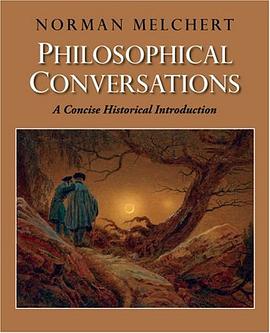
This brief and engaging introductory text treats philosophy as a dramatic and continuous story--a conversation about humankind's deepest and most persistent concerns, in which students are encouraged to participate. Tracing the exchange of ideas between history's key philosophers, Philosophical Conversations: A Concise Historical Introduction demonstrates that while constructing an argument or making a claim, one philosopher almost always has others in mind. The book addresses the fundamental questions of human life: Who are we? What can we know? How should we live? and What sort of reality do we inhabit? Throughout, author Norman Melchert provides a generous selection of excerpts from major philosophical works and makes them more easily understandable with his lucid explanations. Extensive cross-references highlight the organizing themes and show students how philosophers have responded to each other's arguments. A more concise edition of Norman Melchert's The Great Conversation: A Historical Introduction to Philosophy, Fifth Edition, Philosophical Conversations is designed to be especially accessible and visually attractive to first- and second-year college students in introduction to philosophy courses. Enhanced by numerous pedagogical features, it offers: * Shorter and/or simplified presentations of much of the material * A second color that enlivens the text and makes it more visually interesting * An expanded art program featuring more than 100 photographs, illustrations, and cartoons * Classic art at the opening of each chapter * Numerous brief quotations from poets, politicians, and thinkers that underscore philosophical points and stimulate thought * Explanatory footnotes and basic study questions throughout * "Questions for Further Thought" at the end of each chapter * Key terms, boldfaced at their first appearance and collected at the end of each chapter and in a detailed glossary at the back of the book * "Sketches"--which provide glimpses of the ideas of various philosophers not already discussed in detail in the narrative--and "Profiles," which offer more in-depth looks at several thinkers, philosophical schools, and movements including Taoism, Zen, Jean-Paul Sartre, and Iris Murdoch * An Instructor's Manual and Test Bank on CD that highlights essential points and offers numerous exam questions
作者简介
目录信息
读后感
用户评价
老实说,这本书的开篇处理得非常大胆,甚至可以说是有些反传统的。它没有急于建立情感联系,而是直接将读者抛入一个充满术语和复杂关系的场景中。初读之下,我确实感到一丝困惑和不知所措,甚至一度怀疑自己是否拿错了书。然而,正是这种突如其来的“陌生感”,激发了我强烈的探索欲。一旦度过了最初的适应期,你会发现作者用这种方式精准地模拟了“初入新世界”的体验。它要求读者主动去构建意义,而不是被动接受既定信息。这种对读者主体性的尊重和激发,是极其高明的艺术手法。当所有的碎片最终咬合在一起时,那种豁然开朗的愉悦感,远胜于平铺直叙所带来的满足感。这绝对不是给所有人的“轻松读物”,但对于追求深度阅读体验的探索者而言,它无疑是值得反复品味的珍宝。
评分这本书的语言风格极其典雅而富有韵律感,读起来像是在品味陈年的美酒,醇厚而悠长。作者似乎对每一个词汇的选择都倾注了匠心,遣词造句之间,流淌着一种古典的张力与现代的清醒。尤其是一些长句的构建,逻辑严密,结构复杂却不失流畅,读起来有一种音乐般的节奏感,让人忍不住想反复诵读。它避免了当代文学中常见的粗粝和直白,转而采用了一种更为内敛、含蓄的表达方式,很多深刻的哲理和情感都隐藏在字里行间,需要读者带着敬意去细细揣摩。这种对文字的敬畏之心,在这本作品中体现得淋漓尽致。对于那些钟爱文字本身美感,追求语言艺术极致的读者来说,这本书无疑是一场盛宴。
评分这部作品最让我感到震撼的是其对于“时间”这一主题的颠覆性处理。它不像传统小说那样线性叙事,而是将过去、现在和未来编织成一张复杂的网。在阅读过程中,我多次感到自己失去了对“此刻”的明确感知,仿佛被拉入了无数个平行存在的瞬间。作者通过精妙的叙事手法,探讨了记忆的不可靠性以及选择对命运的决定性影响。每当我认为自己理解了某个角色的动机时,一个新的时间切面又会展现出完全不同的可能性,这极大地拓宽了我的思维边界。它不仅仅是在讲述一个故事,更像是在进行一场关于存在本质的哲学实验。这种对时间和现实结构的解构与重塑,使得这部作品具有了超越时空的永恒魅力,令人难以忘怀。
评分这本书的故事情节简直是层层递进,引人入胜。作者对人物内心的刻画细腻入微,每一个角色的动机和挣扎都展现得淋漓尽致。我尤其欣赏它在叙事结构上的创新,时间线的交错使用,让原本简单的故事变得扑朔迷离,需要读者投入极大的注意力去拼凑完整的图景。在某个关键转折点,我几乎是屏住呼吸读完的,那种紧张感和期待感,久久不能平复。它不像某些作品那样急于抛出答案,而是耐心地铺陈,让读者自己去体验和思考。书中的环境描写也极为出色,仿佛能闻到空气中弥漫的尘土味,感受到主角们所处困境的真实重量。这种沉浸式的阅读体验,是近年来少有的佳作。它不仅仅是一个故事,更像是一次对人性幽微之处的深度探访,让人在合上书页后,依然久久回味那些未竟的对话和留白的意境。
评分我必须承认,这本书的阅读难度相当高,它挑战了我作为一名资深读者的认知边界。书中涉及的理论框架和概念深度,明显超出了通俗小说的范畴,更像是一部严谨的学术探讨,只不过披上了一层引人入胜的叙事外衣。我不得不时常停下来,翻阅参考资料,才能跟上作者思维的跳跃和逻辑的延展。这并不是抱怨,而是一种对作者学术功底的由衷赞叹。它迫使我走出舒适区,去接触那些我原本可能望而却步的领域。这种强迫性的自我提升,是阅读一本真正伟大的作品时所能获得的宝贵财富。它不是用来消磨时间的娱乐,而是用来重塑世界观的工具。那些试图快速浏览的读者可能会错过其中的精髓,这本书需要全身心的投入和持续的智力耕耘。
评分 评分 评分 评分 评分