
具体描述
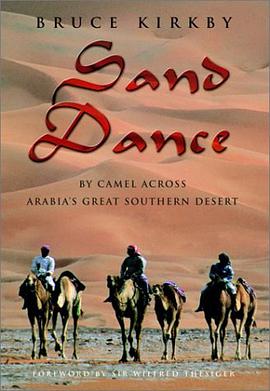
For forty days and forty nights during the winter of 1999, three Canadians, Bruce Kirkby, Jamie Clarke, and Leigh Clarke, along with three Omani Bedu, travelled by camel across Arabia’s great southern desert – the legendary Empty Quarter. Journeying from Salala in Oman on the Arabian Sea, they headed north and east for 1,200 kilometres across remote and largely unexplored desert wilderness, where ranges of sand dunes tower to over three hundred metres in height. When they finally reached Abu Dhabi on the Persian Gulf, they were received as heroes. Theirs was the first camel crossing of the Empty Quarter in over fifty years.
The expedition had historic roots, since the team sought to retrace for the first time the original 1947 crossing by world-famous explorer and adventurer Sir Wilfred Thesiger. In the years since Sir Wilfred’s journey, Arabia and the Bedu have faced enormous upheaval. The discovery of oil precipitated rapid and irreversible changes to a nomadic society that had existed in relative isolation since the time of Mohammed. Travelling with their three Bedu companions, the team was afforded a rare glimpse of how these changes have affected the last of the Arabian nomads.
During the desert crossing the team was determined to travel and live as authentically as possible, on camels, taking Arabic names and wearing traditional clothing, drinking their water from rank goatskins and eating mainly unleavened bread and dried camel meat. The cultural insights they were afforded are constantly fascinating – but so are the cultural clashes, since the party was often followed by Land Cruisers full of well-meaning supporters who threatened to destroy the spirit of the journey.
The expedition was also full of adventure and incident – such as a hundred-foot descent down a narrow, snake-infested well, a three-day sandstorm, the sting of a desert scorpion, and the challenge of living with inescapable heat and nagging dehydration.
The Empty Quarter Traverse received considerable media coverage, both nationally and internationally. In nineteen countries around the world, 22,000 school children enrolled in the team’s Internet education program, and 4.8 million people visited the expedition Web site. The trek was reported widely and was the subject of a feature story on the CBC National and a front-page colour photo story in the National Post .
Now Bruce Kirkby has written a thoughtful and deeply felt account of this challenging expedition – and has illustrated it with twenty-four pages of his stunning colour photographs. Anyone interested in remote areas of the world or stirred by the romance of old-fashioned adventure and daring will find Sand Dance constantly engaging.
作者简介
目录信息
读后感
用户评价
从文学技巧的角度来看,这部作品简直是一场教科书级别的语言魔术表演。作者似乎摒弃了所有传统叙事中的窠臼,采用了大量破碎的、非线性的叙事片段,将不同的时间点和空间场景进行快速切换,这种手法初看之下颇有挑战性,但一旦适应了这种节奏,便能体会到它带来的巨大冲击力。它不是用清晰的地图引导你,而是扔给你一堆精美的、被打碎的马赛克,让你自己去拼凑出那幅宏大的图景。人物的内心独白常常被截断,留白之处远比填满的文字多得多,这种“无声胜有声”的表达方式,迫使读者必须调动全部的想象力去填补那些情感的鸿沟。我必须承认,在阅读过程中,我至少有三次停下来,翻回去重读同一段落,试图捕捉到作者隐藏在词语排列背后的某种韵律或暗喻。那些关于光影、关于声音、关于气味的描述,极具感官穿透力,仿佛作者用一种近乎于通感的写作方式,将读者的五感全部激活。这是一种非常成熟且大胆的写作尝试,它毫不妥协地要求读者付出专注和思考,回报的则是一次对阅读体验的颠覆。它不是那种可以一边听着播客一边阅读的消遣之作,它需要你全神贯注地,如同解谜一般去深入其中。
评分这本书的叙事节奏把握得如同沙漠中游牧民族的步伐,时而舒缓悠长,带着对广袤天地的敬畏与沉思,时而又急促有力,仿佛一场突如其来的沙暴席卷而来,让人喘不过气。作者对环境的描摹简直达到了令人发指的程度,每一个词语似乎都携带着风中的沙砾和炙热的阳光。我能清晰地感受到皮肤上的刺痛和嘴唇干裂的焦渴,那种身临其境的沉浸感,让我不得不放下书,去饮一杯水,再重新投入到那片虚构却又真实得可怕的土地上。故事的主线人物在面对生存的极端考验时所展现出的韧性与挣扎,触动了我内心深处最原始的对于“活着”的理解。与其说这是一部小说,不如说它是一部关于人类精神极限的田野调查报告,只不过是以文学的形式呈现。那些错综复杂的人物关系,如同沙漠中看不见的地下水脉,看似松散,实则紧密地维系着整个故事的生态平衡。我尤其欣赏作者在处理历史与现实交织时的那种微妙平衡,没有刻意的说教,一切都自然而然地融入了角色的命运之中,留给读者无限的解读空间。整部作品的底色是苍凉的,但苍凉中又孕育着一种坚韧不拔的生命力,读完之后,我的心胸似乎都被那片无垠的沙海拓宽了,对日常生活的琐碎有了全新的审视角度。
评分这本书最让我感到震撼的是它对于“信仰”与“迷失”这两个主题近乎冷酷的解剖。它没有简单地将主角塑造成一个英雄或一个受害者,而是将他们置于一个道德模糊的地带,让他们在极端的生存压力下做出那些在文明社会中不可想象的选择。这种对人性的深刻挖掘,让人感到既恐惧又着迷。作者似乎在不断地发问:当所有的外部约束都被剥离,剩下的人类还剩下什么?是动物性的本能,还是某种更深层次、无法被磨灭的精神内核?故事中的几次高潮,并非是传统的冲突爆发,而是角色在内心对自身价值观进行彻底颠覆或重塑的瞬间,那些沉默的对峙,比任何武力冲突都来得更为激烈。特别是关于传承与背叛的那条支线,处理得极其克制和精妙,没有廉价的煽情,一切都蕴含在人物的眼神和不经意的动作之中。读毕后,我发现自己久久无法从那种对存在意义的追问中抽离出来,它迫使我直面自身在面对抉择时的脆弱性。这绝不是一部能带来轻松愉悦的读物,但它带来的思想上的涤荡,是无价的。
评分这部作品的文学气质非常独特,它仿佛融合了古典史诗的磅礴气势与现代主义文学的疏离感。我特别留意到作者对于声音的运用——或说对“寂静”的描绘。在那样一个几乎被风声和沙子吞噬的环境中,作者成功地将“听不见声音”本身变成了一种巨大的、压迫性的存在。人物之间的对话往往简短而精准,充满了未尽之意,很多重要的信息是通过对周围环境声响的捕捉来传达的,比如远方传来的模糊号角声,或是夜间帐篷内木头燃烧发出的微弱噼啪声。这些听觉上的细节,极大地增强了故事的真实感和戏剧张力。此外,书中对服饰、工具、饮食等物质文化的描写也极其考究,绝非简单的背景填充,而是成为了推动情节发展和揭示角色阶层与心理状态的重要线索。总而言之,这是一部需要被“体验”而非仅仅被“阅读”的书籍,它不仅仅讲述了一个故事,它为你构建了一个可以呼吸、可以感受温度的完整世界,留下的回味悠长且复杂,绝非肤浅的消遣之作。
评分如果用一个词来形容阅读这本书的感受,那可能是“粘稠”。故事的推进速度并非线性的快或慢,而是感觉上充满了阻力,就像试图穿过浓稠的焦油或是被某种无形的力量缓慢地拖拽着向前。作者似乎故意在叙事中制造了大量的重复与循环,这在初读时可能会引起一些读者的不耐烦,但我后来体会到,这种结构恰恰是模拟了沙漠中生活那种永恒的、似乎没有尽头的往复。每一章的结尾都像是一个被打破的句号,你以为故事要走向某个明确的方向,下一章却又回到了相似的困境,但每一次的“相似”之中,又潜藏着微小却至关重要的变化。这种精妙的结构设计,展现了作者对叙事控制力的绝对自信。它不是那种一气呵成的畅快阅读体验,而更像是在反复品味一种复杂的、层次丰富的陈年佳酿,需要时间去让其味道在舌尖上慢慢散开。那些看似无关紧要的细节,比如某件旧物的描述,或某句古老的谚语,都在后来的情节中起到了关键性的作用,显示出作者布局之宏大与细密。
评分 评分 评分 评分 评分