具体描述
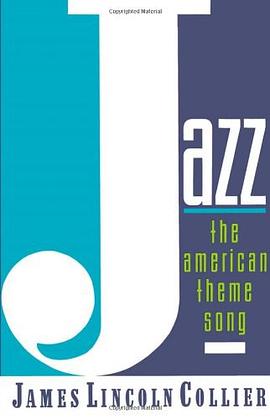
The companion volume to the ten-part PBS TV series by the team responsible for
The Civil War and Baseball .
Continuing in the tradition of their critically acclaimed works, Geoffrey C. Ward and Ken Burns vividly bring to life the story of the quintessential American music—jazz. Born in the black community of turn-of-the-century New Orleans but played from the beginning by musicians of every color, jazz celebrates all Americans at their best.
Here are the stories of the extraordinary men and women who made the music: Louis Armstrong, the fatherless waif whose unrivaled genius helped turn jazz into a soloist's art and influenced every singer, every instrumentalist who came after him; Duke Ellington, the pampered son of middle-class parents who turned a whole orchestra into his personal instrument, wrote nearly two thousand pieces for it, and captured more of American life than any other composer. Bix Beiderbecke, the doomed cornet prodigy who showed white musicians that they too could make an important contribution to the music; Benny Goodman, the immigrants' son who learned the clarinet to help feed his family, but who grew up to teach a whole country how to dance; Billie Holiday, whose distinctive style routinely transformed mediocre music into great art; Charlie Parker, who helped lead a musical revolution, only to destroy himself at thirty-four; and Miles Davis, whose search for fresh ways to sound made him the most influential jazz musician of his generation, and then led him to abandon jazz altogether. Buddy Bolden, Jelly Roll Morton, Dizzy Gillespie, Art Tatum, Count Basie, Dave Brubeck, Artie Shaw, and Ella Fitzgerald are all here; so are Sidney Bechet, Coleman Hawkins, Lester Young, John Coltrane, Ornette Coleman, and a host of others.
But Jazz is more than mere biography. The history of the music echoes the history of twentieth-century America. Jazz provided the background for the giddy era that F. Scott Fitzgerald called the Jazz Age. The irresistible pulse of big-band swing lifted the spirits and boosted American morale during the Great Depression and World War II. The virtuosic, demanding style called bebop mirrored the stepped-up pace and dislocation that came with peace. During the Cold War era, jazz served as a propaganda weapon—and forged links with the burgeoning counterculture. The story of jazz encompasses the story of American courtship and show business; the epic growth of great cities—New Orleans and Chicago, Kansas City and New York—and the struggle for civil rights and simple justice that continues into the new millennium.
Visually stunning, with more than five hundred photographs, some never before published, this book, like the music it chronicles, is an exploration—and a celebration—of the American experiment.
From the Hardcover edition.
作者简介
目录信息
读后感
用户评价
最让我感到惊喜的是,这本书不仅仅关注“听觉”上的内容,它还深入探讨了爵士乐与美国社会文化、种族历史交织的复杂脉络。作者毫不回避地揭示了这种艺术形式如何在隔离、贫困和反抗中孕育而生,以及它如何成为一种强大的文化表达工具。这种社会学视角的引入,极大地拓宽了我对爵士乐的理解边界。我原本以为这只是一本关于音乐风格和技巧的书,但它实际上提供了一扇观察二十世纪美国社会变迁的独特窗口。例如,书中对新奥尔良早期场景的描绘,以及芝加哥和纽约的两次重要迁移,都与当时美国社会经济和政治环境的变化紧密挂钩。通过这些历史背景的铺陈,我开始明白为什么某些旋律会带着那样深沉的忧郁,或者为什么某些节奏会充满那么强烈的反叛精神。它让“听音乐”的行为,升华为一种对历史和人性的深度反思。
评分这本书简直是音乐的百科全书,我花了整整一个下午才把它读完,感觉脑子里装满了各种旋律和节奏的知识。作者对不同时期爵士乐的流派演变梳理得极其清晰,从早期的布鲁斯根源到摇摆乐的兴盛,再到比波普的复杂和声,每一个阶段的代表人物和标志性作品都信手拈来,仿佛带着我穿越了整个二十世纪的音乐现场。特别是关于“即兴”这一核心概念的探讨,简直是点睛之笔,让我这个业余爱好者对那些看似随心所欲的乐句背后蕴含的深厚功力和理论基础有了全新的认识。书中对乐器配置的描述也十分到位,小号、萨克斯、钢琴、贝斯和鼓是如何在合奏中相互对话、彼此烘托的,读起来画面感十足,甚至能“听”到那些错综复杂的对位。我特别喜欢它收录的那些罕见的老唱片信息和录音细节,这对于想深入研究特定演奏家风格的读者来说,简直是无价之宝。这本书的深度和广度都远超一般音乐入门读物,它不是在教你如何演奏,而是在教你如何“理解”爵士乐的灵魂。读完后,再听任何一张爵士唱片,都会带着一种全新的、更加敬畏的眼光。
评分我得说,这本书的叙事方式实在是太个人化了,简直就像是作者在咖啡馆里跟你面对面聊他一生的挚爱。它没有那种教科书式的冰冷和抽离,而是充满了激情和强烈的个人情感色彩。作者对某些“被低估”的音乐家抱有一种近乎偏执的推崇,花了大篇幅去挖掘他们被主流历史遗漏的贡献,这一点我非常欣赏。书里用了大量的比喻和文学化的语言来描述那些音乐片段——比如,将某一和弦转换比作“黎明时分第一缕阳光穿透浓雾”,将鼓手的切分音比作“心脏在不规则却稳定的跳动”。这种非传统的描述方法,让那些晦涩的音乐理论变得生动有趣,甚至有点诗意。虽然有些地方的个人观点过于强烈,可能会让追求纯粹客观性的读者感到不适,但我个人觉得,正是这种真诚的热爱,赋予了这本书独特的魅力。它更像是一份私人藏宝图,指引你去发现那些真正触动人心的声音,而不是一份官方的乐谱解读。
评分这本书的结构布局显得有些松散,不像是一个线性发展的叙事,更像是一系列高水平的、相互独立的研究论文汇编在一起。开篇部分对流派的划分还算清晰,但进入中段后,话题跳跃性很大,一会儿深入分析某位钢琴家的和弦色彩,下一页可能就突然转到了对某张专辑封面设计的哲学探讨。这种不拘一格的写作方式,对于那些已经对爵士乐有一定了解的读者来说,或许能提供一些意想不到的知识碰撞点,但对于初学者来说,可能会感到有些不知所措,难以建立起一个连贯的知识框架。它更适合作为工具书或灵感来源,在你已经有了基础认知后,用来查漏补缺或寻找新的研究方向。如果期望它能像一本小说那样,平顺地引导你从A点走到Z点,那么这本书恐怕会让你失望,它的价值在于那些闪烁的、不期而遇的深刻洞见。
评分这本书的排版和装帧设计,说实话,有点让人摸不着头脑。它试图走一种极简主义的路线,但最终效果却显得有些混乱。内页的字体选择和行距调整似乎没有经过细致的考量,有时候长篇大论的分析段落挤在一起,读起来非常费力,眼睛需要不断地在文字中“跳跃”来寻找逻辑断点。而且,虽然文字内容本身的信息量巨大,但缺乏足够的视觉辅助来支撑这些复杂的概念。比如,提到一个非常复杂的和弦进行时,如果能配上一张清晰的乐谱示意图,哪怕只是一个简单的和弦图示,都会让理解过程顺畅许多。现在的阅读体验更像是纯粹的文字灌输,读者需要自己在大脑中构建所有的音乐结构,这对非专业人士来说是一个不小的挑战。我感觉作者可能更侧重于文字表达的流畅性,而忽略了作为一本实体书的阅读体验优化,希望未来的再版能在这方面有所改进,让知识的传递更加直观有效。
评分 评分 评分 评分 评分