
具体描述
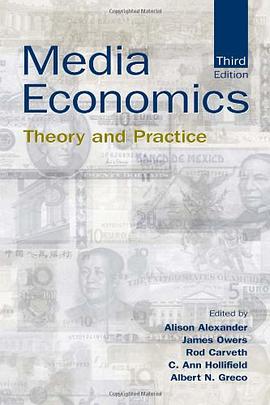
Media Economics: Theory and Practice focuses on the basic principles of economics in the business sector and applies them to contemporary media industries. This text examines the process of media economics decision making through an exploration of key topics, such as industrial restructuring, regulatory constraints upon media operations, and changing economic value, providing key insights into media business activities. With the structure and value of media industries changing rapidly and sometimes dramatically, this text moves beyond a basic documentation of historical patterns to help readers understand the mechanics of change, offering insight into the processes reproducing contemporary trends in media economics. Thoroughly updated in this third edition, Media Economics focuses on the primary concerns of media economics, the techniques of economic and business analysis, and the overall characteristics of the media environment; and explores contemporary business practices within specific media industries, including newspaper, magazine, television, cable, movie, radio advertising, music, and online industries. New for this edition are chapters on the advertising, book publishing, and magazine publishing industries. Chapters contributed by expert scholars and researchers provide substantial discussions of the crucial topics and issues in the media industry sectors, and emphasize both domestic and international businesses. Offering a thorough examination of the economic factors and forces concerning the media industries, Media Economics is appropriate for use as a course text for advanced media management and economics students. It also serves as an indispensable reference for scholars and researchers in media business arenas.
作者简介
目录信息
读后感
用户评价
这本书的宏大叙事能力非常出色,它成功地将全球化的视角和微观的个体决策联系起来。我尤其喜欢它在探讨媒体的社会责任与盈利压力之间的永恒张力时所展现出的平衡感。它没有陷入道德说教,而是将其视为一种成本结构和风险管理问题。例如,关于“假新闻”的经济学分析部分,它从信息生产的低边际成本和传播的病毒式效应入手,解释了为什么错误信息会比真相更容易在某些经济环境下泛滥。这种非情感化的分析方法,反而让我对这个棘手的社会问题有了更冷静的认识。它展示了,在某些经济激励机制下,次优的结果(例如虚假信息传播)往往是局部最优选择的集合效应,这种洞察力是其他更侧重于社会学或政治学的著作所不具备的。
评分我个人对这本书的观感是,它更像是一份深入且略带批判性的行业解剖报告,而不是一本教科书式的入门指南。它的语言风格偏向学术探讨,行文严谨,数据引用扎实,对于那些习惯了快餐式阅读的读者来说,可能需要更高的专注度。我记得其中一章详细对比了付费墙策略在不同内容垂直领域的成功率差异,分析得极其细致,涉及到用户对特定类型信息的需求弹性、替代品的可得性等多个经济学变量。这种深入的、非线性的分析方式,迫使读者去思考“为什么是这样”,而不是仅仅接受“事实如此”。对于我这种已经从业几年的人来说,这本书的价值在于它提供了一种可以用来检验和修正自己行业直觉的理论工具。它没有提供简单的“成功秘诀”,而是揭示了驱动这些“秘诀”的更深层力量,那种感觉就像是拿到了一张详细的、高分辨率的行业地图。
评分从阅读体验上讲,这本书的结构组织非常巧妙,它没有按照媒体类型(电视、广播、网络)来划分,而是围绕着价值链的各个环节——内容创造、发行渠道、用户变现——进行逻辑推进。这种组织方式使得读者能够跨越不同媒体的表象,直击它们共同的经济内核。例如,关于广告定价模型的那一章,作者对比了展示广告、原生广告和订阅收入的生命周期和边际收益,这种横向的比较分析极大地拓宽了我的视野。它让我认识到,无论技术如何迭代,媒体经济学的核心挑战——如何将稀缺的注意力转化为可交换的价值——始终存在,只是承载价值的“容器”变了。对于希望建立一套系统性知识体系的读者来说,这本书提供的结构性优势是无可替代的,它像一把骨架,支撑起了我对整个行业复杂性的理解。
评分这本《媒体经济学》读起来,给我一种非常扎实的基础感,它不像市面上很多同类书籍那样浮于表面,只是简单罗列一些经济学概念在媒体行业的应用。这本书真正深入挖掘了媒体产业的底层逻辑,比如不同媒体形态(从传统报纸到新兴数字平台)在信息生产、分发和变现上的核心差异。作者在分析商业模式时,非常注重历史演变和技术驱动的作用,这让整个论述显得非常具有说服力。我特别欣赏其中关于“注意力经济”的章节,它没有停留在老生常谈,而是用一系列精彩的案例剖析了算法推荐机制如何重塑内容价值和用户行为,这对于理解我们当前所处的媒体环境至关重要。读完这部分,我感觉自己对为什么某些内容能爆火,而另一些却无人问津有了更清晰的认识,这不仅仅是内容好坏的问题,更是一个复杂的系统工程。对于任何想进入媒体、广告或技术内容领域的人来说,这本书提供的分析框架是无价的。它提供的不仅仅是知识,更是一种看透现象背后的经济驱动力的思维方式。
评分说实话,这本书的某些章节读起来有些晦涩,尤其是在讨论垄断竞争和信息不对称性时,作者似乎默认读者对微观经济学的理论基础有相当的了解。不过,一旦跨过这个门槛,你会发现它对媒体市场结构变迁的洞察力是极其敏锐的。我印象最深的是对“平台权力”的论述,作者没有简单地将流媒体巨头视为纯粹的创新者,而是用市场集中度的指标和进入壁垒的分析,清晰地描绘出它们如何通过数据和网络效应建立起难以撼动的护城河。这让我对未来内容制作方与分发平台之间的权力博弈有了更深层次的理解。这本书的价值在于,它将抽象的经济模型具象化到了我们每天接触的App和网站上,让人真正体会到,我们消费的每一条信息背后,都隐藏着精密的经济算计。
评分 评分 评分 评分 评分