
具体描述
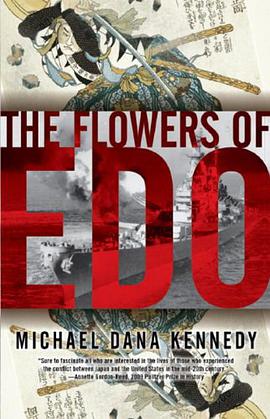
Kenji Kobayashi is a decorated intelligence officer during World War II. Recently assigned to a battleship in the Pacific, Kenji fears that he may no longer see Japan again. Worried that his twin brother Tomoyuki may have fallen during a battle in the South Pacific, he briefly prays to a makeshift alter he has created in the cramped officers cabin he has been secretly stowed into. Only a handful of officers and military brass are aware he is on this ship, so his prayers, like his actions, may not ever go noticed. Still he clutches a prayer amulet given to him by his mother in his hand as smoke from a stick of incensesurrounds him hoping to someday be reunited with them all; either in this life or at a burial plot in the Imperial Military shrine Yasukuni Jingu.
Preparing himself for a briefing with the ship's captain, he quickly begins to dress himself. Materials are scarce everywhere now, and he is wearing a suit previously worn by a fallen soldier. It is loose on his small frame, even though Kobayashi is exceptionally tall for a Japanese officer. Once dressed, he arms himself leaving his small sword behind, while holstering his pistol.
With a knock on the cabin door, he is then quickly and stealthily lead away to the ship's war room. His presence brings a once loud and smoke-filled room to a complete standstill. The response he receives is frigid at best, almost hostile. Clearly this officer is not welcomed here. Intelligence, or not, he is not going to make the acquaintance of most in the room, nor does he want to. The captain, however approves, and calls him into his quarters to meet with a other officers of high rank to plan their attack and potential invasion...of Japan.
Lt. Kobayashi is now face to face with an Admiral in the US Navy on board USS Missouri! He is not only the guest of honor for this meeting at sea, the intelligence he has gathered while living in Japan and in campaigns across Asia is partially why the brass are welcoming him this evening. Operation Downfall is about to commence and the fate of hundreds of thousands of soldiers from Britain, Australia, China and the U.S. hang in the balance as the Allies attempt to engage on the largest land invasion in history!
"It is a gripping, historical novel focused on the final months of WWII, with an authentic Japanese setting and an intriguing plot. Both entertaining and educational--a delightful adventure and experience!" --Admiral James. R. Hogg, Naval Commander Seventh Fleet (retired)
"The Flowers of Edo is an imaginative account of Japan's final days of World War II as seen through the eyes of Ken Kobayashi...from the Philippines to Japan in a complex plot whose twists and turns produce a fast-paced drama filled with the larger-then-life personalities of the time, large doses of Japanese history and culture, and a surprising conclusion." -- Edward J. Drea Ph.D author of Japan's Imperial Army.
"The author's detailed research gives authenticity to the narrative, making the story very believable indeed. Should be enjoyed by younger generations as well as those of us who lived through the Pacific War." --Linda Goetz Holmes, Pacific War Historian, author of Under the Rising Sun.
作者简介
目录信息
读后感
用户评价
说实话,我原本以为这会是一本偏向学术性的专业书籍,但翻开后才发现它的可读性远超预期。它的结构设计非常人性化,从宏观的城市景观中的花卉应用,过渡到微观的特定花卉的栽培技术和历史变迁,层次感分明。最让我惊喜的是,书中穿插的那些关于江户市民日常生活与花卉互动的逸闻趣事。比如,某个时期流行种植某种稀有品种的记录,或者普通百姓如何在狭小的阳台上创造出自己的“花之世界”,这些生动的小故事,让冰冷的知识点瞬间变得鲜活起来。这种叙事手法极大地降低了阅读门槛,使得对园艺史不太了解的读者也能轻松跟进。而且,作者在处理不同主题之间的衔接时,过渡自然得如同溪水流淌,毫无生硬之感,体现了极高的文本驾驭能力。它成功地架起了一座桥梁,连接了专业研究与大众兴趣。
评分这部作品展现出一种令人赞叹的跨学科整合能力。它不仅仅关注花卉本身,还将植物学知识巧妙地融入到江户时代的经济活动、贸易路线乃至气候变迁的研究之中。我发现书中对不同花卉品种的“地理起源”和“贸易路径”的追溯尤为精彩,这让我看到了江户时代对外交流的另一面——植物的全球化进程。作者引用的数据和图表都经过了细致的整理和可视化处理,非常清晰易懂,即便是复杂的统计信息,也能被转化为直观的认知。这种严谨的学术态度与生动的案例分析相结合,使得全书的论证力量非常强大,让人不得不信服。阅读这本书,就像是跟随一位经验丰富的导游,穿梭在历史的迷宫中,每走一步都有新的发现和深刻的见解,它提供的知识密度相当高,但又通过精妙的安排,避免了信息过载。
评分初读此书,我最大的感受是其文本的叙事张力,它以一种近乎小说的笔触,勾勒出江户时代园艺文化兴盛的社会背景。作者没有停留在简单的物种介绍,而是深入挖掘了特定花卉如何在武士阶层、町人文化中扮演的角色,以及它们所承载的社会象征意义。例如,关于菊花的章节,它如何从宫廷走向民间,成为文人雅士彰显品格的载体,论述得鞭辟入里,逻辑清晰。行文风格非常流畅,用词典雅而不失现代读者的亲近感,阅读过程非常愉悦,几乎没有产生任何阅读障碍。我尤其欣赏作者在引用史料和文学作品片段时的精准度,这些旁征博引让内容更加立体丰满,不再是干巴巴的学术论述,而是有血有肉的历史切片。这本书无疑拓宽了我对江户文化广度的认知,它让我意识到,即使是看似微不足道的花草,也能折射出整个时代的风貌与精神追求。
评分这本关于江户时代花卉的书简直是视觉的盛宴,色彩的交响曲!我完全沉浸在那些细腻的描绘之中,仿佛能闻到空气中弥漫着的牡丹、山茶和鸢尾的芬芳。作者对植物形态的观察入木三分,每一笔线条都充满了对自然的敬畏与热爱。尤其是那些关于浮世绘中花卉主题的探讨,让我对那个时代的审美情趣有了更深层次的理解。我特别喜欢其中收录的那些罕见的植物插图,有些花卉我只在古籍中见过,能看到如此精美的复刻版本,实在是一种享受。装帧设计也十分考究,纸张的质感和印刷的精度都体现了对细节的极致追求,捧在手里就能感受到一种沉甸甸的历史厚重感。它不仅仅是一本植物图鉴,更像是一部结合了艺术史与园艺学的跨界杰作,强烈推荐给所有热爱日本传统文化和精细艺术品的朋友们。这本书的排版布局也极为巧妙,留白的处理恰到好处,让每一幅图都有足够的空间“呼吸”,不会让人感到拥挤或压迫。
评分这本书给我的整体感觉是宁静而深远的,它仿佛邀请读者暂时放下现代生活的喧嚣,去感受一种古老的、缓慢的、注重细节的美学。我特别欣赏作者对“侘寂”美学在花卉布置中体现的探讨,那种不求完美、接纳残缺的艺术理念,通过对特定花卉形态的描述得到了完美的诠释。语言上,作者采用了大量的对比手法,将江户初期与后期的园艺风格变化进行了对比,使得历史的演进脉络清晰可见。阅读过程中,我多次停下来,反思现代社会对“美”的片面追求,这本书提供了一种极佳的参照系,让我们重新审视自然之物的价值。它不以炫耀性的篇幅来展示昂贵的藏品,而是着重于普通人对美的日常实践,这种谦逊的姿态,恰恰是本书最动人之处。这是一次精神上的洗礼,让人在欣赏花卉的同时,也反思了生活的态度。
评分 评分 评分 评分 评分