
具体描述
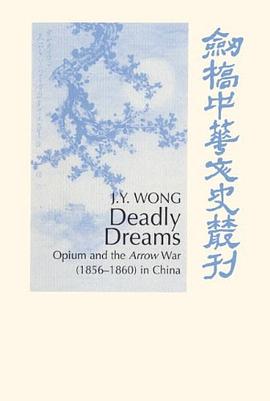
Many have accepted that the Arrow War (1856-60) was caused by an insult to the British flag belonging to the pirate boat Arrow. Dr. Wong argues that Britain's reliance on the opium trade with China played a far greater role in pushing the diplomatic conflict into war. The war was not a simple diplomatic squabble: it involved vital economic interests in British India, which had to be protected at all costs. Dr. Wong offers penetrating insights into theories of imperialism and how they might be reassessed.
• New interpretations of Chinese foreign policy and of British expansion in the nineteenth century; new interpretation of annexation of Sind in India • Revisionist take on the ‘imperialism of free trade’ theory • New light on British, Indian, and Chinese economy, mid-nineteenth century
Contents
Part I. The Confusion of Imperialism: 1. An attempt to peel the onion of confusion; Part II. The Pretext for Imperialism: 2. An international incident: 'that wretched question of the Arrow'; Part III. The Personalities of Imperialism: 3. Harry Parkes: 'if you would read a little international law.' - Punch; 4. Sir John Bowring: possessed by a monomania; 5. Commissioner Yeh: a 'monster'?; 6. Rule, Britannia and vox populi, vox Dei; Part IV. The Rhetoric of Imperialism: 7. Marx, Punch, and a political press: the debate among the British newspapers; 8. The Arrow incident and international law: the debate in the House of Lords; 9. Triumph of the liberal conscience: the debate in the House of Commons; 10. 'Johnny is on his knees': the 'Chinese Election'; Part V. The Mechanics of Imperialism: 11. Behind the scenes: the diplomacy of imperialism; 12. Behind the scenes: the politics of imperialism; 13. In the wings: the lobbies of imperialism; Part VI. The Economics of Imperialism: 14. Anglo-Chinese trade: the Chinese should buy more; 15. China's maritime trade: the Chinese could buy more; 16. The problem of India: the Chinese should and could buy more; 17. The balance sheet: the Chinese are now buying more; Part VII. The Dynamics of Imperialism: 18. Conclusion.
Reviews
‘… an exhaustively researched and thoroughly documented study that unravels British and Chinese intentions, perceptions, and reactions, their diplomatic and economic agendas, the impact of personalities, popular opinion, and (in the case of Britain) the press, as well as the roles which other powers played. Deadly Dreams should be required reading for historians of modern China, modern imperialism, and modern India.’ Economic History Review
‘The book is a tour de force of evidence and argument … Wong’s book has without doubt, now become the standard work on the Arrow war and will certainly become mandatory reading for students of Chinese and British imperial history … this excellent study is indispensable to all future research on Ottoman economic history.’ Journal of Asiatic Studies
‘Wong’s Deadly Dreams is a masterly piece of research which will set standards for years to come. Wong offers what could be described as an updated version of histoire totale, which starts from the evenementielle and moves towards the larger structures of the global economy. Wong’s book is in some respects reminiscent of Braudel’s Mediterranean, with its exciting mixture of in-depth study of the ‘world system’ of the British empire, and detective-like attention for individuals and details.’ The Historical Journal
‘J. Y. Wong, in this excellent account that left no record unturned, has come out with the clearest statement on why, all said, that war might yet be simply described as the result of opium trading.’ Journal of Oriental Studies
‘Wong’s monumental study and the industry over many years it represents must command respect. it is unlikely that anyone will produce a more comprehensive investigation of the Arrow War or trawl so painstakingly through the awesome mass of sources.’ Journal of Imperial and Commonwealth History
"Everyone who wants to understand the connection between internal politics, diplomacy, strategy and economics should read this book." Military Review
作者简介
目录信息
Title 7
Copyright 8
Dedication 9
Contents 11
List of Tables 13
List of Figures 17
Poem by the late Mr Qin Esheng 19
Foreword by Professor Wang Gungwu 21
Foreword by Professor C. A. Bayly 23
Preface 25
I The confusion of imperialism 33
1 An attempt to peel the onion of confusion 35
I. The confusing events 35
II. The bewildering issues 40
III. Current scholarship 44
IV. The search for information 48
V. Technology and imperial decision making 54
VI. My approach 56
VII. Economic causation versus strategic interpretation 60
VIII. Contrasts with established views 63
IX. In sum 71
II The pretext for imperialism 73
2 An international incident: 'That wretched question of the Arrow 75
I. The history of the arrow 75
II. How the evidence of both sides was taken 77
III. An assessment of the evidence on both sides 82
IV. Why give false evidence? 88
V. The law lords: was the british flag flying? 92
VI. In sum 94
III The personalities of imperialism 99
3 Harry Parkes: 'If you would read a little international law.' 101
I. Introduction 101
II. Parkes's manipulation of bowring 102
III. Escalating demands 106
IV. Leading the royal navy on 107
V. The house of lords on parkes's conduct 112
VI. In sum 114
4 Sir John Bowring: Possessed by a monomania 116
I. Why was bowring led on by his young consul? 116
II. The arrow incident and the canton city question 119
III. The canton city question and an undeclared war 127
IV. The tables turned 129
V. The house of lords on bowring's conduct 135
VI. The canton city question in the eyes of their lordships 137
VII. In sum 140
5 Commissioner Yeh: A 'monster'? 141
I. Introduction 141
II. Yell's handling of the arrow incident 143
III. The canton city question: the early phase 146
IV. The canton city question: the diplomatic coup of 1849 150
V. The canton city question: the trojan horse 153
VI. A real monster? 159
6 Rule, Britannia and vox populi, vox Dei 160
I. Introduction 160
II. Popular xenophobia or protonationalism? 160
III. Patriotism or sedition? 164
IV. Popular xenophobia? civis romanus sum 166
V. Official xenophobia? rule britannia 172
VI. In sum 180
IV The rhetoric of imperialism 183
7 Marx, Punch, and a political press: The debate among the British newspapers 185
I. Peace or war: the times 185
II. The tirade against yeh: the morning post 188
III. The eulogies for yeh: the daily news et al. 191
IV. 'About the english of it: punch 193
V. Marx on the arrow quarrel: the new york daily tribune 197
VI. A political press 199
VII. In sum: no watergate 205
8 The Arrow incident and international law: The debate in the House of Lords 206
I. Was an insult intended? 207
II. Was the arrow entitled to fly the british flag ? 209
III. The expiry of the arrow's regist 213
IV. British legal arguments and chinese perceptions of the origins of the war: an assessment 215
V. Justice and humanity 217
VI. The china trade 220
VII. An unavoidable subject: opium 221
VIII. In sum 223
9 Triumph of the liberal conscience: The debate in the House of Commons 225
I. What were the motives behind the pretext for war? 225
II. 'We have been insulted' 228
III. 'Let the punishment fit the crime' 230
IV. Jingoism 232
V. The defence of bowring 235
VI. Technicalities and generalities 236
VII. The china trade 239
VIII. The opium trade 241
IX. The penal dissolution 243
X. 'As if I had been in a jury-box' 244
XI. In sum 246
10 'Johnny' is on his knees: The 'Chinese Election' 248
I. George cruikshank wields his pen 248
II. Company men close ranks 250
III. A cat among the pigeons 255
TV. The wicked must be punished 258
V. The firebrand flares up 261
VI. Mind your language 264
VII. Long live palmerston 267
VIII. Down with the 'chinese coalition' 270
IX. 'Johnny' is on his knees 272
X. The raging 'jesuit' 279
XI. The 'peacemonger' takes refuge in huddersfield 280
XII. A parliament of 'nobodies' 282
XIII. Election postmortem 284
V The mechanics of imperialism 291
11 Behind the scenes: The diplomacy of imperialism 293
I. Business as usual 293
II. Treaty revision 294
III. Seeking french allies: trade and treaty revision 298
IV. Seeking U.S. allies: trade and freedom of opinion 304
V. Seeking russian allies: trade and territorial expansion 308
VI. More questions 312
12 Behind the scenes: The politics of imperialism 315
I. Commercial interests 315
II. The liberal conscience 324
III. Party politics 329
IV. Behind parliamentary rhetoric 332
V. A political sacrifice 334
VI. Argumentum baculinum 338
13 In the wings: The lobbies of imperialism 342
I. Commercial expansion 342
II. Territorial expansion 344
III. Colonial expansion 348
IV. Missionary expansion 351
V. The anti-opium lobby: a motion withdrawn 354
VI. Questions unanswered 360
VI The economics of imperialism 363
14 Anglo-Chinese trade: The Chinese should buy more 365
I. Export of british manufactures to china 365
II. The apparent british trade imbalance with china 367
III. British imports from china 369
IV. China's place in the united kingdom's imports globally 371
V. British import duty on chinese tea 375
VI. The importance of tea duty compared with the united kingdom's other sources of revenue 378
VII. Tea duty could almost sustain the royal navy 381
VIII. China: the major supplier of tea 385
IX. Imports of chinese silk 390
X. In sum 394
15 China's maritime trade: The Chinese could buy more 395
I. Introduction 395
II. Re-exports of foreign and colonial manufactures to china direct from the united kingdom 396
III. China also bought british Indian products 399
IV. Total 'british' exports to china 399
V. British trade surplus with china 401
IV. Quantifying the drain of silver from china 404
V. Bills of exchange from china 404
VIII. Verifying the triangular trade perception 406
IX. Evaluating 'free-trade imperialism 410
16 The problem of India: The Chinese should and could buy more 416
I. A debt-ridden india 416
II. Opium revenue serviced the growing india debt 420
III. Opium revenue in bengal 420
IV. Opium revenue in bombay 424
V. The place of opium in india's revenues 426
VI. Nearly all the opium went to china 429
VII. Opium, tea, silk, and the united kingdom's global trade balance 436
VIII. The role of chinese silver bullion in the Indian economy 440
IX. What if opium were suppressed in china? 443
X. Further assessment of 'free-trade imperialism' 446
XI. Control of the opium market in china 447
XII. Justifying the annexation of sind 450
XIII. Free trade versus imperial interests 455
XIV. 'Expansion by poison' and other interpretations 460
17 The balance sheet: The Chinese are now buying more 464
I. Imports: tea 464
II. Imports: raw silk 466
III. British exports 471
IV. Exports: war materials 482
V. In sum 483
VII The dynamics of imperialism 485
18 Conclusion 487
I. The confusion of imperialism 487
II. The pretext for imperialism 489
III. The personalities of imperialism 491
IV. The rhetoric of imperialism 493
V. The mechanics of imperialism 495
VI. The economics of imperialism 496
VII. Ascertaining the origins of the arrow war 497
VIII. Reassessing some entrenched interpretations 500
IX. The wider picture: some theories on the working of imperialism 502
X. The wider picture: some theories on the working of chinese foreign policy 508
XI. The still wider perspective: the rise and fall of great powers 512
Chronology of major events 517
Word list 520
Abbreviations 524
Bibliography 525
Index 55
· · · · · · (收起)
读后感
用户评价
这本书的思考深度是我之前未曾预料到的。它不仅仅是一部关于“致命梦境”的惊悚小说,更是一次关于现实、意识以及个体存在的哲学探讨。我尤其被书中关于“自由意志”和“命运”的讨论所吸引。当梦境的力量能够如此真实地影响到现实的时候,我们的选择还算是自己的选择吗?我们又是否能够真正地掌控自己的命运?作者并没有给出一个明确的答案,而是将这些问题抛给了读者,鼓励我们去思考,去探寻。我感觉自己仿佛在书中经历了一场思想的洗礼,那些关于生命意义,关于人类意识的边界的思考,都让我久久不能平静。这种能够引发读者深度思考的作品,对我来说,是具有长远价值的。它不仅仅是提供了一个短暂的娱乐,更是在我心中种下了许多值得反复咀嚼的种子,让我对这个世界,对我们自身,有了更深一层的认识。
评分这本书的书名本身就带着一种难以言喻的吸引力,"Deadly Dreams"——致命的梦境,光是听到这个组合,就让人不禁联想到那些潜藏在潜意识深处,既迷人又危险的领域。我一直对那些能够探索人类心理边界的作品情有独钟,尤其是那些能够将虚幻与现实模糊化的故事。当我第一次看到这本书的书名时,我就知道它可能会触及我内心深处的一些东西,那种对未知的好奇,以及对那些隐藏在表面之下的黑暗秘密的探寻。这本书的封面设计也相当引人注目,暗色调的运用,以及一些模糊不清的符号,都传递出一种神秘而令人不安的氛围,仿佛在预示着一场将要发生的,关于现实与虚幻的拉锯战。我迫不及待地想知道,作者是如何将“梦境”这个概念与“致命”联系起来的,是梦境本身具有某种力量,还是有人能够操纵梦境,从而达到某种邪恶的目的?抑或是,梦境成为了某种危险的载体,将某种可怕的东西带入现实世界?这些疑问像是一把把钥匙,在我心中开启了无数扇通往故事的大门,我仿佛已经能感受到一股强大的吸引力,将我拉入这个充满未知和可能的“致命梦境”之中。我期待着在书中找到关于这些问题的答案,更期待着作者能够带我体验一次深入灵魂的旅程,一次关于梦境与现实界限的极致探索。
评分总的来说,这本书带给我的是一次前所未有的阅读体验。它不仅仅是一个关于“致命梦境”的精彩故事,更是一次关于人性、意识和现实的深刻探索。作者的才华在这本书中得到了淋漓尽致的展现,无论是叙事手法、人物塑造,还是语言风格和主题深度,都达到了一个相当高的水准。我感觉自己仿佛在一片陌生的星空下漫步,每一步都充满了新奇和惊喜。这本书让我看到了作者对文学的极致追求,也让我对这个题材有了全新的认识。我毫不犹豫地会向我的朋友们推荐这本书,因为我知道,他们也会像我一样,被这本书的魅力所折服,被它所引发的思考所触动。这是一本能够让你在阅读后,久久不能忘怀,并且会反复回味的书籍,它的价值,远不止于其故事本身。
评分这本书的叙事节奏感把握得非常到位,我从未感到乏味或者拖沓。作者在铺垫的时候,总是能够巧妙地埋下伏笔,然后在适当的时候,将它们一一揭开,制造出一次又一次的惊喜。我特别喜欢书中那些反转的情节,它们往往来得猝不及防,彻底颠覆了我之前的判断,让我不得不重新审视整个故事。这种叙事上的张力,让我在阅读的过程中,始终保持着高度的专注。即使是在一些相对平缓的段落,作者也能够通过对人物内心活动的细腻描绘,或者对环境氛围的渲染,来维持故事的吸引力。我感觉自己仿佛置身于一条蜿蜒曲折的河流之中,时而平静,时而湍急,但始终朝着一个未知的方向前进。这种循序渐进的叙事方式,让我能够更好地理解故事的脉络,也更容易被人物的情感所感染。它不像某些故事那样,上来就抛出一个巨大的谜团,然后用各种离奇的情节来填补,而是将一切都包裹在一个精心构建的叙事网中,让读者在不知不觉中,被深深吸引。
评分这本书的叙事手法实在是太独特了,我很少看到有作者能够如此熟练地运用非线性叙事,将读者完全置于一种不断追寻真相的境地。开篇并没有直接进入某个主要人物的视角,而是以一种碎片化的方式,展现了几个看似无关紧uminous的场景,每一个场景都充满着强烈的暗示和未解之谜。我一开始还觉得有些困惑,但随着阅读的深入,我逐渐发现这些碎片化的信息并非杂乱无章,而是像拼图一样,一点一点地勾勒出一个宏大的故事框架。作者巧妙地在不同的时间线和人物之间切换,让读者不断地猜测他们之间的联系,以及事件的起因和发展。这种叙事方式极大地增加了阅读的悬念和沉浸感,我仿佛化身成了一个侦探,在文字的海洋中搜寻线索,试图将这一切串联起来。书中对于人物心理的描绘也极其细腻,每一个角色的内心世界都充满了复杂的情感和矛盾的挣扎,他们的动机并非非黑即白,而是隐藏在层层迷雾之中,等待着读者去挖掘。我特别喜欢作者对细节的把握,那些看似不经意的一笔,却可能在后续情节中起到至关重要的作用,这让我不得不时刻保持高度的警惕,生怕错过任何一个关键的线索。这种挑战性的阅读体验,对于我来说,无疑是一种巨大的享受。
评分这本书的角色塑造,尤其是那些看似平凡却内心复杂的人物,给我留下了深刻的印象。作者并没有刻意去塑造什么英雄或者恶棍,而是将笔触聚焦在那些在极端环境下,展现出人性和弱点的人物身上。我特别欣赏作者对于人物动机的深入挖掘,每一个角色都有其存在的理由和内心的挣扎,他们的选择往往并非出于纯粹的善恶,而是受到更深层的情感和经历的影响。我尤其喜欢书中那个看似懦弱却在关键时刻展现出惊人勇气的角色,他的成长轨迹让我看到了人性的光辉,也让我对“勇气”有了更深的理解。而那些隐藏在背后,操纵着一切的幕后黑手,其塑造也并非脸谱化,他们往往有着自己扭曲的逻辑和执念,这种复杂性使得故事更加引人入胜。我感觉自己仿佛能够理解他们的痛苦,甚至在某种程度上,同情他们的遭遇,但这并不妨碍我因为他们所带来的毁灭而感到恐惧。这种对人性的深刻洞察,让这本书不仅仅是一个关于“致命梦境”的故事,更是一次关于人性复杂性的大胆探索。
评分这本书的主题,关于“遗忘”和“记忆”的探讨,真的触动了我内心最深处。作者并没有将这个主题处理得过于宏大或者抽象,而是通过一个非常具体且极具个人色彩的故事来展开。书中有一个角色,他似乎一直在与自己的一部分记忆作斗争,那些零碎的回忆如同幽灵一般萦绕在他身边,既是他痛苦的根源,又是他存在的证明。我尤其被书中关于“遗忘”的描绘所打动,遗忘并不总是意味着解脱,有时候,遗忘反而是一种更深的折磨,因为它剥夺了我们与过去连接的纽带,让我们失去了判断现在和未来的参照。而记忆,则像是一把双刃剑,它既是我们成长的基石,也可能成为我们前进的枷锁。作者通过这个故事,引发了我对自己过往的思考,那些我曾经试图遗忘的片段,是否真的消失了?它们以何种方式,影响着现在的我?书中对于“梦境”与“记忆”之间的联系的描绘也十分引人入胜,梦境成为了承载和释放被压抑记忆的场所,而这些梦境的“致命”之处,或许就在于它们过于真实,过于强大,足以颠覆我们对现实的认知。这种对人性深层情感的挖掘,让这本书不仅仅是一部情节跌宕起伏的故事,更是一次关于自我认知和生命意义的深刻对话。
评分我不得不说,这本书的氛围营造简直是无与伦比的。从第一页开始,我就被一种难以言喻的压抑和诡异感所笼罩。作者对于环境的描写极其生动,无论是那些阴森的古宅,还是弥漫着薄雾的荒野,都仿佛拥有自己的生命,散发着令人毛骨悚然的气息。我特别喜欢书中对“声音”和“光影”的运用,那些突如其来的寂静,或者远处传来的模糊声响,都极大地增强了故事的紧张感。而光影的明暗交替,则进一步模糊了现实与虚幻的界限,让读者在阅读的过程中,始终处于一种高度戒备的状态。这种氛围的营造,并非仅仅是为了制造恐怖效果,而是与故事的核心主题紧密相连,它深刻地体现了人物内心的不安和恐惧,以及他们所面对的那个充满未知和危险的世界。我感觉自己仿佛也置身于那个被“致命梦境”所笼罩的世界中,每一次翻页,都伴随着心跳的加速,每一次的转折,都让我更加渴望知道接下来会发生什么。这种沉浸式的阅读体验,对于我这样追求极致阅读感受的读者来说,无疑是一种巨大的满足。
评分这本书的语言风格非常独特,作者的遣词造句充满了诗意和画面感。我很少看到有作者能够将如此沉重的主题,用如此优美且富有力量的语言来表达。书中对于“梦境”的描绘,更是达到了炉火纯青的地步,那些飘渺的意象,那些模糊的色彩,那些扭曲的逻辑,都仿佛是从我自己的潜意识中提取出来的一样,真实而又虚幻。我特别喜欢书中那些比喻和象征的运用,它们不仅增强了故事的文学性,也让主题的探讨更加深刻。每一次阅读,我都能从文字中感受到作者的匠心独运,仿佛他不仅仅是在讲故事,更是在用文字雕刻一段关于心灵的旅程。这种语言上的魅力,让这本书不仅仅是提供了一个引人入胜的情节,更是一种纯粹的阅读享受。我感觉自己仿佛在品味一杯醇厚的佳酿,每一口都能感受到不同的层次和回味,越品越有味道。
评分这本书的结局给我带来了巨大的震撼。在经历了层层迷雾和无数的悬念之后,作者最终揭示了真相,而这个真相,却是如此的出人意料,又如此的合乎逻辑。我特别喜欢作者并没有选择一个皆大欢喜的结局,而是让故事在一种复杂而充满张力的状态下结束。这种开放式的结局,反而让我对整个故事有了更深的解读空间,也让我对书中人物的命运有了更多的想象。我感觉自己仿佛在经历了一场惊心动魄的过山车之后,在最高点被抛了出去,虽然有些失落,但更多的是一种久久不能平息的激动。我迫不及待地想和别人分享我的阅读感受,想听听他们对这个结局的看法。这种能够激起读者强烈情感共鸣的结局,无疑是成功的。它让整本书的价值得到了升华,让“致命梦境”的故事,在我的心中留下了难以磨灭的印记。
评分这么重要的作品,我以为早已经翻译成中文了,但好像还没有。
评分这么重要的作品,我以为早已经翻译成中文了,但好像还没有。
评分这么重要的作品,我以为早已经翻译成中文了,但好像还没有。
评分这么重要的作品,我以为早已经翻译成中文了,但好像还没有。
评分这么重要的作品,我以为早已经翻译成中文了,但好像还没有。