
具体描述
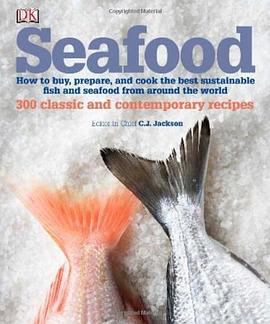
The most comprehensive, fully illustrated cookbook on seafood and freshwater fish available, Seafood features all widely available fish and shellfish, explains how to prepare them, how to use them in recipes inspired by the world's great cooking traditions, and the best way to cook them to bring out their flavor.
No other book photographs as many species of fish, has as many illustrated techniques, or explains as clearly the complex issues of ethical commercial fishing and buying responsibly. With more than 300 recipes and using readily available ingredients and quick, simple methods, Seafood will have a place on the bookshelf of any chef.
Foreword
I have always been completely fascinated by fish and water. A vivid memory as a child is watching the Saturday matinée of the Ernest Hemingway classic The Old Man and the Sea and the battle of an old man trying to land a huge marlin: it remains a favorite movie of mine today.
My family lived an almost self-sufficient lifestyle in Kent, England, and I remember preparing seasonal fruit and vegetables in the kitchen with my Mum, as well as cooking meat and fish. Cooked crab was a particular favorite of mine, which my parents—who enjoyed all things fishy—often served us for dinner. Winkles were a weekend treat and enticing the snail out of the shell and dipping it in vinegar is another treasured early memory.
Childhood holidays were spent on the banks of the River Findhorn on the Moray Firth in Scotland, fishing for salmon and trout. I remember the 30lb salmon we sent for smoking and helping with the cleaning and cooking of other catches. My own first catch was a feisty emerald green eel that kicked up a big fuss and nearly had me in the water! I was less enthused by this (lovely looking, I hasten to add) creature—its strong earthy smell stays with me today.
A career based around food was a natural calling. I trained at the London Le Cordon Bleu school and taught on their courses. French cuisine includes many seafood classics and it was there that I really learnt how to appreciate and cook fish. I always wanted to travel and I spent much time in the 1980s and 1990s globetrotting, which opened my eyes to different cuisines and the seafood they use. But it was at Leith’s School of Food and Wine in London that I became so focused on all types of seafood.Today, as Director of Billingsgate Seafood Training School at Billingsgate Market, the UK's largest inland fish market situated in east London, I learn more about fish every day—and it's all here, in this book.
My passion for fish is based on respect. I find it inspirational and humbling that creatures that live in an environment so different from our own offer us fantastic food. With the vast expanse of the ocean, fish really are the best "free-range" meat. But we must never forget our place. Above all else, we must look out for the well-being of the ocean and its fish. So many people tell me they would love to cook fresh fish but are not sure where to start. I'm convinced this uncertainty stems from the diversity of seafood: if all fish looked like salmon, for example, we'd all be experts at preparing it. Round fish, flat fish, shrimp, squid, clams, crab: they all have particular preparation techniques. But they're worth mastering. Nothing is quite so rewarding as sitting down to a fish so fresh you had to scale and gut it yourself, or producing your first perfectly skinned Dover sole.
Many countries have feasted on the fish in their oceans for hundreds of years, so it's no wonder that seafood recipes are true classics, all made with fantastic ingredients. I've included all my favorites: simple treats, like fisherman's pies and fishcakes, suitable for anything you might find at the fish market; sushi, so exquisite and delicate but demanding of the freshest fish; the incomparable fish soups for which so many countries are renowned; and old-fashioned hits like traditional poached salmon and the very best shrimp cocktail you'll ever eat. There's a recipe for most fish families and all recipes list alternative fish that work just as well. One important note: it is essential to try to choose responsibly sourced fish where possible—we can all make a difference to the long-term survival of our oceans. If you want to identify something obscure, find the best way to cook a particular fish, or discover sustainable alternatives for over-fished, but well-loved, varieties, turn to the Fish gallery for the perfect "dip-into" resource. It starts with round fish and flat fish before listing the world's seafood.
The fish world is changing and we now face more issues of sustainability and the responsible sourcing of what we eat. But this just offers us new challenges and opportunities: this is the perfect time to discover a new species and also to support your local fishery—if you are lucky enough to live near a harbor.
I hope that this book inspires you to seek out sustainable seafood and eat more of it. The fish in our oceans are a resource we must treasure and we have a responsibility to make sure they are still swimming—in all their variety—for future generations to enjoy.
C.J. Jackson
作者简介
目录信息
Sustainable fish—what’s the story? 8
Recipes
Recipe choosers 14
Starters and light bites 26
Soups 82
Paella, pasta, and risotto 100
Pies, tarts, and bakes 114
One pot 128
Curry 148
Pan-fried and deep-fried 164
Baked and roasted 192
Poached and steamed 216
Broiled and grilled 232
Techniques
Tools 254
Choosing and storing 256
Cuts of a large round fish 258
Cuts of a large flat fish 260
Portions of a cooked crab 262
Preparing round fish 264
Preparing flat fish 272
Preparing shellfish 278
Sushi techniques 292
Preserving 296
Cooking 298
Fish gallery
Round fish 314
Flat fish 360
Shellfish 366
Preserved fish 384
Fish roe 390
Index 392
Acknowledgments 400
· · · · · · (收起)
读后感
用户评价
拿到这本书时,我本来是想找本能快速翻阅、了解点基础知识的入门读物,结果发现自己被卷入了一场跨越地域和文化的盛大“风暴”。这本书的结构非常精妙,它不像传统的美食书籍那样按照菜系或食材分类,而是采用了更加线性的、类似于历史编年史的叙事方式。我尤其欣赏作者在处理文化差异时的那种细腻和尊重。比如,书中花了相当大的篇幅对比了北欧腌制技术和东南亚发酵艺术的异同,这种对比不是简单的罗列事实,而是深挖了它们背后所承载的气候条件、社会需求和宗教信仰。有那么一瞬,我甚至觉得我不是在读一本关于食物的书,而是在读一部关于人类适应性与创造力的史诗。阅读过程中,我多次拿出手机去查证书里提到的那些古老的海图和工具的现代用途,每一次查证都让我对作者的考据能力更加叹服。这本书的文字流畅、情感充沛,绝非那种干巴巴的“百科全书”风格,它成功地将科学的严谨性、历史的厚重感和美食的诱惑力完美地融合在了一起,读完后意犹未尽,感觉自己对餐桌上的每一道菜都多了一层敬畏之心。
评分说实话,我很少给一本非虚构类书籍打这么高的分,但这本绝对是例外。它的可读性极强,即使你对海洋生物学一窍不通,也能被作者清晰且充满激情的笔触所吸引。这本书最让我拍案叫绝的地方在于,它完全没有陷入那种“歌颂自然之美”的俗套。相反,作者非常坦诚地揭示了现代工业化捕捞背后的残酷和不人道。他没有用激烈的语言进行道德审判,而是用冷静的统计数据和令人心碎的个人访谈,构建了一个无法辩驳的论证链条。我记得其中一段描述了一个船队在深海使用网具的场景,那种对海洋深处的掠夺感,那种对生态平衡的漠视,读起来让人脊背发凉。然而,在揭露问题的同时,作者也呈现了许多充满希望的解决方案,比如可持续渔业的新模式,以及新兴的替代蛋白研究。这本书像一面镜子,既照出了我们行为的阴影,也指引着前方的微光,它不仅仅是信息量的传递,更是一次深刻的伦理反思之旅。
评分我是一个追求实用信息的人,坦白说,我最初拿起这本书,是冲着它名字里暗示的某种“生活指南”的潜力去的。结果发现,它远超出了任何一本操作手册的范畴。这本书的叙述风格极其个人化,它更像是作者在探索世界过程中的一份私密日记,充满了真诚的困惑和偶尔的顿悟。他并不把自己放在一个无所不知的权威位置上,而是以一个充满好奇心的学徒的身份,去请教那些真正的行家——从日本筑地市场里起早贪黑的鱼贩,到太平洋深处的原住民长老。这些鲜活的对话片段,让整本书充满了烟火气和人情味。我尤其欣赏作者在探讨“新鲜度”这个概念时所展现的哲学思辨,他探讨了在现代物流体系下,“新鲜”的定义是如何被商业化重塑的,以及这种重塑对食物本质的伤害。这本书不仅让你知道“吃什么”,更让你思考“如何吃”以及“为什么要以这样的方式吃”。它成功地将一个看似日常的主题,提升到了关乎文化传承和个人价值观的高度,读起来酣畅淋漓,让人久久不能忘怀。
评分这本书的魅力在于它的“全景展示”,仿佛作者架设了一台时间穿梭机,带领我们穿梭于不同的历史时期和地理坐标。我最喜欢的部分是那些关于“失落的美味”的章节。作者费尽心力搜寻并复原了那些因为环境变迁或人为遗忘而几乎从餐桌上消失的古老食材的烹饪方法。他不仅仅是复制食谱,更是尝试重现当时的社会环境——使用的燃料、配套的餐具,甚至是当时的社交礼仪。这种沉浸式的体验,让我感觉自己真的参与了一场跨越千年的味觉考古。阅读过程中,我的思维路径不断被拓宽,从对食材的认知,延伸到对农业、贸易路线乃至地缘政治的理解。书中的插图和手绘图也功不可没,它们不是那种廉价的填充物,而是与文字紧密结合,精准地还原了复杂的捕捞工具和令人惊叹的海洋生物形态。这本书的叙事节奏把握得非常好,有高潮迭起的紧张感,也有平静的沉思时刻,读完后感觉知识的版图被极大地拓展了,非常满足。
评分这本书简直是本时间黑洞,我一头栽进去就出不来了。说实话,一开始我对这种名字听起来有点学术又有点平铺直叙的书没什么期待,但它完全颠覆了我的认知。作者的叙事功力简直是炉火纯青,他没有采用那种教科书式的枯燥叙述,而是像一个经验丰富的老渔夫在跟你娓娓道来他一生的传奇。我特别喜欢他对“变化”的描绘。书中不仅仅是记录了不同海域的鱼类和捕捞技术,更深入地探讨了气候变暖对海洋生态链的微妙影响,以及这种变化如何反过来塑造了人类的饮食习惯和经济结构。比如,有一章专门讲了过去五十年里某个特定物种的迁徙模式,配上那些详实的图表和引人入胜的田野调查笔记,我感觉自己仿佛也站在了冰冷的海风里,亲眼目睹了这一切的发生。读到某些关于传统渔村衰落的部分时,那种历史的厚重感和物是人非的沧桑感扑面而来,让人忍不住停下来思考我们与自然界之间那种复杂而脆弱的联系。这本书的优点在于它提供了一个宏大的视角,让你在关注眼前美味的寿司或烤鱼时,能联想到它背后那片广阔海洋的脉搏,那种深度和广度是其他同类书籍难以企及的。
评分好棒哦!做鱼其实有胡椒海盐柠檬香草和烤箱就够了☑️
评分好棒哦!做鱼其实有胡椒海盐柠檬香草和烤箱就够了☑️
评分好棒哦!做鱼其实有胡椒海盐柠檬香草和烤箱就够了☑️
评分你说老外的食谱写得这么好为什么做饭却这么差?每天逛超市都不知道要做什么吃,天天被气哭
评分好棒哦!做鱼其实有胡椒海盐柠檬香草和烤箱就够了☑️