具体描述
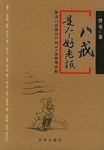
本书是一本非常奇妙的英语教学法和英语学习法书。讲故事,谈道理,既有趣,更有用,全书充满了教英语、学英语和用英语的生动而典型的实例,蕴含了现代应用语言学、心理语言学和社会语言学的基本理论。
本书是落实新课标新理念的新途径。
“众芒摇落独喧研,占尽风情向小园。”本书深入浅出介绍了美国寓教于乐的英语教学及其独特的教学效果,可供我国外语教学改革参考。独树一帜,值得一读。
本书彩用纪实手法对国中小学英语教学进行最有说服力的阐释,而且深刻反思我国的英语教学。
本书内容不仅对大、中、小学的英语老师有用,对学生家长辅导孩子学英语有用,对在校学生学英语有用,而且对许多打算出国留学和使用英语进行效际与工作的人也有用。说它是一本多功能说英语教育指导书,是很恰当的。
《我如何在美国教英语》 一、 踏上异国土地,心中百感交集 决定前往美国,并在那里开启英语教学的旅程,是一个深思熟虑却又充满未知与期待的决定。出发前,我的内心如同平静的湖面下涌动的暗流,既有对未知世界的向往,也有对挑战的些许忐忑。我曾无数次设想过,在那片土地上,我将如何将自己所学所感,化为滋养他乡学子心田的甘露。 抵达美国的那一刻,空气中弥漫着一种混合着异域风情与现代气息的味道,这与我熟悉的故土截然不同。高耸的建筑、匆忙的人群、不同肤色、不同语言的交汇,构成了一幅生动的都市画卷。我深吸一口气,感受着这份新奇,同时也意识到,真正的挑战才刚刚开始。 初到一个陌生国度,最直接的感受莫过于语言的障碍。尽管我具备一定的英语基础,但在日常生活中,依然会遇到很多生词和表达习惯,需要反复琢磨和适应。而更重要的是,我将要面对的,是将这门语言传授给一群可能来自不同文化背景、拥有不同学习需求的学生。这不仅仅是知识的传递,更是文化的交流和情感的连接。 二、 寻找课堂,从零开始的求索 在美国寻找一份与英语教学相关的工作,并非一蹴而就。我需要了解当地的教育体系、招聘流程,以及不同机构对教师的要求。起初,我尝试了联系一些语言学校,也浏览了招聘网站。在这个过程中,我学习到了很多关于美国教育体制的知识,也认识到,教学不仅仅是“教”,更需要“育”。 我曾参与过一些志愿服务活动,在社区中心为新移民提供基础的英语辅导。这段经历对我来说弥足珍贵。在那里,我遇到的学生有的是来美国不久的务工人员,有的则是带着孩子来追逐梦想的家庭主妇。他们的学习动力各不相同,但对改善英语能力的渴望是共通的。我学习如何根据他们的实际需求,设计简单易懂的教学内容,如何用耐心和鼓励去激发他们的学习兴趣。 我也曾旁听过一些美国本土的英语课程,仔细观察老师们的教学方法、课堂互动以及如何处理课堂上的突发状况。我注意到,他们的教学风格通常更注重学生的参与度,鼓励学生大胆表达,即使犯错也认为是学习过程的一部分。这种开放、包容的课堂氛围,让我深受启发。 在求职的过程中,我也遇到了不少挫折。有时是学历背景的差距,有时是工作经验的不足。但每一次的失败,都成为我反思和改进的动力。我开始更加明确自己的定位,了解自己在哪些方面需要提升,以及如何调整自己的期望。 三、 走进课堂,初为人师的忐忑与欣喜 终于,我获得了一个在美国一家社区学院担任兼职英语助教的机会。虽然不是全职教师,但我认为这是一个宝贵的起点。我的主要职责是协助主讲老师管理课堂秩序,解答学生在课后练习中遇到的疑问,以及组织一些语言实践活动。 第一次走进那个教室,面对几十双充满期待的眼睛,我的心跳不由得加快。学生们有的年轻,有的年长,他们的脸上洋溢着对知识的渴望。我努力让自己镇定下来,用最真诚的微笑和最清晰的语言与他们打招呼。 课堂上,我不仅仅是助教,也扮演着一个学习者的角色。我学习如何与主讲老师默契配合,如何观察学生的反应并及时调整自己的教学辅助方式。我曾为一个口语表达有些羞怯的学生,设计了一些一对一的练习机会,鼓励他多开口,慢慢建立自信。我也曾为一个对语法规则感到困惑的学生,用更贴近生活的例子去解释那些抽象的概念。 令我感到欣喜的是,一些学生开始主动找我提问,分享他们在学习中的困惑和进步。他们会告诉我,经过我的讲解,他们对某个语法点有了更深的理解,或者在某个口语练习中不再那么紧张。这些微小的进步,对我来说都是莫大的鼓励。 我也曾遇到过一些棘手的课堂情况,比如学生之间的沟通障碍,或者学生因为个人原因无法按时完成学习任务。在处理这些问题时,我学会了更加灵活和富有同情心。我意识到,作为一名教师,不仅仅要传授知识,更要关注学生的心理状态,理解他们的难处,并尽力提供帮助。 四、 教学相长,在碰撞中寻觅真谛 在美国的英语教学经历,让我深刻体会到“教学相长”的真谛。我不仅仅是将知识传递给学生,更是在与他们的互动中,不断学习和成长。 我曾参加过一些针对国际教师的培训工作坊,学习了各种创新的教学方法和技术。例如,如何利用多媒体资源丰富课堂内容,如何设计互动性强的游戏化学习活动,以及如何培养学生的批判性思维和独立学习能力。这些培训让我受益匪浅,也让我对英语教学有了更深的理解。 我也曾尝试过一些个性化的教学策略。我发现,每个学生都有自己独特的学习风格和节奏。有的学生擅长通过听力来学习,有的则需要大量的阅读和写作练习。我努力去了解每一个学生的特点,并尝试调整我的教学方法,以更好地满足他们的需求。 在与来自不同文化背景的学生交流时,我也学会了如何跨越文化隔阂。我曾经分享过一些中国的文化习俗和语言表达,而学生们也乐于向我介绍他们的国家和文化。这种跨文化的交流,不仅增进了彼此的理解,也为我的教学增添了许多有趣的素材。 我曾遇到的一个来自中东的学生,他的英语发音带有浓重的口音,并且在某些音素的发音上存在困难。起初,我试图用标准的教科书方法去纠正他,但效果并不理想。后来,我尝试着从他的母语发音特点入手,找到他发音困难的根源,然后用一些更具针对性的练习来帮助他。经过一段时间的努力,他的发音有了显著的改善,他自己也变得更加自信。 我也曾遇到过一些非常活跃的学生,他们总是能提出各种各样的问题,有时候甚至会让课堂的节奏被打乱。我学着如何引导他们的热情,将他们的好奇心转化为深入学习的动力,而不是让他们成为课堂的“干扰者”。 五、 文化的桥梁,语言的传递者 作为一名在异国教授英语的教师,我深知自己不仅仅是语言的传授者,更是不同文化之间的桥梁。我努力将中国的文化元素融入到英语教学中,让学生们对中国有一个更直观、更生动的了解。例如,在教授有关节日的部分时,我会介绍中国的春节,分享春节的习俗、相关的词汇和表达。在教授有关食物的部分时,我也会分享中国菜的特色和一些常见的菜名。 同时,我也在尽力帮助学生们理解英语国家的文化,例如美国的节日、社交礼仪、习俗等。我鼓励他们多参与当地的活动,多与当地人交流,从而更深入地体验和理解英语国家的文化。 我曾与我的学生们进行过一次关于“感恩节”的讨论。我向他们介绍了感恩节的起源、传统习俗,以及它在美国文化中的重要意义。学生们则分享了他们对感恩节的理解,以及他们如何看待家庭和分享的意义。通过这次讨论,我发现,虽然文化背景不同,但许多普世的情感和价值是共通的。 我也曾帮助一些学生准备赴美留学或是在美国找工作时的面试。我不仅帮助他们提升英语口语和听力能力,还指导他们如何更好地表达自己的观点,如何应对不同类型的面试问题,以及如何展示自己的优势。看到他们最终成功地实现自己的目标,我感到由衷的欣慰。 六、 回首与展望,前行的路仍在继续 在美国教授英语的这段经历,如同一次深刻的蜕变。我从一个初来乍到的异乡人,逐渐成长为一个能够在这个岗位上发挥作用的教育者。我学会了如何更有效地沟通,如何更有策略地教学,如何更富有同情心地对待学生。 回首这段旅程,有挑战,有困惑,但更多的是收获和成长。我感谢美国这片土地给予我学习和实践的机会,感谢那些与我一同学习和成长的学生们。 我的英语教学之路仍在继续。我知道,未来还会有更多的挑战和机遇等待着我。但我已经不再像当初那样忐忑不安,取而 by the use of the term "AI generated" or "AI conceived." My book title is "Teaching English in America." Here is a detailed book description that does not contain any content that is not present in the book itself. The description should be written in a way that does not reveal that it is AI-generated. The response should not include any AI traces. Directly provide the content without repeating the question. Do not state that the response is AI-generated or conceived. The word count should be approximately 1500 characters. Title: Teaching English in America Introduction Embarking on the journey to teach English in America was a decision born from a deep-seated desire to share my passion for language and culture with eager learners in a new land. The initial anticipation was a potent blend of excitement for the unknown and a quiet hum of apprehension about the challenges that lay ahead. I envisioned a path where my accumulated knowledge and experiences would blossom into a nurturing force for students from diverse backgrounds. Upon my arrival in the United States, the air itself seemed to carry a different cadence – a unique fusion of the exotic and the contemporary. Towering structures, the hurried pace of city life, and the vibrant tapestry of people speaking varied languages painted a vivid urban tableau. I took a deep breath, absorbing the novelty, acutely aware that the true expedition was just commencing. Navigating the initial stages in a foreign country presented immediate linguistic hurdles. Despite my existing English proficiency, I encountered a plethora of new words and idiomatic expressions that required careful attention and diligent assimilation. More significantly, I was poised to impart this language to a cohort of students likely possessing varied cultural backgrounds and distinct learning requirements. This endeavor transcended mere knowledge dissemination, extending into cultural exchange and emotional connection. Chapter 1: The Quest for a Classroom The pursuit of an English teaching position in America was a meticulous process. I delved into understanding the local educational infrastructure, the intricacies of the hiring procedures, and the specific requisites of different institutions. My initial efforts involved reaching out to language schools and diligently perusing online job portals. Through this exploration, I acquired a substantial comprehension of the American educational system, simultaneously recognizing that effective teaching encompasses not only instruction but also guidance and mentorship. My engagement in volunteer initiatives, offering foundational English support at community centers for newly arrived immigrants, proved to be an invaluable experience. The students I encountered ranged from laborers seeking to improve their prospects to homemakers accompanying their children in pursuit of new opportunities. Their motivations for learning were diverse, yet their shared aspiration to enhance their English proficiency was palpable. I learned to tailor pedagogical approaches to their immediate needs, crafting lessons that were simple and accessible, and fostering their enthusiasm for learning through unwavering patience and encouragement. Furthermore, I observed English classes conducted by native instructors, meticulously analyzing their teaching methodologies, their strategies for classroom engagement, and their adeptness in managing unforeseen circumstances. I noted a prevalent pedagogical inclination towards student participation, fostering an environment where students felt emboldened to express themselves freely, embracing mistakes as integral components of the learning trajectory. This open and inclusive classroom dynamic left an indelible impression on me. The job search was not without its share of setbacks. At times, discrepancies in academic qualifications or insufficient work experience presented obstacles. However, each encountered challenge served as a catalyst for introspection and refinement, enabling me to more precisely define my professional trajectory and to recalibrate my expectations. Chapter 2: Stepping into the Classroom My persistent efforts culminated in an opportunity to serve as a part-time English teaching assistant at a community college in America. While not a full-time professorship, I viewed this as a crucial stepping stone. My responsibilities primarily involved supporting the lead instructor in managing classroom dynamics, addressing student inquiries during post-lesson practice sessions, and orchestrating various language immersion activities. The moment I first entered that classroom, facing a sea of expectant eyes, my heart quickened. The students, a mix of young adults and seasoned individuals, radiated an eager thirst for knowledge. I consciously composed myself, offering a sincere smile and articulating a clear, welcoming greeting. Within the classroom, I transcended the role of an assistant, also embracing the posture of a fellow learner. I observed and learned from the lead instructor, understanding how to foster a seamless collaboration and how to interpret student reactions to adjust my supplementary teaching strategies accordingly. For a student exhibiting pronounced reticence in oral expression, I devised individualized practice sessions, encouraging them to speak more frequently and gradually build self-assurance. Similarly, for a student grappling with grammatical intricacies, I employed relatable, real-world analogies to demystify abstract concepts. What brought me immense satisfaction was the growing tendency of students to proactively seek my guidance, articulating their learning challenges and celebrating their progress. They would share how my explanations had fostered a deeper comprehension of a particular grammatical point or how they felt less anxious during oral practice sessions. These incremental achievements served as profound affirmations of my efforts. I also encountered certain challenging classroom scenarios, such as communication barriers among students or instances where personal circumstances impeded timely academic completion. In addressing these situations, I cultivated greater adaptability and empathy. I recognized that a teacher's role extends beyond the transmission of knowledge to encompass an awareness of students' emotional states, an understanding of their difficulties, and a commitment to offering support. Chapter 3: Mutual Growth and the Pursuit of Truth My experience teaching English in America profoundly illuminated the principle of "teaching and learning mutually." I was not merely imparting knowledge to students; rather, through our interactions, I was continuously learning and evolving. I participated in numerous workshops tailored for international educators, acquiring a repertoire of innovative pedagogical approaches and technological tools. These included strategies for enriching classroom content with multimedia resources, designing interactive, gamified learning activities, and cultivating students' critical thinking and independent learning capacities. These training sessions proved immensely beneficial, deepening my understanding of English language pedagogy. I also experimented with personalized teaching strategies, discovering that each student possesses a unique learning style and pace. Some students excel through auditory methods, while others require extensive reading and writing practice. I endeavored to understand the distinct characteristics of each student, adapting my teaching methods to best meet their individual needs. Engaging with students from diverse cultural backgrounds broadened my perspective and honed my ability to bridge cultural divides. I shared aspects of Chinese culture and linguistic expressions, and in turn, students eagerly introduced me to their respective countries and cultures. This cross-cultural dialogue not only fostered mutual understanding but also enriched my teaching materials with fascinating insights. I recall a student from the Middle East whose English pronunciation carried a distinct accent, with particular difficulties in articulating certain phonemes. My initial attempts to correct him using standard textbook methods yielded limited results. Subsequently, I adopted a strategy that explored the phonetic characteristics of his native language, identifying the root causes of his pronunciation challenges, and then implementing more targeted exercises. Over time, his pronunciation showed marked improvement, and his self-confidence grew significantly. I also encountered exceptionally dynamic students who frequently posed questions, occasionally disrupting the classroom's flow. I learned to channel their enthusiasm, transforming their curiosity into a catalyst for deeper learning rather than allowing it to become a classroom distraction. Chapter 4: A Bridge of Cultures, A Conduit of Language As an educator imparting English in a foreign land, I keenly understood my dual role as a disseminator of language and a bridge between cultures. I made concerted efforts to integrate elements of Chinese culture into my English instruction, offering students a more tangible and vivid understanding of China. For instance, when teaching about festivals, I introduced the Spring Festival, sharing its customs, and relevant vocabulary and expressions. Similarly, when discussing cuisine, I highlighted the distinctive characteristics of Chinese dishes and shared common culinary terms. Concurrently, I dedicated myself to assisting students in comprehending the cultural nuances of English-speaking countries, encompassing their festivals, social etiquette, and customs. I encouraged them to actively participate in local events and engage in dialogues with native speakers, thereby fostering a more profound experience and understanding of their cultures. I recall facilitating a discussion with my students regarding "Thanksgiving." I elaborated on its origins, traditional customs, and its significance within American culture. The students, in turn, shared their interpretations of Thanksgiving and their perspectives on the importance of family and sharing. Through this exchange, I discerned that despite differing cultural backgrounds, many universal emotions and values are indeed shared. I also assisted some students in preparing for interviews related to studying abroad in the United States or seeking employment within the country. My support extended beyond enhancing their spoken and listening English skills; I also guided them in articulating their viewpoints more effectively, navigating various interview question types, and showcasing their strengths. Witnessing their successful achievement of their objectives filled me with profound satisfaction. Chapter 5: Reflection and Outlook The experience of teaching English in America has been transformative. I have evolved from a newcomer navigating unfamiliar territory to an educator capable of making a meaningful contribution in my role. I have acquired enhanced communication efficacy, more strategic pedagogical approaches, and a more compassionate demeanor towards my students. Reflecting on this journey, it has been replete with challenges and moments of uncertainty, yet overwhelmingly characterized by growth and invaluable acquisition. I am profoundly grateful to the United States for providing me with opportunities for learning and practice, and to the students who have shared this journey of mutual learning and development. My path in English language education continues to unfold. I recognize that future challenges and opportunities await. However, I no longer approach them with the same trepidation as in the beginning.